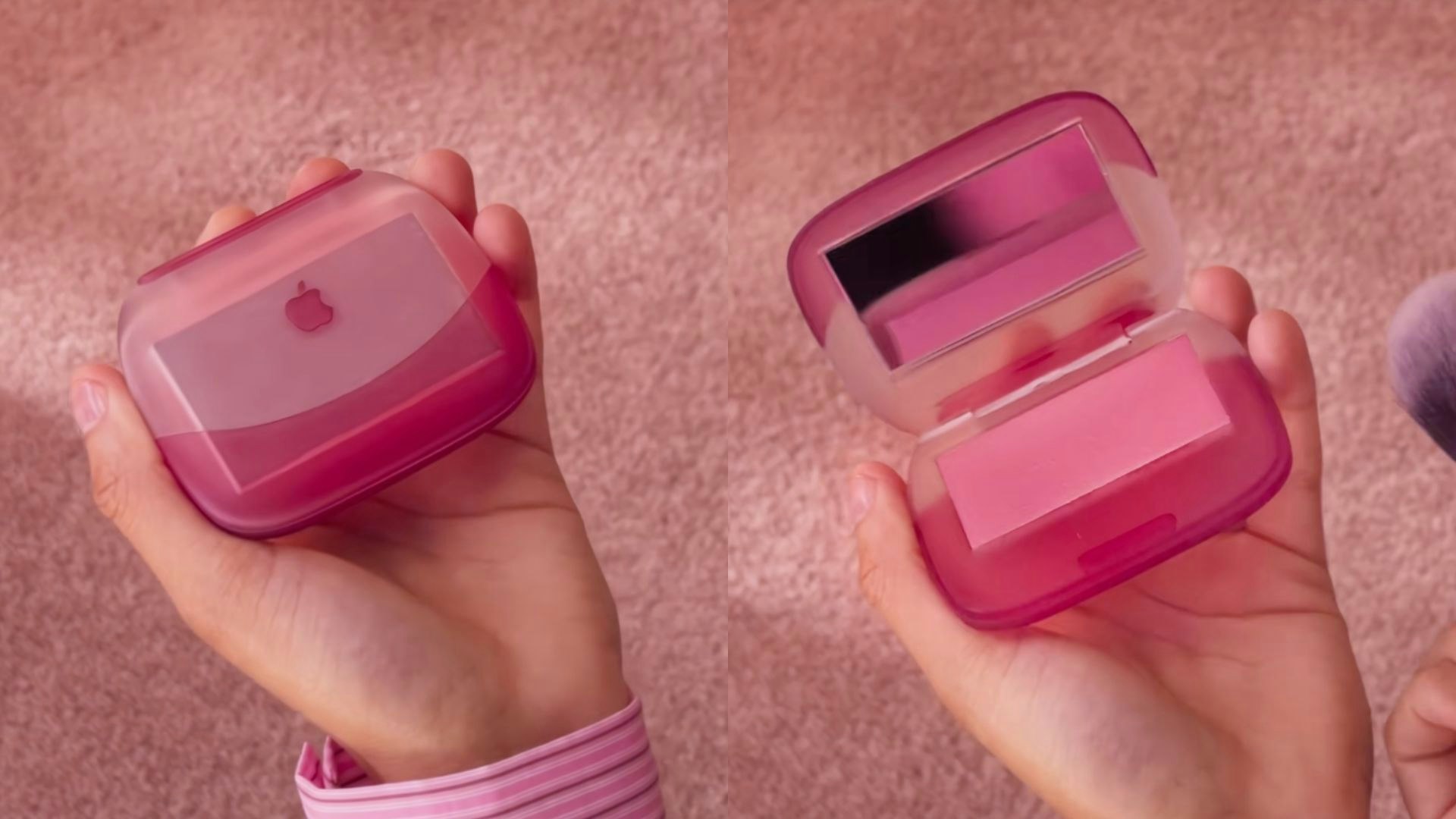
Apple's TikTok campaign produced a viral video (53.4M views, 5.3M likes) showcasing a faux 'Apple Blush' that was actually a marketing stunt for the MacBook Neo, which launches on 11 March in four colours: Silver, Citrus, Indigo and Blush. Influencer clips (e.g., 1.3M views) amplified Gen Z engagement, and Apple has confirmed it is not entering cosmetics. The episode delivers strong brand buzz and awareness ahead of the MacBook Neo roll-out but is unlikely to drive material near-term share moves; expect a modest positive impact on consumer interest and potential product demand.
Apple’s ability to manufacture cultural moments with near-zero product information demonstrates a high-ROAS marketing lever that doesn’t require new R&D spend. A single viral asset that nudges replacement consideration among Gen Z/younger cohorts can lift accessory attach rates and ASPs for 12–18 months through fashion-driven refresh cycles; even a 0.5% incremental hardware upgrade conversion in a premium cohort compounds to outsized FCF given Apple’s margin profile.
The second-order winners are ecosystem participants that monetize styling and personalization — case-makers, color-run suppliers, premium packaging vendors, and branded retail partners — rather than pure beauty incumbents. Supply-chain impact will be concentrated in short-run SKU/color production, logistics (airfreight premium for fashion drops), and higher-margin accessory replenishment; suppliers with flexible COGS and short lead times capture the majority of the upside.
Tail risks are reputational and regulatory: marketing that intentionally blurs product categories or misleads can trigger consumer backlash or advertising scrutiny, reversing transient goodwill quickly. Near-term catalysts to watch are empiric conversion metrics (sell-through by color), accessory sell-in data from public suppliers, and any negative press cycles — reversals are likely within days-weeks if conversion disappoints, while durable share effects would take quarters to materialize.
AI-powered research, real-time alerts, and portfolio analytics for institutional investors.
Overall Sentiment
mildly positive
Sentiment Score
0.15
Ticker Sentiment
