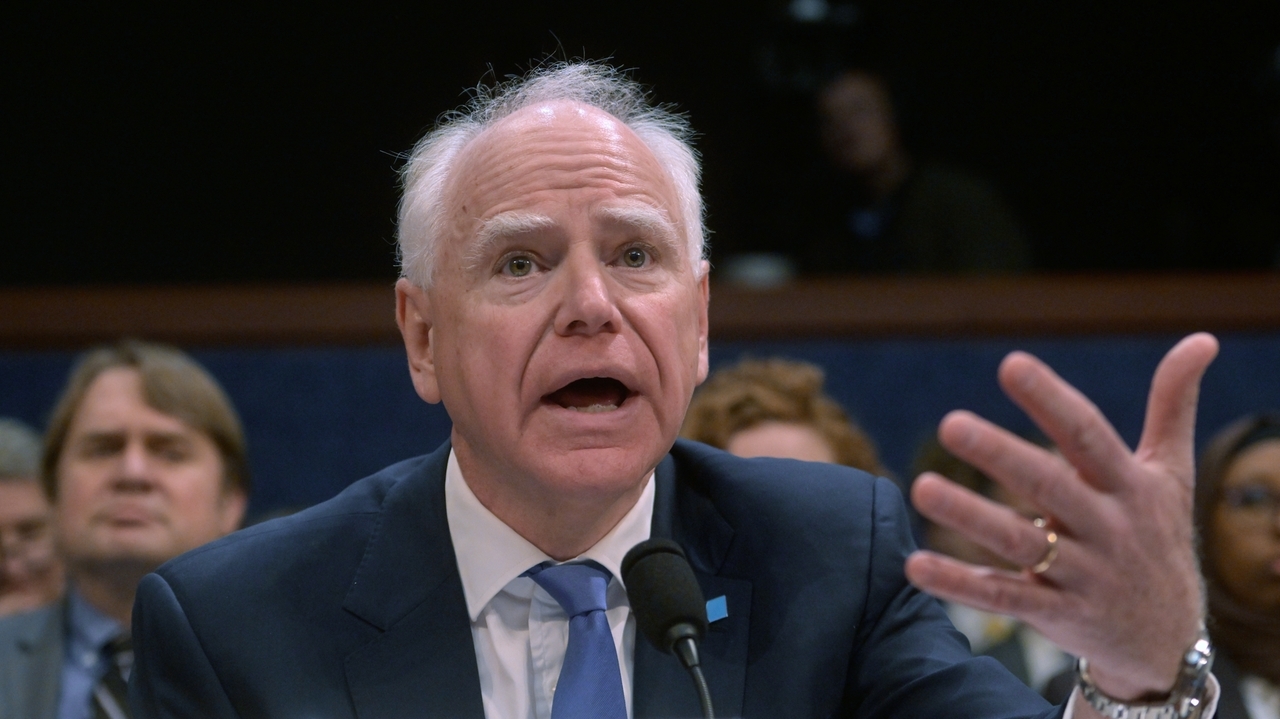
Federal agents executed multiple search warrants in Minnesota in an ongoing fraud probe involving publicly funded social programs, including allegations tied to misuse of U.S. taxpayer dollars. The case comes amid a broader federal-state clash after the Trump administration said it would temporarily halt $243 million in Medicaid funding to Minnesota over fraud concerns. The news is primarily political and legal in nature, with limited direct market impact but potential implications for state healthcare funding and oversight.
The first-order read is regulatory, but the second-order effect is budget reprioritization: heightened fraud enforcement tends to widen the gap between headlines and actual appropriations, which can delay or freeze cash flow to managed-care intermediaries, Medicaid-adjacent service providers, and state contractors that depend on uninterrupted reimbursement cycles. In the near term, the market typically underprices the operational drag from document requests, payment holds, and compliance overhangs, even if no charges land against public companies directly.
The more investable implication is that politically exposed healthcare reimbursement streams become less predictable. If federal scrutiny expands from one program to another, providers with thin margins and high exposure to state-administered benefits face a double hit: slower claims processing and tougher recertification standards. That favors balance-sheet strength and diversified payers over small-cap care operators, especially where working capital needs are already elevated.
This also raises the odds of a broader blue-state/federal budget confrontation over social spending. The consensus may be assuming this remains a localized enforcement story, but the pattern suggests a multi-month escalation risk that can spill into Medicaid, community health, and county-level vendors if investigators seek leverage through funding pressure. The key catalyst is not the warrants themselves; it is whether Washington pairs investigations with temporary funding restrictions, which would translate quickly into earnings and guidance risk for the next two reporting cycles.
Contrarian angle: if the crackdown is mostly theater, the selloff in politically exposed healthcare names could reverse once investors see that actual chargebacks are limited and the state retains legal standing to block funding freezes. That sets up a path for mean reversion after 4-8 weeks, but only if there is no new federal action on reimbursement streams.
AI-powered research, real-time alerts, and portfolio analytics for institutional investors.
Request DemoOverall Sentiment
moderately negative
Sentiment Score
-0.45
