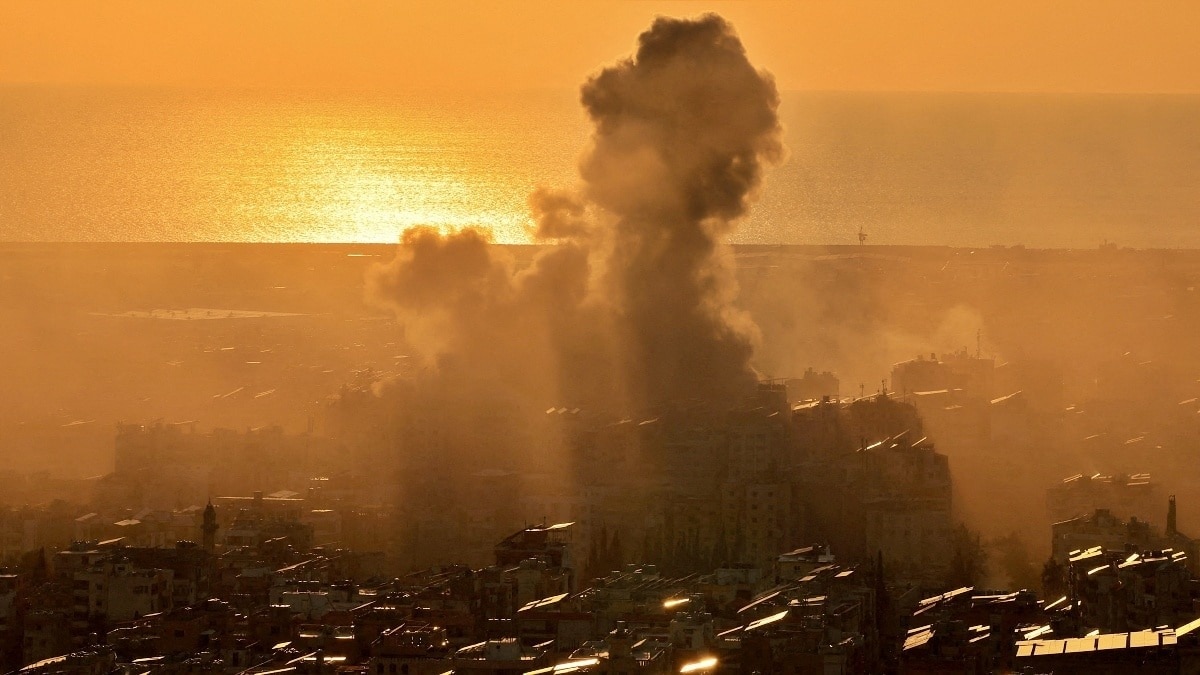
European gas prices jumped up to 35% after strikes on Middle Eastern energy infrastructure, while the US issued a 30-day waiver that could unlock up to 170 million barrels of Iranian oil at sea. Shipping through the Strait of Hormuz effectively halted (no crude tankers transited in 24 hours) and many vessels remain stranded, tightening crude/LNG flows and pressuring supply chains. United Airlines is cutting roughly 5% of planned flights and warned of up to $11bn in additional annual fuel costs if oil stays elevated, underscoring outsized near-term costs for airlines and logistics. Intensifying military action (Israeli strikes, Hezbollah losses, missile/drone activity) raises systemic geopolitical risk and supports a risk-off stance across energy, transport, and regional-exposure assets.
Winners will be those with structural optionality to re-route supply and capture widened differentials: refiners able to switch to heavier/sour barrels and tankers with modern dual-fuel or ice-class flexibility will grab margins as buyers pay up to avoid choke points. Sophisticated trading houses and vessels operating on the spot market (with war-risk certificates) can monetize elevated freight and insurance spreads; traditional balance-sheet constrained importers will be the losers, forced to pay time-charter premia or accept suboptimal crude slates.
Shock transmission is fast but multi-stage: immediate P&L hits for energy-intensive corporates and airlines arrive within weeks via fuel expenses and disrupted logistics, while realignment of long-term trade lanes (and associated capital re-allocation into tankers, storage, and insurance capacity) plays out over quarters. Key catalysts that would reverse the current risk premium are diplomatic corridor creation, coordinated naval escort deployments that lower war-risk premia, or a credible, rapid surge in spare crude/LNG export capacity — any of which could compress spreads within 30–90 days.
The consensus is focused on near-term supply scarcity; it underappreciates countervailing forces — rapid demand displacement (switch to alternative basins, temporary fuel rationing by carriers) and the large shadow fleet that can bridge volumes at much higher marginal cost. That dynamic creates asymmetric trade windows: spikes are sharp and tradable, while mean reversion can be just as fast once insurance and transit confidence return, favoring option structures and time-limited directional bets over naked exposure.
AI-powered research, real-time alerts, and portfolio analytics for institutional investors.
Request DemoOverall Sentiment
strongly negative
Sentiment Score
-0.75
Ticker Sentiment
