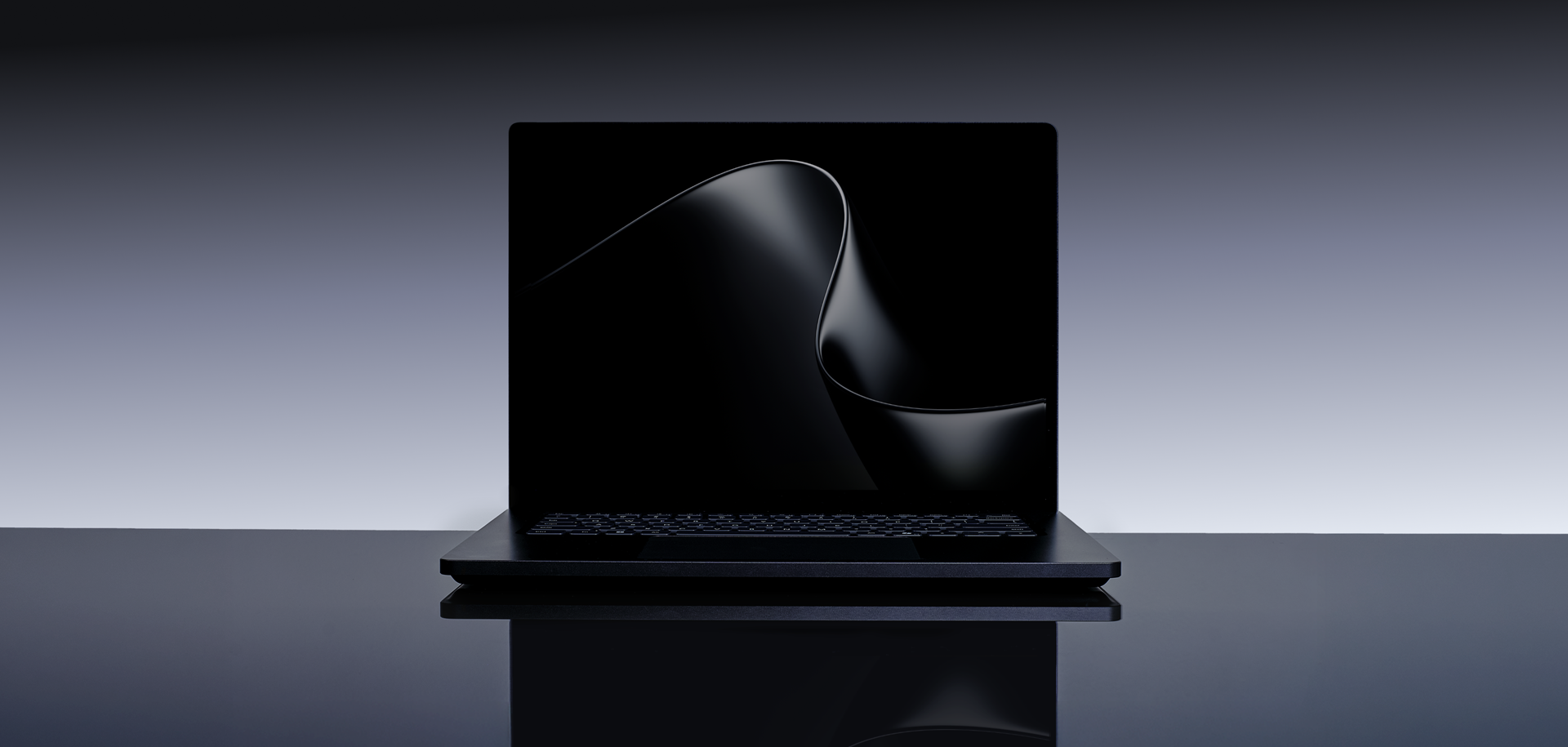
Microsoft introduced Surface Laptop Ultra, its most powerful Surface Laptop to date, featuring an NVIDIA Blackwell RTX GPU, up to 128GB of unified memory, full CUDA support and up to 1 petaflop of AI compute. The device is positioned for AI builders, creators and developers, with support for up to 120B-parameter models locally and all-day battery life. It is a product-launch and positioning update rather than a financial disclosure, so near-term market impact should be limited.
This launch is less about one premium PC SKU and more about Microsoft trying to reframe Windows as the default local inference workstation. If the product performs even close to spec, it shifts spend away from cloud GPU rentals for a meaningful slice of developers and creators, which is incrementally negative for the “all AI workloads must live in datacenters” narrative and positive for edge tooling, model-optimization software, and enterprise endpoint refresh cycles. The strategic beneficiary is Microsoft’s ecosystem lock-in: higher-margin hardware is the wedge, but the real economics come from pulling AI-native workflows deeper into Windows, Visual Studio, and Copilot-adjacent usage.
For NVIDIA, the near-term read is positive but nuanced. This is another proof point that Blackwell-class silicon has become a platform rather than a datacenter-only product, extending the addressable market into premium client devices and creating a halo effect for NVIDIA’s full-stack AI positioning. The second-order effect is that each successful local-AI laptop becomes a small advertisement for NVIDIA software compatibility and CUDA stickiness, which can support enterprise adoption of NVIDIA-based developer stacks; the downside is that if local inference becomes “good enough,” some marginal cloud AI spend gets displaced over the next 12-24 months.
The key risk is that the launch is more symbolic than scalable. Ultra-premium AI laptops can generate press and ASP uplift, but volume adoption depends on battery/thermal tradeoffs, real-world app support, and whether developers actually value local 120B-class inference versus cloud workflows. If early reviews highlight driver friction, noisy performance throttling, or poor software utilization, the stock impact could fade within days even if the product roadmap remains intact; if enterprise IT pilots roll in, the catalyst extends over quarters rather than weeks.
AI-powered research, real-time alerts, and portfolio analytics for institutional investors.
Request DemoOverall Sentiment
moderately positive
Sentiment Score
0.55
Ticker Sentiment
Consensus is probably underestimating the endpoint refresh implication. The bigger trade is not ‘AI PCs’ as a consumer category, but a slow re-pricing of workstation demand as AI-capable endpoints become mandatory for dev, design, and content teams. That favors Microsoft more than NVIDIA on a 12-month view because Microsoft monetizes the platform, software, and ecosystem, while NVIDIA captures hardware/attach but faces normalization risk once local AI becomes standardized rather than novel.
