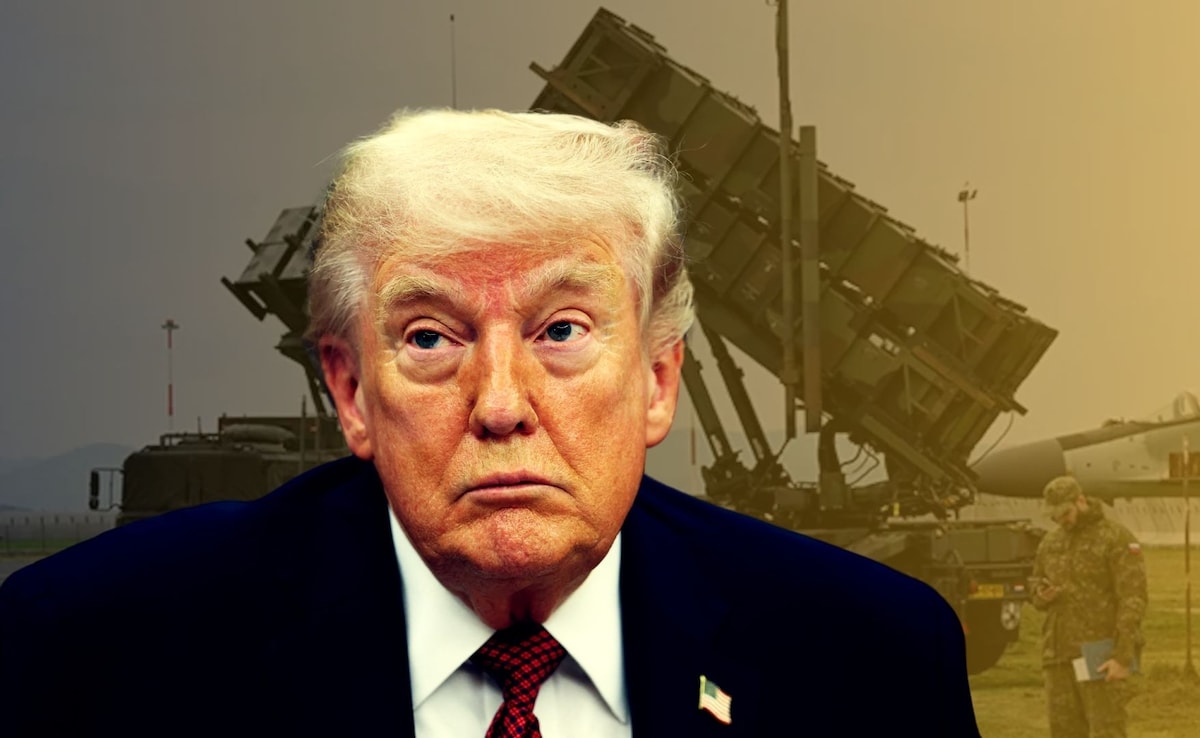
The Trump administration says the US is not at war with Iran and argues that a ceasefire pauses the 60-day War Powers deadline for congressional authorization, which falls on May 1. House Speaker Mike Johnson and Defense Secretary Pete Hegseth both downplayed an active military conflict, while Democrats said the administration may already be on shaky legal ground. The ongoing Middle East standoff has lifted oil prices to historic highs and is creating a direct constitutional clash between the White House and Congress.
The market implication is not the legal argument itself, but the incentive structure it creates: if the White House can redefine the clock as paused, the probability distribution shifts from a hard de-escalation date to a rolling, negotiable conflict. That removes a near-term catalyst for risk normalization and keeps a geopolitical volatility premium embedded in energy, defense, and rates vol for at least the next 2-6 weeks. The first-order price move in crude is already obvious; the second-order risk is that elevated oil acts like a tax on cyclicals and discretionary demand just as earnings guidance season begins.
The more interesting setup is in event risk asymmetry. A ceasefire label reduces the odds of immediate retaliation, but it increases the odds of policy drift: sporadic strikes, sanctions tightening, or maritime disruptions can now occur without the discipline of a clearly declared campaign, making headline risk more persistent and harder to hedge with simple duration trades. That favors volatility expressions over outright directional macro bets, because the market can fade de-escalation headlines yet still pay up for tail protection if shipping lanes or regional bases are hit again.
Consensus appears to be underestimating how this bleeds into domestic politics. If Congress is forced into an authorization fight while gasoline and freight costs remain elevated, the administration has a strong incentive to preserve ambiguity, which extends the window for energy inflation and keeps rate-cut expectations capped. The contrarian angle is that the legal standoff may ultimately slow escalation rather than accelerate it: once the White House needs to defend the action in public and on the Hill, incremental military moves become more costly, so the downside tail in oil is still meaningful if there is no fresh kinetic event over the next 1-2 weeks.
AI-powered research, real-time alerts, and portfolio analytics for institutional investors.
Request DemoOverall Sentiment
moderately negative
Sentiment Score
-0.35
