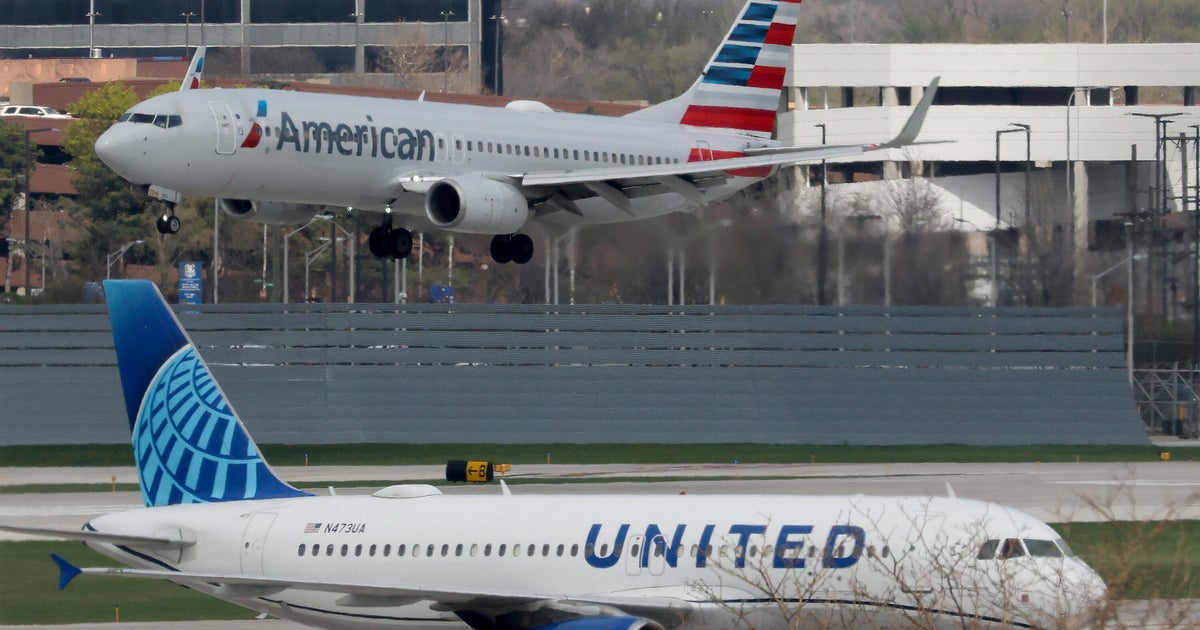
Two U.S. senators warned that a potential United Airlines-American Airlines merger could reduce competition, lift ticket prices and fees, and weaken smaller carriers' access to gates. The letter also flagged possible downward pressure on airline worker wages and requested a response by May 3 on whether merger talks have occurred. The article adds regulatory and political scrutiny to a potential major airline tie-up, though no deal has been announced.
The near-term market impact is less about the probability of consummation and more about the process risk premium now being attached to both balance sheets. Even a low-probability merger push can keep UAL and AAL under a regulatory cloud for months, which matters because airline equities tend to re-rate on narrative shifts faster than fundamentals. The first-order loser is not just the pair itself, but any potential acquirer of domestic aviation assets: gate-constrained airports, regional feeders, and lessors could see a temporary bid for scarcity, while investors discount future capacity discipline across the sector.
Second-order effects likely show up in pricing behavior before any formal deal review. Management teams at other carriers may preemptively avoid aggressive capacity expansion to reduce antitrust optics, which can support industry yields even if the transaction never advances. That creates a subtle bull case for higher-quality operators with stronger network positions and better cost control, because a reduced willingness to fight on fares often shows up in a more rational pricing environment over the next 1-2 quarters.
The contrarian read is that the market may be overestimating the merger threat relative to the actual leverage of political opposition. A high-profile public letter is more useful as a signaling device than a blocker, and the bigger catalyst could be the administration’s stance rather than Senate pressure. If officials quietly discourage the idea, the overhang could fade quickly; if not, expect a longer 3-6 month multiple compression period as legal and labor objections accumulate. For labor, the wage concern is real, but the more immediate investor risk is bargaining friction and higher disruption probability, not a clean reduction in wage bills.
AI-powered research, real-time alerts, and portfolio analytics for institutional investors.
Request DemoOverall Sentiment
mildly negative
Sentiment Score
-0.35
Ticker Sentiment
