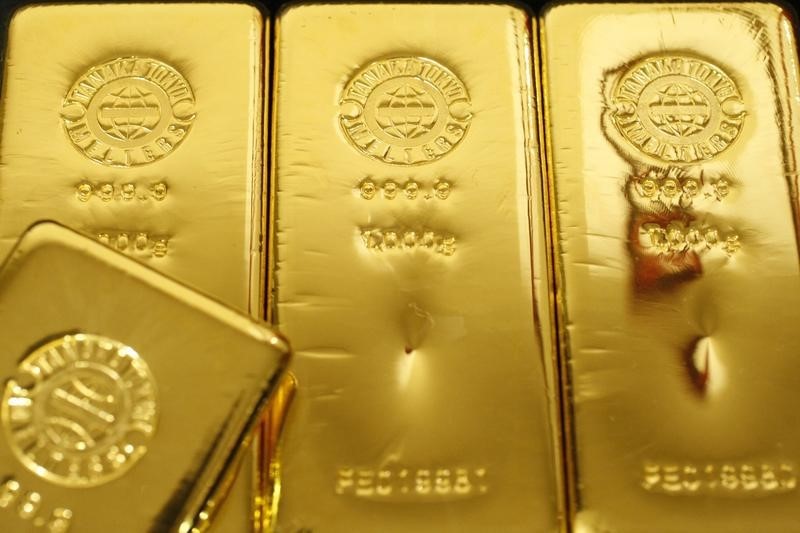
Spot gold traded up 0.1% to $4,657/oz (futures $4,658.41/oz) but is down roughly 8% on the week — its largest weekly drop since early 2020. Oil spiked to near four-year highs after strikes on Middle Eastern energy infrastructure, prompting central banks (RBA hiked; Fed/ECB/SNB/BoJ paused but warned) to flag energy-driven inflation, lowering odds of near-term U.S. rate cuts and lifting the dollar and Treasury yields, creating headwinds for precious and industrial metals.
The most important transmission here is not gold’s headline volatility but a regime shift in real-rate expectations driven by energy-price risk premia. Higher energy-driven inflation increases the probability of central banks pausing cuts and of real yields staying elevated for quarters, which compresses valuations of long-duration assets and raises funding costs for commodity importers. Expect this to re-rate sectors unevenly: commodity producers and inflation-linked instruments pick up cash flows while rate-sensitive growth names see multiple compression unless earnings growth is re-accelerated.
Second-order supply-chain effects favor upstream energy capex and specialist industrial suppliers over refiners or downstream discretionary OEMs. Elevated energy margins pull forward cash for drillers and service companies, creating a 6–18 month window where producers can fund buybacks and capex without accessing expensive capital markets, while logistics insurers and parts suppliers face margin pinch from higher freight and input costs. Currency flows become a critical lever: commodity exporters’ currencies can strengthen, altering cross-border earnings for multinationals and changing hedging P&L for fixed-rate borrowers.
Key catalysts to watch are (1) pace of central-bank tightening rhetoric versus realized CPI prints over the next 3 months; (2) any credible de-escalation that removes the energy risk premium; and (3) physical oil flows and spare-capacity announcements from major producers. Tail risks include a rapid, persistent spike in oil that forces policy tightening (multi-quarter) or an abrupt diplomatic resolution that collapses the risk premium in weeks — both would flip leadership between commodities and duration-sensitive growth rapidly. Use volatility around these events to time entries rather than buy-and-hold exposure.
AI-powered research, real-time alerts, and portfolio analytics for institutional investors.
Request DemoOverall Sentiment
mildly negative
Sentiment Score
-0.30
Ticker Sentiment
