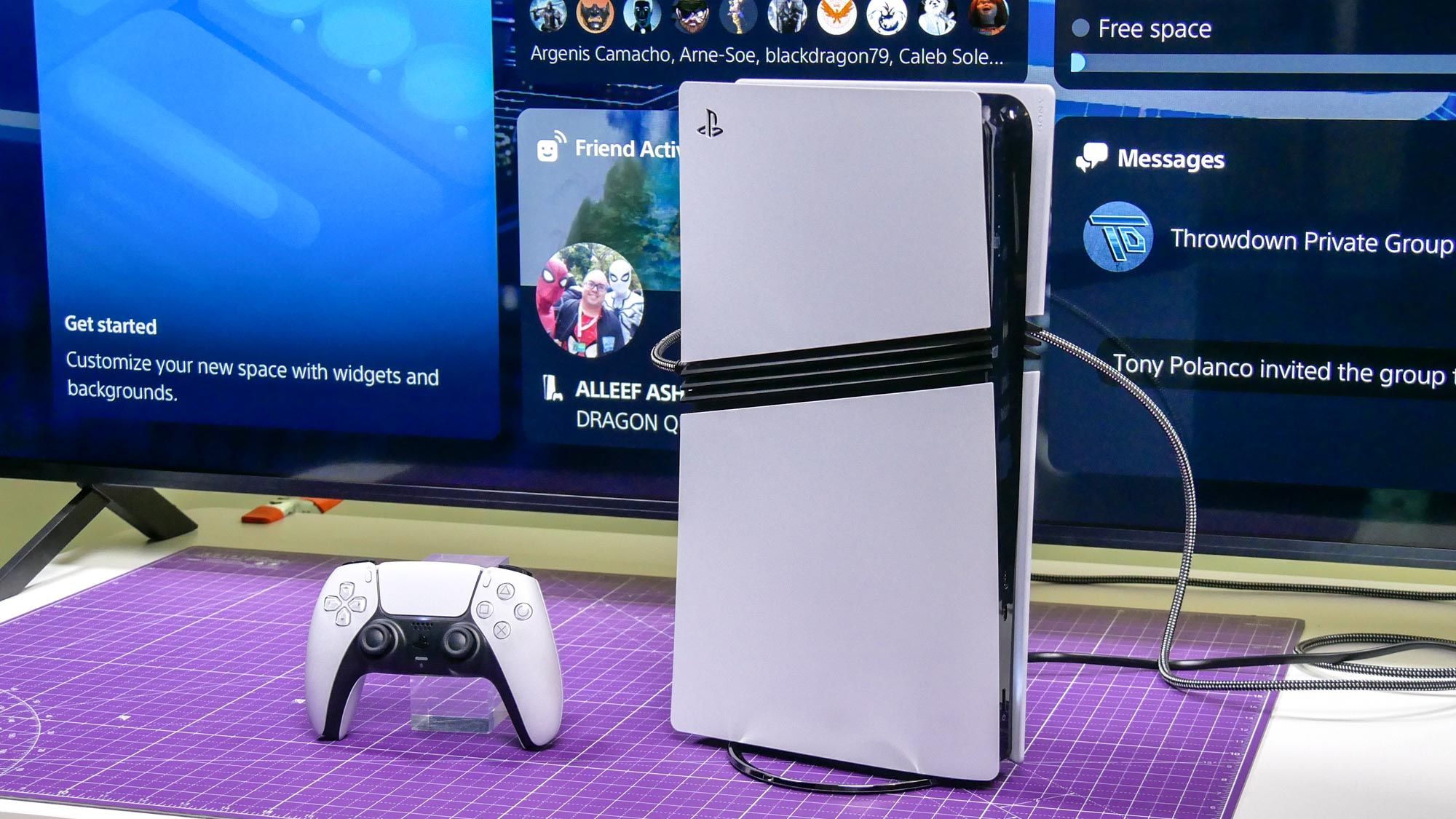
Sony will roll out an upgraded PSSR (PlayStation Spectral Super Resolution) AI upscaling for the PS5 Pro in the coming weeks, enhancing resolution and performance for more than 50 titles; Resident Evil Requiem is the first game to implement the update. The enhancement stems from Sony’s Project Amethyst partnership with AMD (paralleling AMD’s FSR 4 on PC) and will be enabled via a PS5 system software update expected in March, with users able to toggle “Enhance PSSR Image Quality”; the development is positive for Sony and AMD’s ecosystem positioning but unlikely to be materially market-moving on its own.
Market structure: Sony (SONY) is the primary near-term winner — upgraded PSSR increases the value of PS5 Pro as a hardware/software bundle and should lift attach rates and digital spend among owners; AMD benefits as the IP and RDNA back-end both on console and PC (indirectly boosting demand for Radeon-class tech). Losers are mid-cycle PC GPU incumbents who face incremental competition on upscaling (NVIDIA may see feature pressure) and smaller middleware upscalers; pricing power is modestly improved for Sony in a narrow high-end console segment but not across the whole console market.
Risk assessment: Immediate catalyst is a PS5 system update expected in March (days–weeks) with potential measurable bumps in user engagement; short-term (3–6 months) risk is low adoption if PS5 Pro installed base <15% of total PS5 units — if attach rate remains <10% within 90 days the upgrade premium is likely priced out. Tail risks include developer fragmentation raising dev costs, AMD/Sony IP disputes, or a semiconductor supply shock; monitor quarterly console shipments, CapEx from Sony, and AMD wafer allocations (TSMC lead times) as hidden dependencies.
Trade implications: Direct actionable plays are long SONY equity and selective long AMD exposure with concentrated sizing: expect a 3–6 month alpha window tied to the March firmware and spring game releases; consider 3–6 month call-spreads (20%–30% OTM) to limit premium. Pair trade: long AMD vs short a general GPU leader if you expect RF competition for upscaling IP (size 1–2% net); rotate into hardware/interactive media and trim legacy linear media exposure where ad sensitivity persists.
Contrarian: Consensus may over-index to a hardware boost — PS5 Pro installed base is likely small initially (estimate <10% within 6 months), so stock moves could be muted absent sustained sales or recurring software monetization. The PS4 Pro precedent delivered visual halo but limited long-term uplift to Sony’s top line — if developer adoption of upgraded PSSR stalls, the re-rating is at risk. Action threshold: if Resident Evil Requiem sells >1M copies and PS5 Pro attach crosses 20% in 6 months, the bull case escalates; below these numbers, materially downsize tactical longs.
AI-powered research, real-time alerts, and portfolio analytics for institutional investors.
Request DemoOverall Sentiment
mildly positive
Sentiment Score
0.28
Ticker Sentiment
