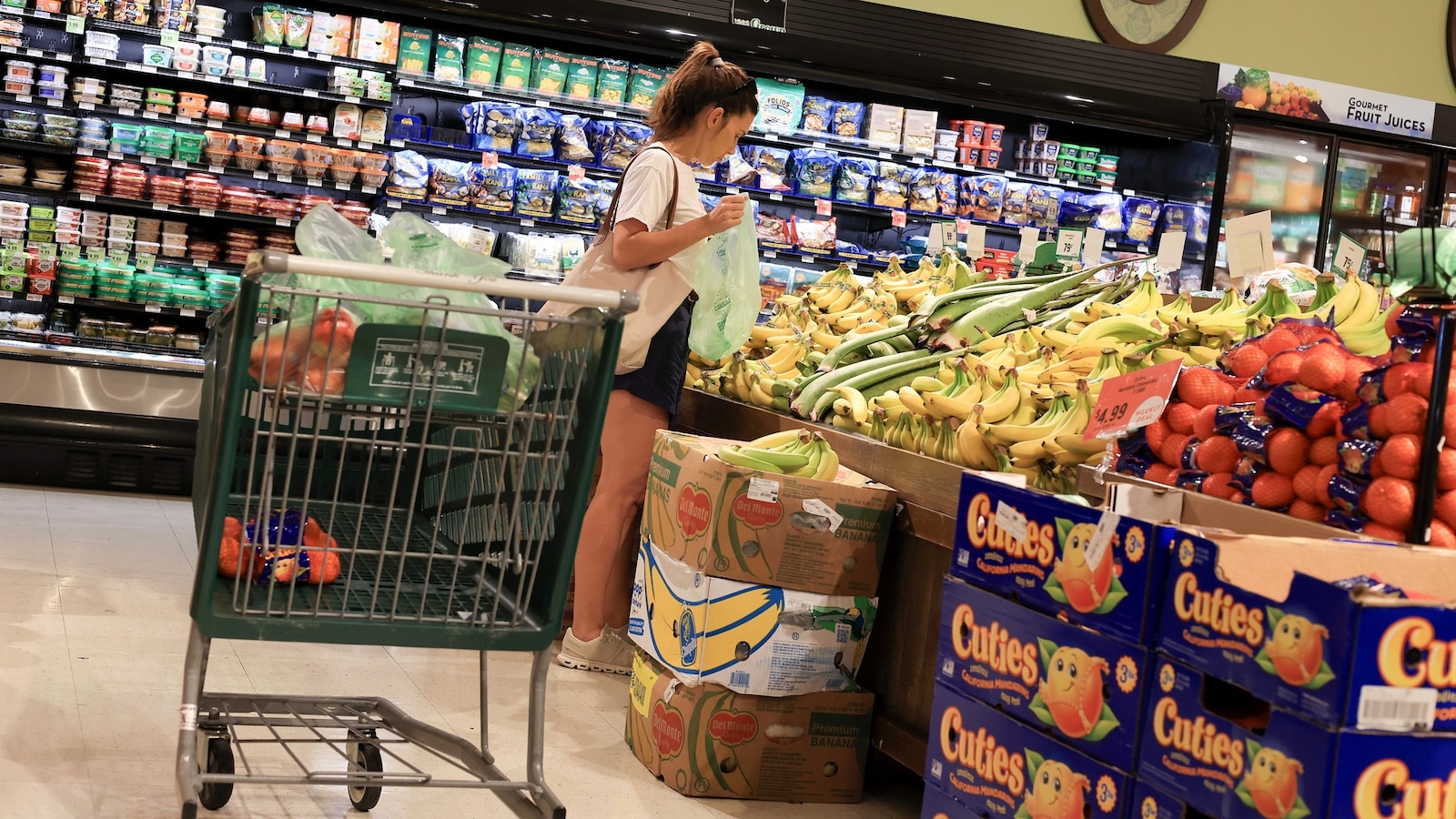
Diesel is averaging $5.09/gal (AAA) after jumping $1.42 or ~38% over the past month, while global crude topped $112/boe—reported as a >60% rise over the month—driven by disruptions around the Strait of Hormuz. Analysts expect transport-driven cost pass-through to retailers to produce modest price increases, most acutely for perishables (fruits, vegetables, fresh meats) given short shelf lives; wholesale fruit/veg costs have already seen large swings (nearly +50% in a recent BLS report). Food CPI rose 3.1% y/y in February, so additional diesel-driven upward pressure risks adding to consumer inflation but is unlikely to recreate the persistent, economy-wide shocks seen in 1970s-era inflation given stronger U.S. domestic oil production and broader economic resilience.
The diesel shock functions as a short, sharp supply-chain wedge: spot fuel moves transmit to wholesale and then retail prices with distinct lags — days for carriers (fuel surcharges), weeks for wholesalers, and 4–12 weeks for shelf prices to reflect higher landed costs, with fresh produce and other perishables the most elastic near-term vectors. That sequencing creates a window where logistics players with limited surcharge pass-through or high spot exposure absorb margin pressure while large shippers/railroads re-price capacity and redeploy volumes.
Second-order dynamics favour modal winners and vertically integrated supply chains. Railroads and cold‑chain operators that can lock long-term contracts or use hedged fuel exposure will see relative margin improvement versus truckload/regionals whose revenues are concentrated in the spot market; grocery firms with deep national procurement (scale, frozen/packaged mixes) will outperform localized fresh-focused independents. Consumer substitution (frozen/processed over fresh) and inventory destocking by retailers could depress produce demand seasonally, amplifying price dispersion across SKUs.
Catalysts to monitor: de‑escalation, coordinated SPR releases or rapid diplomatic corridors could compress diesel prices within 2–6 weeks and reverse the pass-through, while sustained disruption >3 months risks re-anchoring higher near-term inflation and forcing earlier-than-expected Fed hawkishness. Watch three data points as near-term triggers: weekly diesel cracks vs 4‑week moving average (directional), retailer margin calls/earnings cadence over the next two quarters, and freight contract re‑pricing announcements from major shippers — each will materially alter the risk/reward calculus for asset allocation.
AI-powered research, real-time alerts, and portfolio analytics for institutional investors.
Request DemoOverall Sentiment
mildly negative
Sentiment Score
-0.25
Ticker Sentiment
