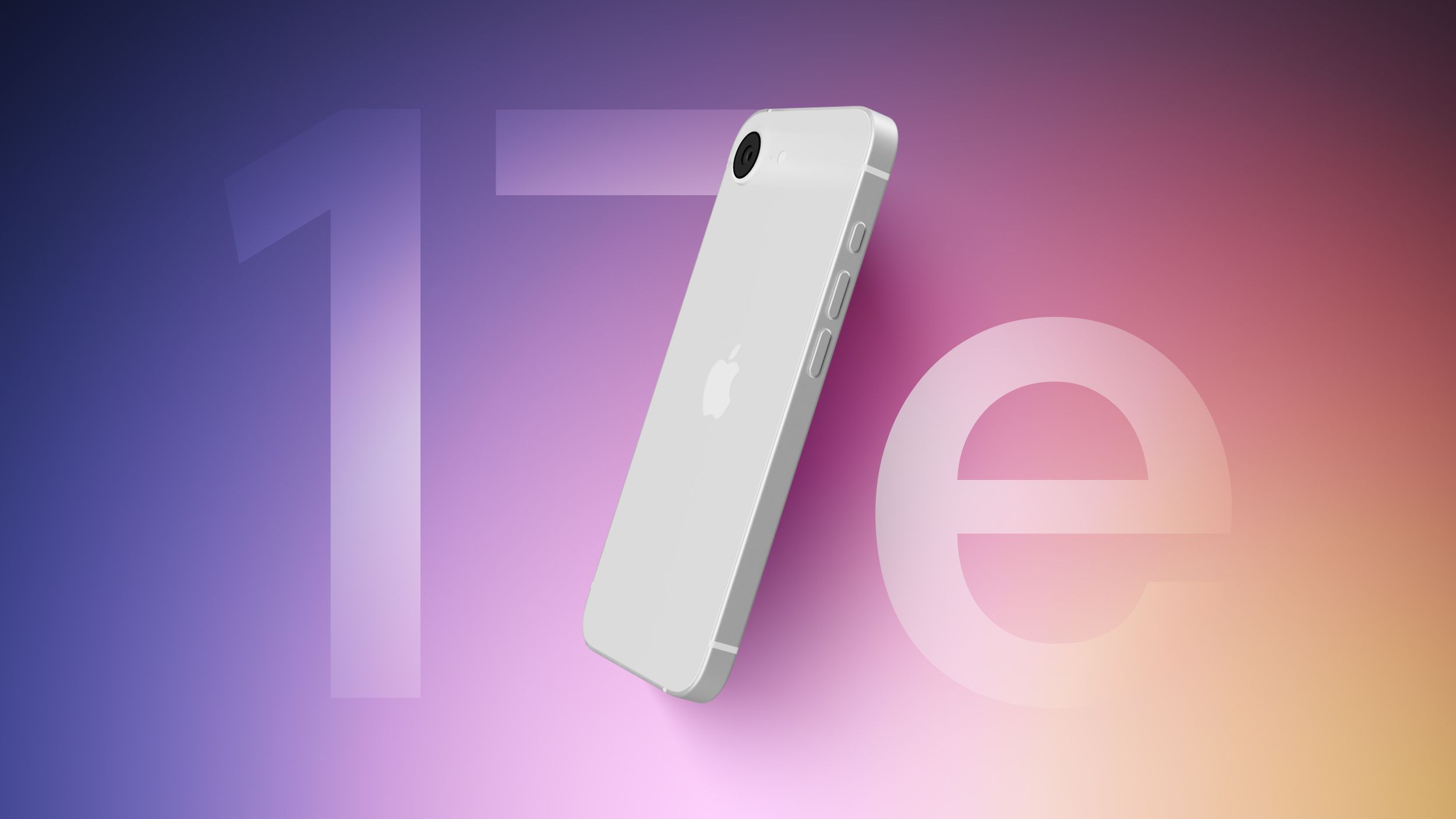
Apple is preparing a modestly upgraded iPhone 17e for a likely press-release launch in Feb–Apr 2026, keeping a $599 entry price consistent with the iPhone 16e. Key rumored changes include an A19 chip on N3P (5–10% CPU improvement vs. A18, possibly downclocked), 8GB RAM, potential Dynamic Island and MagSafe support, a faster C1X modem (up to 2x C1), unchanged single 48MP rear camera and 12MP front camera, and lack of the N1 networking chip. These incremental upgrades and stable pricing imply limited near-term upside for Apple’s unit economics but could sustain consumer interest in the mid-cycle lower-cost model.
Market structure: The iPhone 17e is a defensive, low‑price ($599) refresh that preserves Apple’s share in the mainstream smartphone segment while incrementally expanding the accessory ecosystem (MagSafe) and in‑house silicon footprint (A19/C1X). Direct winners: AAPL (ecosystem, services uplift) and third‑party MagSafe accessory makers; direct losers: Qualcomm’s handset modem revenue (QCOM) and lower‑tier display/PWM suppliers if upgrade cycle is muted. Because Apple holds pricing steady, ASP-driven revenue upside is limited; SKU volume and accessory attach rates will drive near‑term upside (target +1–3% FY revenue sensitivity per 1M incremental units sold). Risk assessment: Tail risks include product quality/hardware battery or antenna issues from A19/C1X (operational) and regulatory scrutiny on Apple’s move away from third‑party modems (antitrust), both capable of shaving multiple percentage points off revenues within a quarter. Time horizons: immediate (days) — prelaunch volatility and implied vol in AAPL options; short (0–3 months) — launch reviews, initial sell‑through; medium (3–12 months) — accessory revenue and modem replacement impact; long (>12 months) — structural shift away from Qualcomm. Hidden dependencies: potential cannibalization of higher‑margin models and slower MagSafe accessory adoption if consumer upgrade intent stays weak. Trade implications: Favor modest long AAPL exposure (conviction from margin of safety in services + ecosystem) and tactically short QCOM exposure as a hedge to Apple’s modem insourcing. Use event‑timed options to express views: buy limited‑risk call spreads into launch and longer‑dated puts on QCOM to reflect multi‑quarter revenue erosion. Sector rotation: overweight consumer electronics/accessory ecosystem names; underweight legacy handset semiconductor suppliers. Contrarian angles: Consensus may understate accessory upside — MagSafe enabling could lift accessory TAM and recurring revenue by more than 1–2% of Apple’s services/adjacent revenue over 12 months. Conversely, short‑term market fear on Qualcomm could be overdone — Qualcomm’s diversification (automotive, RF front end) cushions downside, so prefer defined‑risk bearish option structures rather than naked shorts. Historical parallel: Apple’s gradual modem insourcing (multi‑year) suggests QCOM pain is structural but back‑loaded; trade with 6–12 month horizons and specific sales/ship‑rates triggers.
AI-powered research, real-time alerts, and portfolio analytics for institutional investors.
Request DemoOverall Sentiment
mildly positive
Sentiment Score
0.28
Ticker Sentiment
