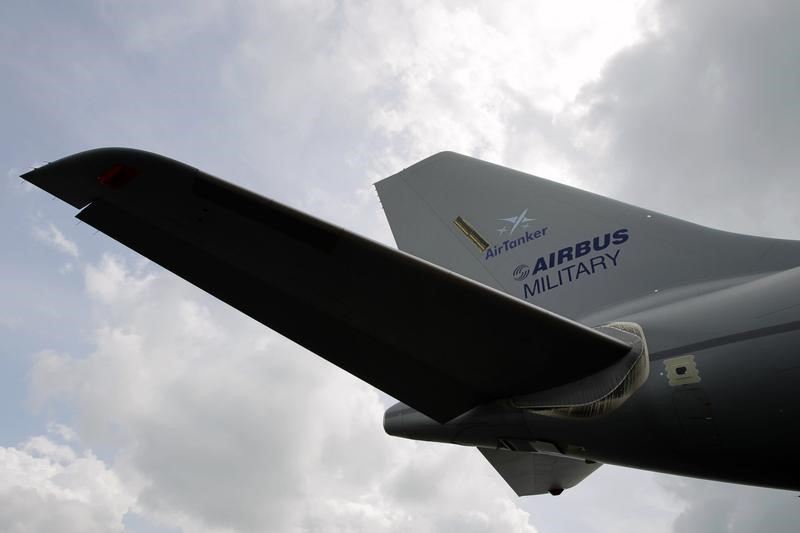
Airbus rose 2.8% to €192.24 after Kepler Cheuvreux upgraded the stock from Hold to Buy and lifted its price target to €212 from €196. The call cited a likely reopening of the Strait of Hormuz and lower oil prices as tailwinds, while noting that Airbus supply-chain issues are being managed and deliveries should accelerate. Qantas also named London as the launch destination for its Project Sunrise A350-1000ULR service starting October 2027, reinforcing long-term demand, though the broader market was risk-off.
The immediate beneficiary is not just Airbus; the bigger second-order winner is the broader aerospace supply chain that has been bottlenecked by OEM scarcity rather than end-demand. If lower energy prices persist, the mix shifts toward airlines restoring capex cadence sooner, which helps component suppliers and lessors before it fully shows up in OEM delivery numbers. That creates a sharper earnings inflection for lease finance and aftermarket names than for the stock that has already rerated on backlog visibility.
The more interesting read-through is competitive: a steadier Middle East corridor and cheaper fuel reduce the penalty on very long-haul routes, which makes aircraft with superior range economics more valuable and raises the bar for narrower-body fleet renewal. That is constructive for Airbus on product mix, but it also supports the lease ecosystem because constrained OEM output keeps secondary market pricing firm. KKR’s disclosed capital is a signal that private capital still sees structural supply scarcity lasting multiple quarters, not a short-lived trade.
The main risk is that the market is extrapolating an energy shock reversal into an operating improvement that will arrive with a lag. Airbus delivery ramps typically take quarters to translate into visible margin expansion, and any slip in supply chain normalization would quickly compress the upgrade narrative. Near term, this is a sentiment and multiple event; over 6-12 months, it only becomes a fundamental earnings story if production cadence actually holds.
Contrarian view: the move may be underestimating how much of the good news is already embedded in aerospace valuations versus how little direct benefit lower oil prices create for OEMs. The cleaner expression is through airlines, lessors, and selected tier-two suppliers rather than chasing the headline winner. If geopolitical normalization proves fragile, the market could unwind this as a relief rally instead of a durable re-rating.
AI-powered research, real-time alerts, and portfolio analytics for institutional investors.
Request DemoOverall Sentiment
moderately positive
Sentiment Score
0.62
Ticker Sentiment
