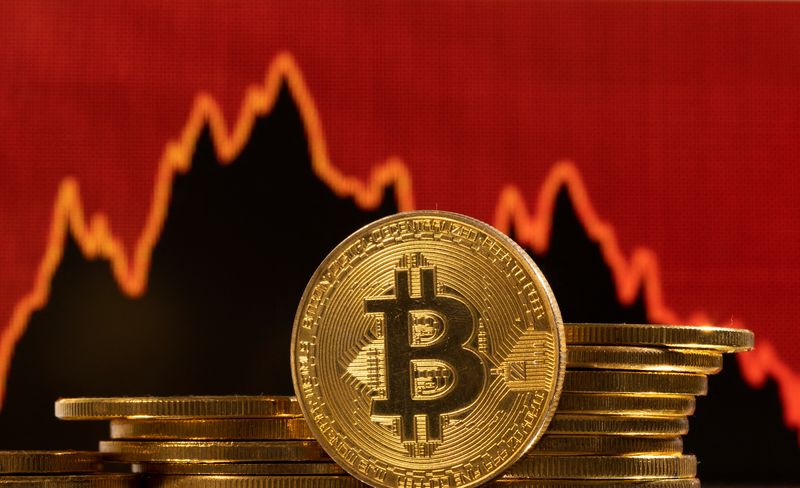
Bitcoin fell 0.7% to $74,756.6, dropping back below the $75,000 level as U.S.-Iran tensions escalated ahead of a ceasefire deadline. The weekend seizure of an Iranian-flagged cargo ship and the shutdown of the Strait of Hormuz pushed oil prices higher and triggered a broader risk-off move across U.S. futures and crypto assets. Ethereum fell 1.3% to $2,285.63, while XRP slipped 0.4% to $1.41, with analysts warning volatility should stay elevated.
This is a classic cross-asset de-risking setup where the first move is not about crypto fundamentals but about liquidity preference. When geopolitics tightens, the marginal buyer of high-beta digital assets disappears first, and that typically hits BTC hardest because it functions as the most liquid proxy for speculative risk. The more important second-order effect is that elevated oil can compress global risk appetite for weeks, which tends to reduce leverage in crypto venues and tighten financing conditions for altcoins even if spot prices stabilize.
The market is also underpricing the convexity in volatility. If shipping disruptions persist, realized vol in BTC and ETH should stay elevated even if prices chop sideways, which creates a favorable backdrop for options sellers only if they can survive gap risk; otherwise, long-vol structures are the cleaner expression. A sustained oil spike would likely pull capital away from risk-on narratives like prediction markets and late-cycle growth equities, but it could also improve the relative value of assets with strong balance sheets and cash generation versus unprofitable momentum names.
For SMCI and APP, the read-through is less about direct exposure and more about multiple compression if the market re-prices duration and speculative growth. Both names can still work operationally, but they are vulnerable to a regime where investors demand immediate monetization rather than TAM stories, especially if rates or commodity-driven inflation expectations tick higher. The consensus seems too focused on headline geopolitics and not enough on how persistent energy inflation can impair the appetite for crowded AI/advertising trades.
The contrarian angle is that this may be a short-lived positioning flush rather than a structural risk-off trend. If negotiations resume or shipping fears ease, BTC can rebound sharply because it is heavily reflexive and levered to flows, not just macro. That means the better trade is likely to own volatility asymmetrically rather than chase outright direction after the initial shock.
AI-powered research, real-time alerts, and portfolio analytics for institutional investors.
Request DemoOverall Sentiment
mildly negative
Sentiment Score
-0.35
Ticker Sentiment
