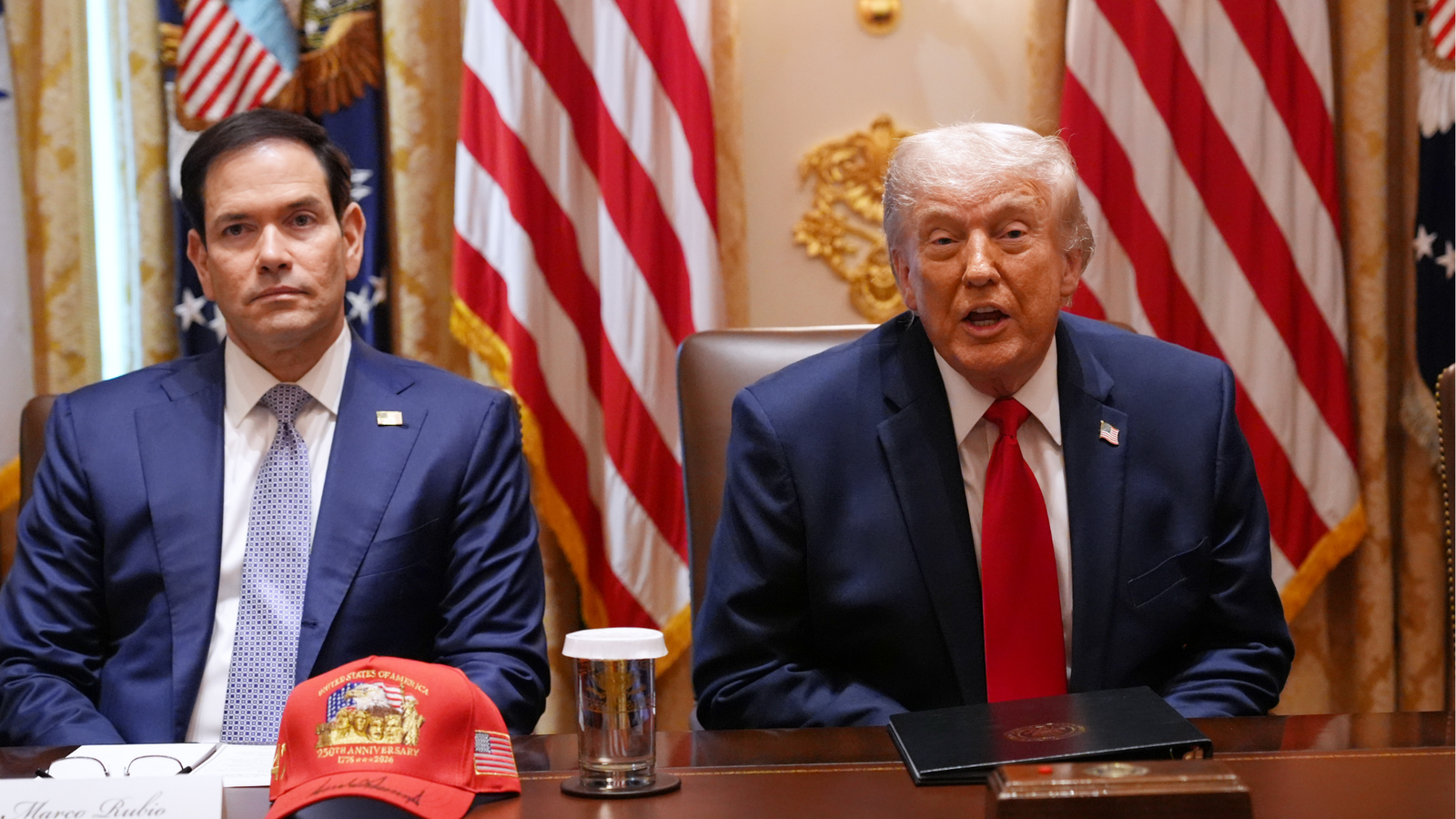
Trump said Iran is "negotiating on fumes" and signaled a deal may be near, but key issues remain unresolved, including Tehran's 440.9 kilograms of uranium enriched to 60% and the scope of any ceasefire. The talks are complicated by U.S. strikes in southern Iran, Republican pushback over terms seen as too favorable, and the potential extension of relief to Hezbollah and other proxies. The situation has meaningful implications for oil flows via the Strait of Hormuz, regional security, and global risk sentiment.
The market implication is less about the headline ceasefire mechanics and more about how quickly any easing in the Strait of Hormuz risk gets priced into the entire energy complex. If even a partial de-escalation survives the next few weeks, the first-order loser is the geopolitical volatility premium embedded in crude, tanker rates, and select defense names; the second-order winner is anything levered to lower input costs and better consumer confidence. The asymmetric piece is that this is a binary process: a fragile deal can compress oil multiples and crack breakevens fast, but a single failed implementation step can reprice Brent higher just as quickly.
The more important underappreciated risk is that sanctions relief can function like a funding bridge for Iran’s regional proxy network even if uranium gets locked down on paper. That argues for distinguishing between a short-lived “peace dividend” in headline risk and a durable reduction in regional supply disruption risk, which likely requires months of verification rather than a 60-day political agreement. In other words, the market may be overpricing the durability of supply normalization while underpricing the chance of renewed skirmishes around Lebanon, shipping lanes, or mine-clearing incidents.
For equities, the tactical setup favors fading the most obvious war-premium beneficiaries rather than chasing broad market relief. Defense contractors with heavy Middle East sensitivity are vulnerable to a de-rate if investors infer fewer emergency replenishment orders, while refiners, airlines, chemicals, and railroads should get a margin tailwind if crude and diesel retrace. The contrarian view is that any meaningful sanctions relief could actually re-extend the conflict timeline by improving Iran’s balance sheet and proxy capability, so the market may ultimately be forced to re-add risk premium after an initial compression.
The cleanest trade is to express a short-duration volatility view: lower oil vol and lower defense vol near term, but keep downside hedges because implementation risk is extreme. If talks fail, the response window is likely days, not months, and the move higher in energy would be sharper than the move lower because positioning is already leaning toward de-escalation.
AI-powered research, real-time alerts, and portfolio analytics for institutional investors.
Request DemoOverall Sentiment
mildly negative
Sentiment Score
-0.25
