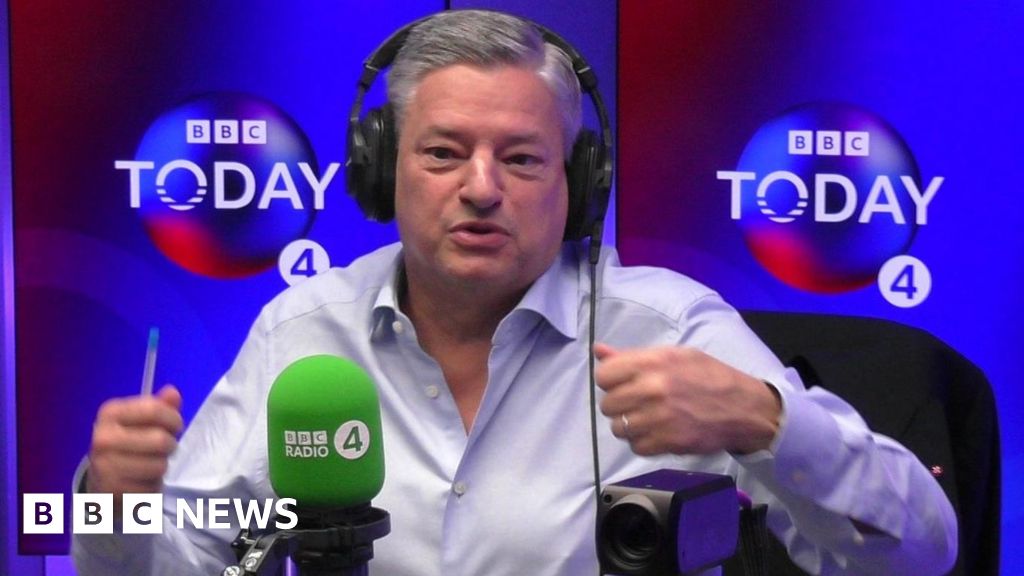
Netflix is defending its competing takeover bid for Warner Bros, arguing its offer to acquire the studio and streaming assets (including Warner Bros, New Line Cinema and HBO Max) and spin off the remainder would drive industry growth, while Paramount has submitted a rival bid for the whole company valued at $108.4bn. Warner Bros has given Paramount a deadline to submit a best-and-final offer ahead of a shareholder vote next month; Paramount has offered to cover the $2.8bn break-up fee if Netflix’s deal fails and Netflix CEO Ted Sarandos warns Paramount would pursue large cost cuts (he cited $6bn immediate and an additional $16bn) under its plan. The contest and potential reconfiguration of Warner Bros’ assets make this a material strategic event for media valuations and consolidation outcomes.
Market structure: A Netflix win concentrates premium studio+streaming IP under a high-growth subscriber model (NFLX), increasing pricing power for proprietary content and tightening supply for third-party licensors; legacy pay-TV assets (linear networks, ad-heavy cable) are the clear losers and are likely to face accelerated revenue decline and multiple compression. Competitive dynamics favor scale players (NFLX, DIS, AMZN) who can amortize big-IP across global subscribers; expect content licensing volumes to fall 10-30% over 12–24 months as studios internalize high-value franchises. Cross-asset: expect NFLX equity IV to rise 20–50% into the shareholder vote, WBD/PARA credit spreads to widen if leverage increases, and no material commodity/FX move outside potential USD funding pressure on large debt raises.
Risk assessment: Tail risks include an antitrust block or a failed shareholder vote (low-probability, high-impact), a financing crunch for a Paramount all-cash bid (PARA valuation $108.4bn), or political/governance interference (noted Trump commentary) that damages management credibility. Time horizons: immediate (days) = IV spikes and event-driven liquidity; short-term (weeks–months) = vote and potential topping bids; long-term (1–3 years) = integration, content capex and margin trajectory determine value. Hidden dependencies: content amortization schedules, talent contracts and cable carriage disputes can erode synergies; catalysts are shareholder vote next month, break-up fee triggers ($2.8bn) and any DOJ/FTC review.
Trade implications: Direct: prefer asymmetric option exposure to NFLX rather than naked equity; 3–6 month call spreads control downside while capturing takeover upside. Pair trades: long NFLX vs short PARA (Paramount Global, PARA) to express a bid-resolution skew; size relative positions to 1–3% of portfolio. Sector rotation: underweight legacy pay-TV/broadcast (PARA, WBD) and overweight scalable streaming/content platforms (NFLX, DIS, AMZN) over 6–24 months. Entry/exit: build option positions within 10 trading days, trim on 15–25% move or immediately after the shareholder vote.
Contrarian angles: Consensus assumes Paramount’s cuts unlock value; that view underestimates franchise decay from deep content cuts — historical parallel: AT&T/TimeWarner which saw debt load and slowed content investment. The market is likely underpricing integration execution risk if Netflix wins (debt-funded content push and FCF pressure) and overpricing short-term cost cuts from Paramount. Unintended consequences include talent flight, windowing disputes and regulatory remedies that could force asset divestitures, creating asymmetric downside for a buyer paying control premia.
AI-powered research, real-time alerts, and portfolio analytics for institutional investors.
Request DemoOverall Sentiment
mildly positive
Sentiment Score
0.25
Ticker Sentiment
