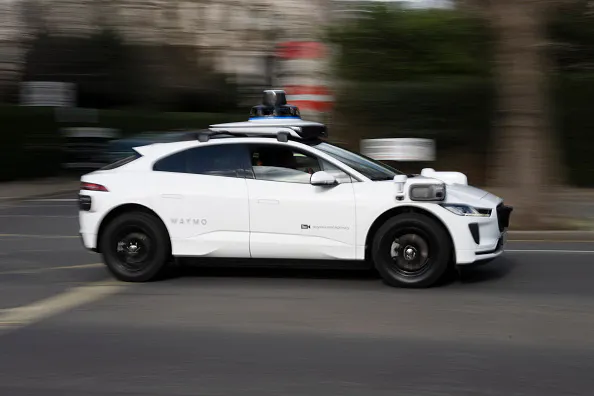
Waymo paused operations in Atlanta after a vehicle drove into a flooded roadway and got stuck, following a similar flood incident in San Antonio that led to a recall of nearly 4,000 driverless cars. The company says it has issued an interim remedy but is still developing a final fix. The update highlights weather-related operational risk for autonomous vehicles, though the broader market impact is likely limited.
The near-term issue is not the operational pause itself, but the signal that geofenced autonomy is still highly fragile to edge-case weather events. That matters because the business model only scales if uptime and dispatch reliability improve faster than the network expands; repeated weather-related interruptions in new markets raise the probability that expansion cadence slows while engineering spend rises, compressing unit economics over the next 2-4 quarters.
Second-order, this strengthens the relative case for incumbent rideshare and delivery platforms that can flex human supply when autonomous fleets are offline. If Waymo’s rollout remains concentrated in easier-weather markets, the addressable TAM for near-term robotaxi monetization is smaller than bulls are underwriting, and competitive differentiation shifts from pure autonomy to operational resilience, fleet management, and weather tolerance. That favors companies with asset-light demand aggregation over those bearing the full liability of autonomous deployment.
For Alphabet, the financial impact is immaterial in P&L terms today, but the narrative risk is more important: each incident extends the timeline for investors to assign meaningful revenue to Waymo and increases scrutiny on safety remediation. The key catalyst is whether the company can demonstrate a durable software fix and resume service without additional incidents over the next 30-60 days; if not, the market may start discounting a slower commercialization curve rather than a binary safety issue.
Contrarian view: this may be more of a scaling problem than a thesis breaker. The market already knows autonomy is hard in adverse weather, so unless the issue spreads beyond a few warm-weather cities, the stock-level reaction in GOOGL should stay contained. The bigger opportunity is likely relative-value: if Waymo delays persist, the gap between autonomy hype and realized monetization could widen enough to support short-duration downside hedges rather than a structural short.
AI-powered research, real-time alerts, and portfolio analytics for institutional investors.
Request DemoOverall Sentiment
mildly negative
Sentiment Score
-0.25
Ticker Sentiment
