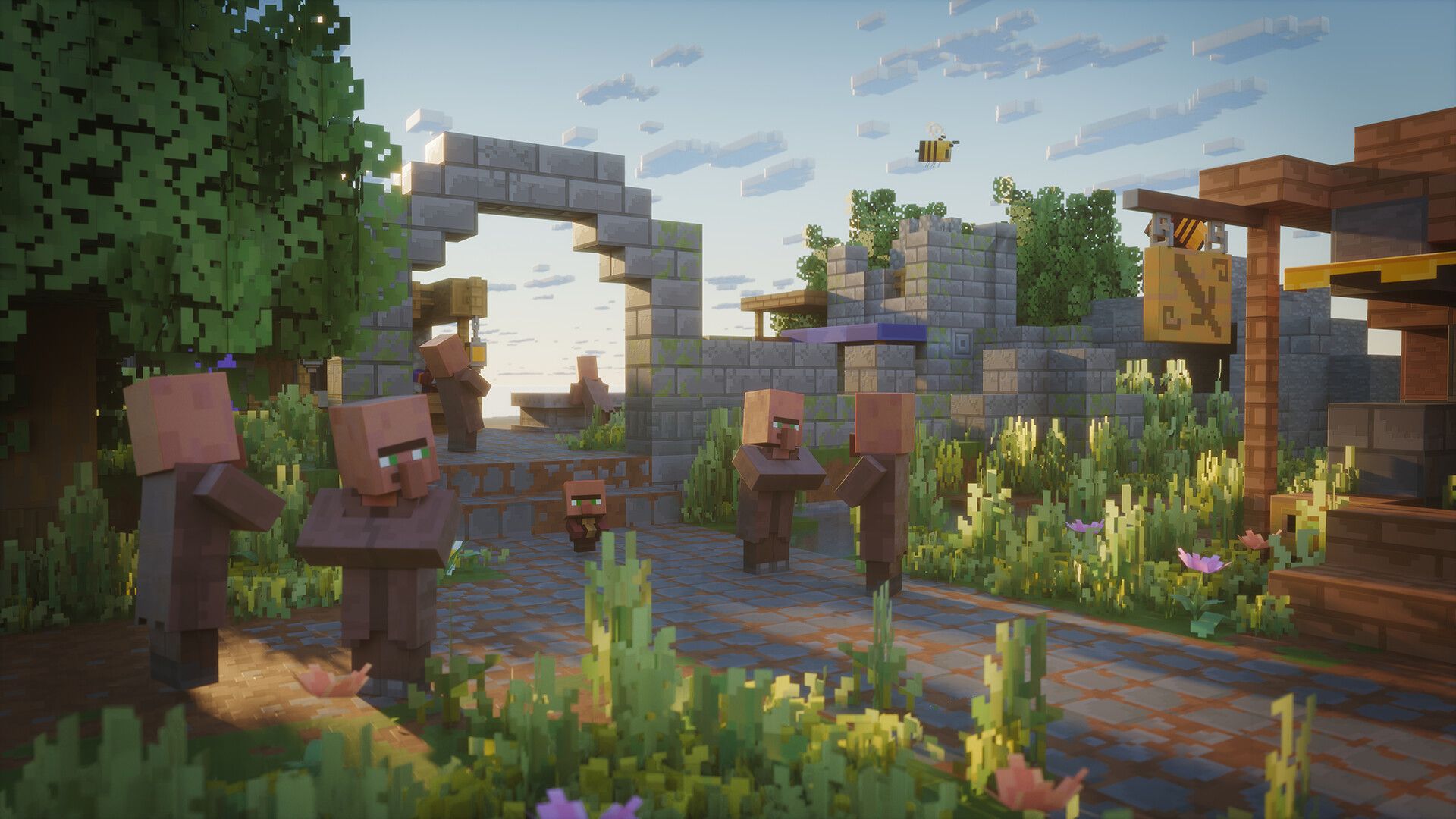
Minecraft Dungeons 2 was revealed via a brief teaser at Minecraft Live with a planned release 'sometime this year'. The announcement contains no gameplay or monetization details, making it primarily a fan-engagement/marketing event for Mojang/Microsoft's IP and unlikely to materially move markets or near-term revenue expectations.
Mojang’s fast follow on a lightweight ARPG leverages an IP-farming playbook: voxel art + familiar mechanics lowers development cadence and marginal cost per title, making each successor cheaply monetizable through DLC, cosmetics, and Game Pass inclusion. That dynamic disproportionately benefits platform owners and middleware/cloud providers (Microsoft/Azure, Unity) because incremental revenue is margin-rich and scales via catalog distribution rather than box-sales spikes; for a mid-core live-service, a realistic steady-state revenue band is tens of millions annually — immaterial to Microsoft’s total revenue but high-ROI within the gaming segment.
Second-order competitive effects favor large platform aggregators while pressuring midsize publishers that rely on marquee AAA hits. Frequent low-cost spinoffs compress consumer willingness to pay premium prices for single-purchase ARPGs and shift marketing spend toward sustained engagement metrics (DAU/retention) rather than launch-week sales, which will benefit subscription-first economics and reduce the payoff volatility for standalone mid-cap developers.
Key near-term catalysts are release timing and critical reception (first reviews within weeks of launch, engagement metrics over the first 30–90 days). Tail risks: heavy monetization backlash or a weak live-service roadmap could reverse sentiment quickly; conversely, unexpectedly strong Game Pass conversion or cross‑IP synergies (merch, seasonal events) could amplify gaming-segment ARPU over 6–12 months. Time arbitrage exists: sentiment moves fast on trailers/reviews, while actual subscriber/monetization readthroughs arrive over quarters — option structures that capture short-term runs but limit downside are preferred.
AI-powered research, real-time alerts, and portfolio analytics for institutional investors.
Request DemoOverall Sentiment
neutral
Sentiment Score
0.05
