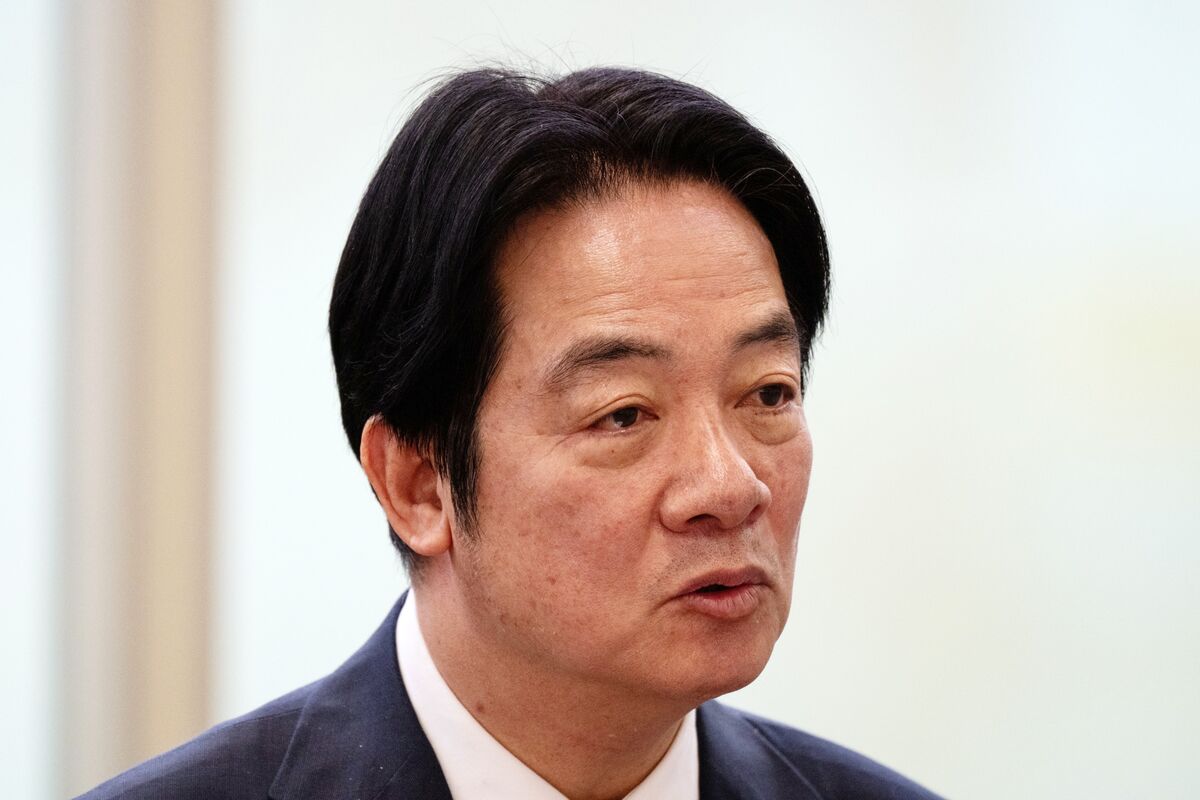
Taiwan President Lai Ching-te reiterated that Taiwan’s leaders have a right to visit allied countries after returning from an African trip that his administration said China nearly blocked. He framed such head-of-state visits as routine and a basic right of every nation. The article is primarily geopolitical and diplomatic, with limited direct market implications.
This is less about one leader’s itinerary and more about China testing the outer edge of Taiwan’s diplomatic operating space. The market-relevant second-order effect is escalation through administrative friction: visa delays, airspace routing pressure, customs harassment, and informal warnings to third countries can intensify without creating a headline event, which is exactly the kind of slow-burn risk that keeps regional risk premia sticky.
The immediate beneficiaries are not obvious Taiwan equities, but defense-adjacent names and Japan/Korea supply-chain exporters that trade on continuity rather than crisis. The loser set is broader Asia EM sentiment: every incremental sign that Beijing is willing to contest non-military statecraft raises the probability of periodic repricing in shipping, insurers, and firms with Taiwan/China exposure, even if earnings impacts are delayed by quarters.
The key catalyst window is the next 1-3 months, when China can respond in calibrated steps rather than a single large move. The tail risk is not invasion rhetoric; it is a sequence of coercive measures that force foreign ministries and corporate boards to self-censor Taiwan engagement, effectively narrowing Taipei’s diplomatic latitude over time. If Beijing’s response remains mostly symbolic, the trade becomes a fade: geopolitical headlines stay loud, but realized disruption stays low.
Consensus likely underestimates how much this reinforces a regime of incremental de-risking rather than immediate crisis. That makes the setup better for relative-value hedges than outright macro shorts: you want exposures that benefit from higher security spending and higher perceived Asia uncertainty, while avoiding names whose valuations already discount a full-blown Taiwan shock.
AI-powered research, real-time alerts, and portfolio analytics for institutional investors.
Request DemoOverall Sentiment
neutral
Sentiment Score
0.00
