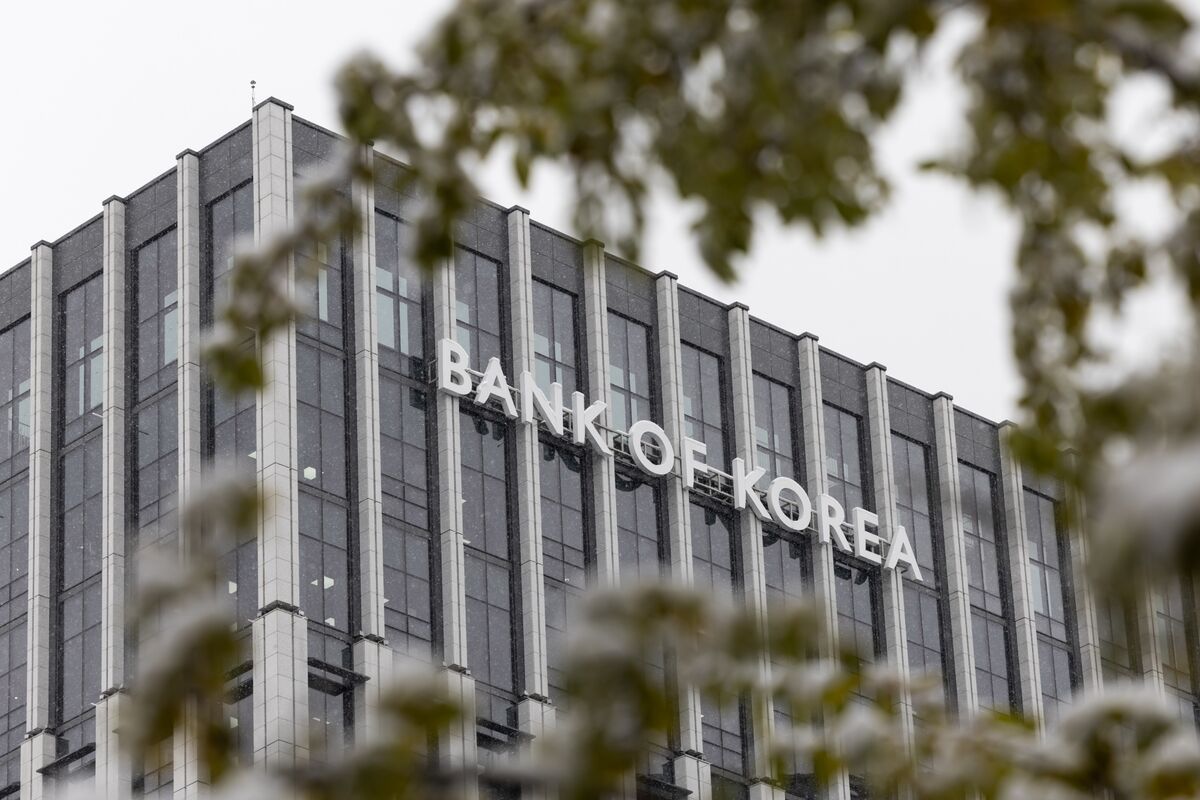
Bank of Korea said policy rates will need to rise at an appropriate time, citing inflation above target, stronger growth, and growing financial stability risks. The comments are explicitly hawkish and come about a week before the next meeting on whether to resume tightening, increasing expectations for higher South Korean borrowing costs.
The first-order winner is domestic financials: a credible path to tighter policy usually steepens near-term bank NIMs before funding costs fully reprice, especially for retail-heavy lenders with sticky deposit franchises. In Korea, that argues for relative strength in banks versus utilities and other highly levered domestic yield names; the cleanest translation is long financial beta, short interest-sensitive balance sheets.
The second-order risk is not the policy move itself but the credit impulse it slows. Korea’s household leverage makes even modest tightening a months-long drag on mortgage growth, construction activity, and small-cap cyclicals, so the eventual loser set is broader than rate-sensitive equities alone. If the won strengthens on higher-rate expectations, exporters get a currency headwind that can partially offset any domestic macro benefit.
The market may be underestimating how quickly this shifts from “hawkish rhetoric” to balance-sheet stress in weak sectors: utilities with large debt loads, developers, and levered consumer names can re-rate lower before the bank sector fully benefits. The key falsifier is if inflation cools faster than expected or growth rolls over, which would force the BOK to pause and unwind the duration shock; watch the next meeting and the 3- to 6-month path in mortgage data and government bond yields, not just the headline statement.
AI-powered research, real-time alerts, and portfolio analytics for institutional investors.
Overall Sentiment
mildly negative
Sentiment Score
-0.15
Ticker Sentiment
