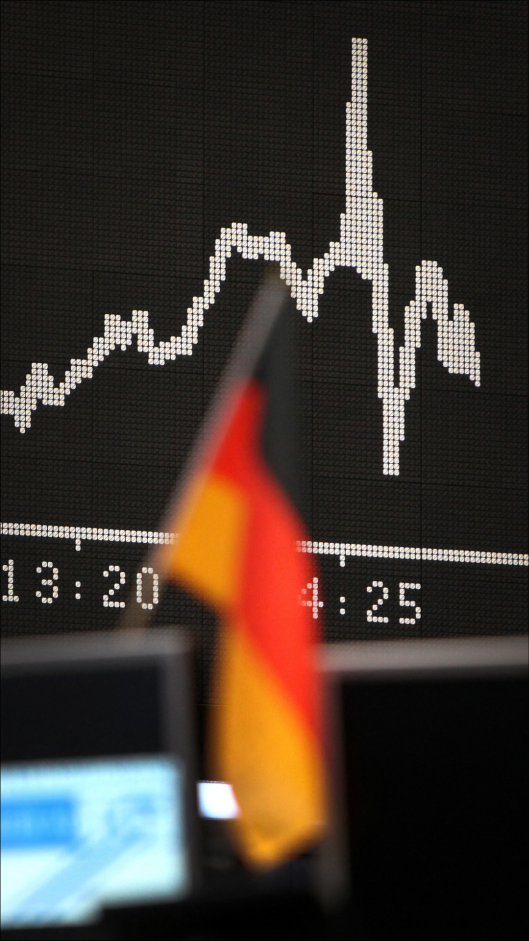
Historically conservative German savers are reportedly joining the stock market in a 'frenzy,' marking a significant shift from their traditional investment wariness. This development, as detailed by Bloomberg, suggests a potential new source of capital flow into public equities from a major European economy, with the underlying drivers of this behavioral change being explored.
A significant behavioral shift is reportedly underway in Germany, with a populace historically characterized as cautious savers now participating in the stock market with notable enthusiasm. This development, described as a 'frenzy,' suggests a potential structural change in capital allocation within Europe's largest economy. The influx of new retail capital could serve as a material tailwind for public equities, altering market flows and boosting investor sentiment, a view supported by the report's optimistic tone and strongly positive sentiment score. While the article does not quantify the scale of this shift, the change in behavior from being 'wary investors' to active participants marks a crucial development for market observers monitoring European capital dynamics and retail investor positioning.
AI-powered research, real-time alerts, and portfolio analytics for institutional investors.
Request DemoOverall Sentiment
strongly positive
Sentiment Score
0.60
