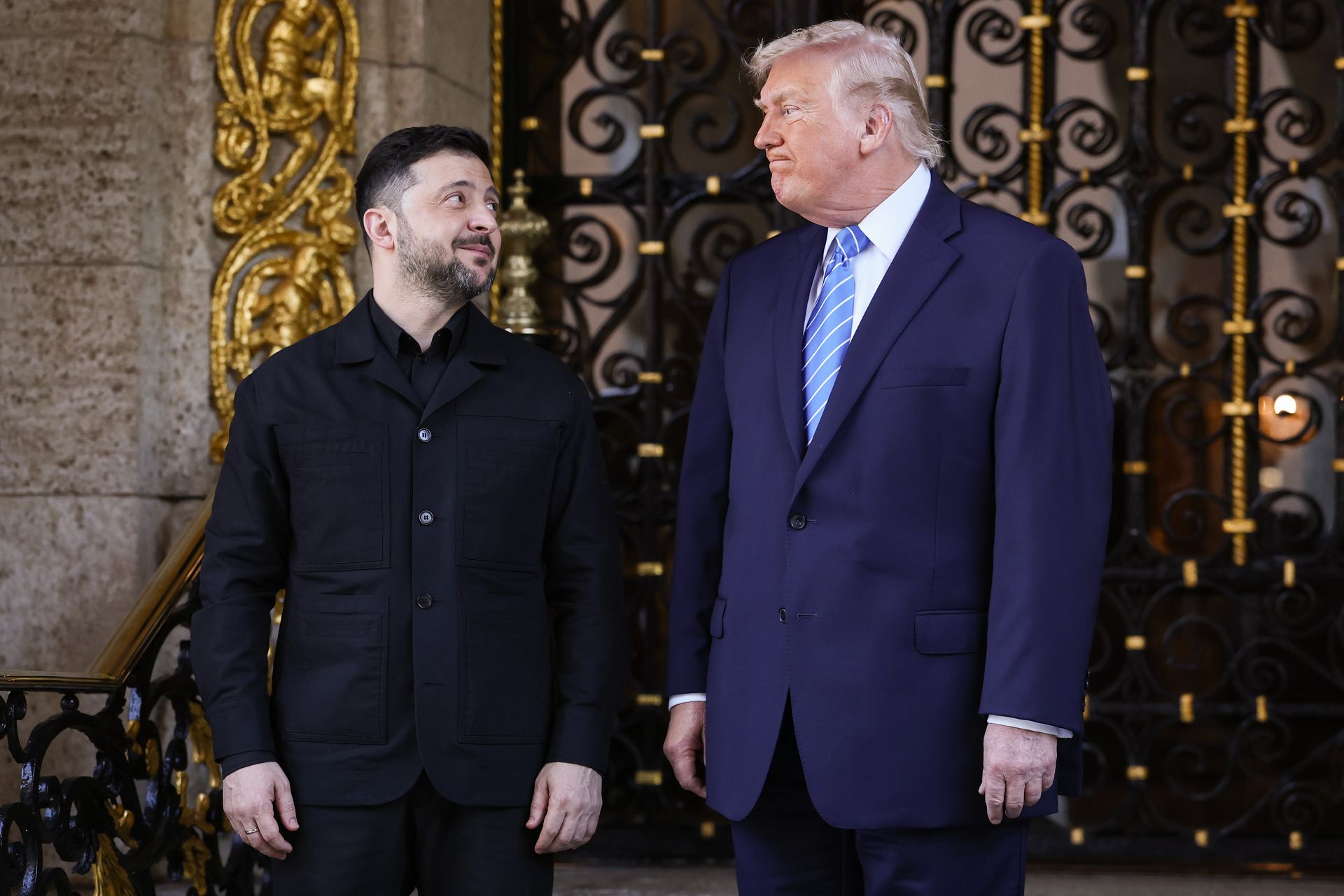
The Strait of Hormuz closure — a route carrying roughly 20% of global oil — sparked a surge in oil and gas prices after Tehran fired waves of missiles and drones; Iran has launched over 500 ballistic missiles and 2,000+ drones since the conflict began. President Trump told Fox News the U.S. does not need Ukraine's help on anti-drone defenses, rebuffing Kyiv's offer to share combat-tested counter-drone technology even as Ukraine says it has sent experts to multiple Gulf states and more than 10 countries have requested its aid. The administration has moved to temporarily ease sanctions on Russian oil and Trump acknowledged possible limited Russian assistance to Iran, heightening geopolitical risk and potential market volatility.
Trump’s public rebuff of Kyiv is a political signal with marketable mechanics: it reduces Ukraine’s bargaining leverage in near-term Western security sales and swaps Kyiv’s combat-tested tech from a bargaining chip into a political cudgel. Expect a 30–90 day window where bilateral talks cool, slowing immediate cross‑training and commercial transfer contracts that would have accelerated niche counter‑UAV exports (radar, EO/IR gimbals, autopilot software). This creates a liquidity vacuum for small-cap vendors that had priced in fast, government‑backed procurement orders.
Energy markets face two opposing, time-staggered forces: tactical easing of Russian oil sanctions (policy leg) dials down a near-term insurance premium in oil prices, while operational evidence of Russia aiding Iran (and continued regional tit‑for‑tat) increases medium-term tail risk to chokepoints and shipping insurance. The net is higher realized volatility for 30–180 days with directional bias sensitive to subsequent escalation events — a classic regime where selling some outright directional oil exposure and buying volatility is rational.
Defense primes with integrated air‑defense and systems integration franchises capture the structural rerouting of government R&D and procurement spend away from small, foreign partners toward large domestic contractors. Over 6–18 months this favors companies that can deliver layered, interoperable C2 and missile/AD solutions versus point‑solutions; semiconductor and RF component suppliers in the C‑UAV stack will see lumpy demand that amplifies their earnings volatility. The main reversal trigger is a demonstrable on‑the‑ground operational link between Moscow and Tehran or a domestic US political shift forcing renewed material support to Ukraine — both would restore Ukraine’s leverage and re‑open fast commercial flows in under 120 days.
AI-powered research, real-time alerts, and portfolio analytics for institutional investors.
Request DemoOverall Sentiment
mildly negative
Sentiment Score
-0.25
