
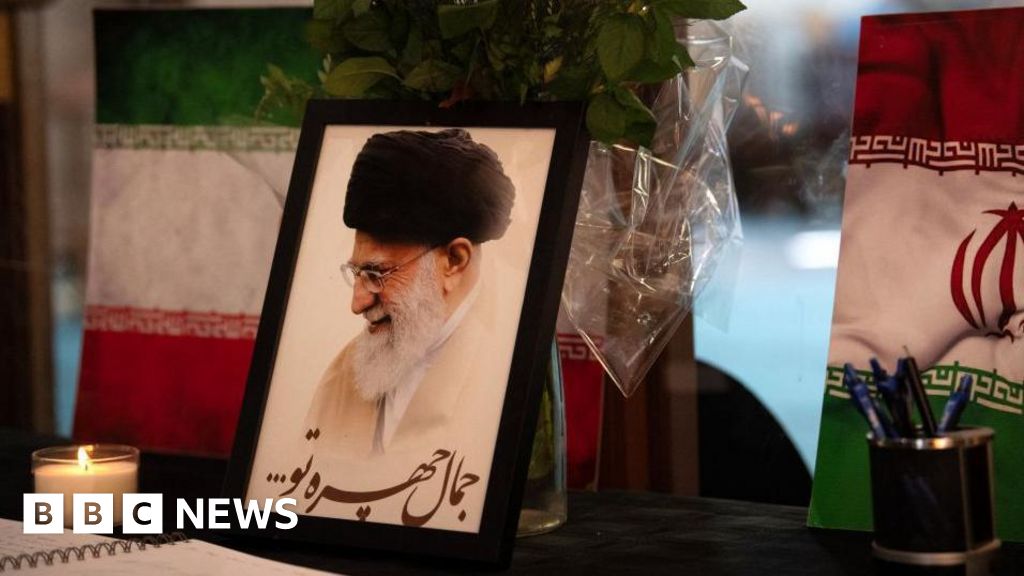
US and Israeli forces executed a coordinated strike in Tehran after CIA-provided intelligence pinpointed Supreme Leader Ali Khamenei and multiple senior commanders at a central compound, with Israeli jets reportedly using around 30 bombs at ~09:40 local time and naming seven senior defence officials killed including Ali Shamkhani, Aziz Nasirzadeh and Mohammad Pakpour. The operation leveraged technical/human intelligence and possible telecom penetration to build a pattern-of-life, was timed as a wider campaign signal, and creates high risk of regional escalation, potential energy-market volatility and increased demand for defence-related assets while Iran's succession plans and the conflict trajectory remain uncertain.
Market structure: Immediate winners are large-cap defense primes (LMT, NOC, RTX) and ISR/cyber vendors (FTNT, PANW) as governments fast-track procurement; expect a 10–25% re-rating in short-term defense order books within 3–12 months and a 5–10% upside in shares if FY+1 guidance is upgraded. Losers: regional airlines (AAL, UAL), frontier/EM credits and shipping (SALT-insured routes) face higher fuel/surge insurance costs; oil producers (XOM, CVX) gain in near-term cash flow but face political volatility in production risk pricing.
Risk assessment: Tail risks include major escalation (Strait of Hormuz closure) pushing Brent +20–40% and systemic cyberattacks hitting US infrastructure—low probability (<15%) but high impact to global growth and markets. Time horizons: days—sharp volatility in oil, FX (USD up, JPY/CHF safe-havens), and VIX spike; weeks–months—defense/cyber revenue manifests; quarters–years—structural budget shifts and supply-chain onshoring. Hidden deps: OPEC spare capacity, SPR releases, and insurance war-risk corridors; catalysts include Iranian retaliatory strikes, US troop/aid decisions, and OPEC+ responses.
Trade implications: Prefer tactically long defense and cyber with protective sizing and volatility hedges; use oil options for asymmetric upside while avoiding outright long commodity inventories. Rotate away from EM sovereigns and travel/leisure into industrial suppliers of ISR, satellite comms, and munitions supply chains. Use FX hedges for USD strength and float yield curve exposure via short-dated Treasuries if risk-off persists.
Contrarian: Consensus may over-pay for defense names already up; escalation could be contained politically, causing oil and gold mean-reversion in 6–12 weeks—sell strength with options premium capture. Also under-appreciated is cyber/insurance knock-on risk to semis and cloud infra providers; consider convex hedges rather than naked longs. Historical parallels (post-Gulf spikes) suggest fast peak then fade if supply buffers activate.
AI-powered research, real-time alerts, and portfolio analytics for institutional investors.
Request TrialOverall Sentiment
strongly negative
Sentiment Score
-0.60
Ticker Sentiment
