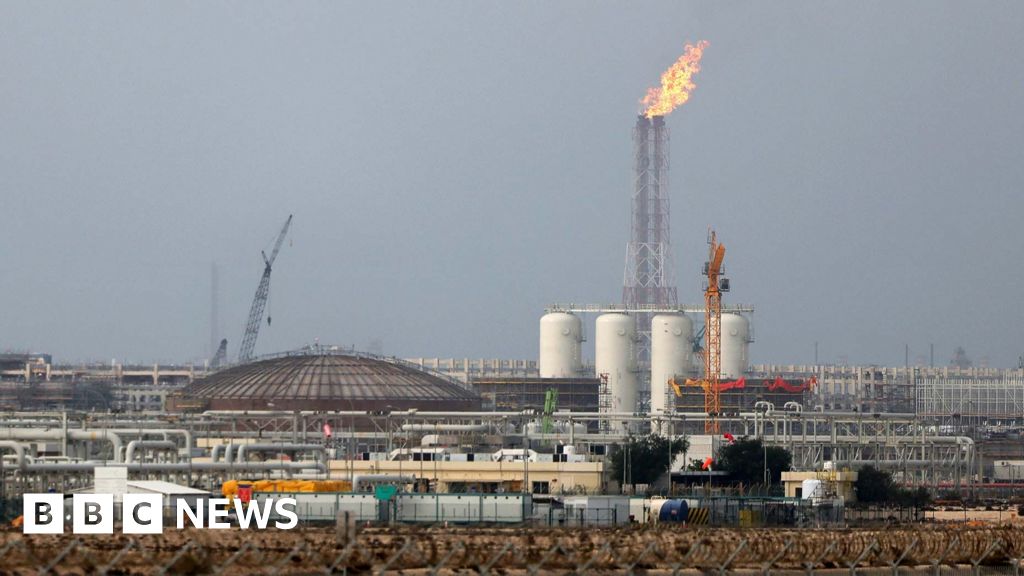
17% of Qatar's LNG export capacity was knocked out by missile strikes on Ras Laffan, with QatarEnergy estimating an annual revenue loss of about $20bn and repairs taking 3–5 years. UK gas briefly peaked near 183p/therm before settling at 154.8p (an 11.3% day-on-day rise) and European gas rose >10%, signaling a material near-term global LNG supply shock that will push wholesale electricity and gas prices higher and likely prompt policy responses.
This is primarily a supply-side shock to a concentrated piece of global midstream capacity that will ripple through spot LNG markets, freight markets and marginal power pricing. Expect an immediate reallocation of cargoes with Asian buyers outbidding Europe for spot tonnage and a meaningful rise in tonne-mile demand that tightens tanker utilisation and freight rates. Industrial users that price off short-term gas indices will face margin pressure first — fertilisers, basic chemicals and energy‑intensive metals are the canaries — while utilities and utilities-hedged consumers will see wholesale pass‑through on a one-to-two quarter lag.
For large integrated energy companies the P&L impact will bifurcate: those with flexible LNG portfolio positions and integrated trading desks can monetise short-term dislocations, while firms with direct asset exposure to the struck facilities face balance‑sheet and capital‑allocation friction (insurance recoveries, reconstruction capex, force‑majeure renegotiations). The insurance and EPC supply chain angle is underpriced — heavy engineering contractors and specialty fabricators will see outsized award flow but also counterparty credit strain.
Key catalysts that will either amplify or unwind the move are geopolitical escalation in the basin (fast), re-routing of long-term contracts and capacity additions from non‑regional suppliers (medium), and demand destruction or accelerated switching to renewables/coal in Europe (slow). Volatility profile: knee‑jerk moves in days; contractual re‑shuffles and cargo arbitrage over months; structural rebalancing tied to new capacity and contract terms over years.
AI-powered research, real-time alerts, and portfolio analytics for institutional investors.
Overall Sentiment
strongly negative
Sentiment Score
-0.70
Ticker Sentiment
