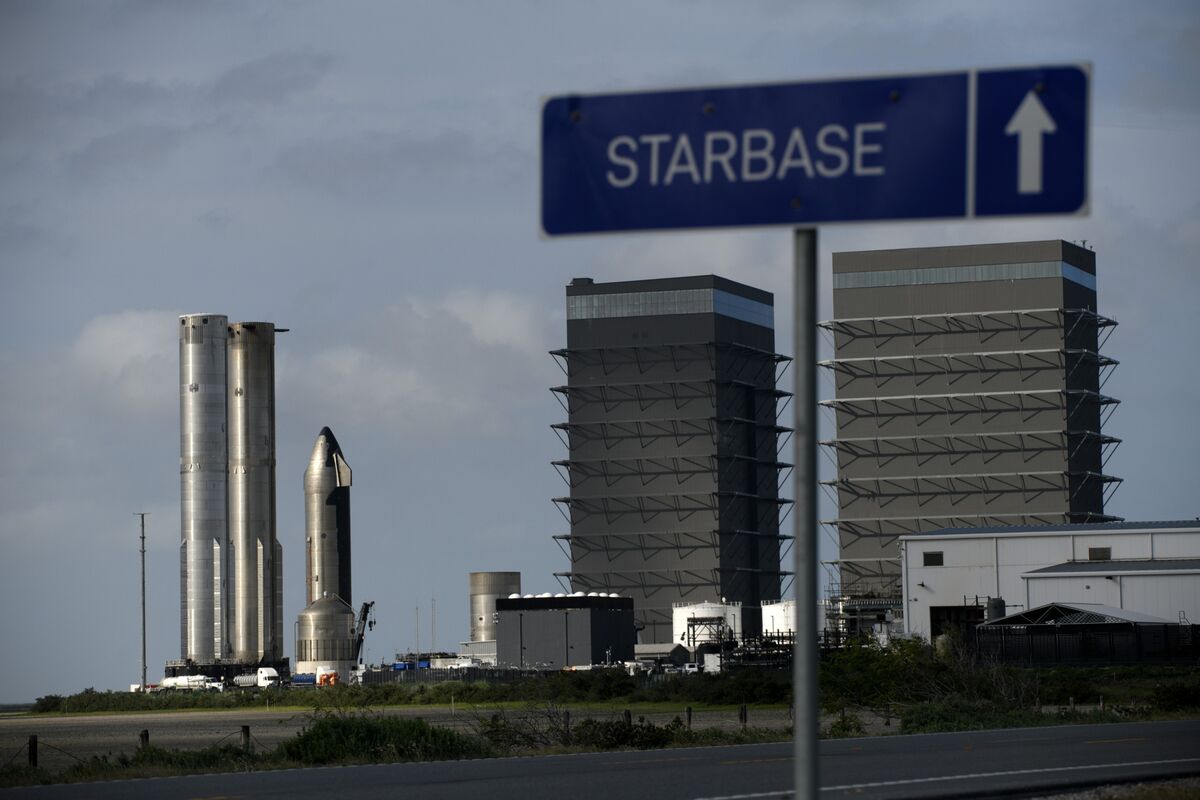
SpaceX is preparing a tender offer to sell insider shares that could value the company at up to $800 billion, exceeding OpenAI’s reported $500 billion private-market valuation. The transaction is being marketed to insiders and observers say SpaceX could pursue an IPO as soon as late next year. The move would reinforce elevated private-market valuations for space and satellite assets and could signal increased liquidity and timing for a future public listing, though valuation and execution risk remain.
Market structure: The reported $800bn insider tender benefits existing SpaceX insiders and late-stage private buyers by crystallizing a higher private-market mark; it pressure-tests comps across launch and satellite comms and strengthens SpaceX’s pricing power (able to undercut small-launch peers by ~20–50%). Losers are likely small public launch/satellite vendors (e.g., RKLB, VSAT) and private issuers that now must clear a higher benchmark to justify exits. Cross-asset: expect modest risk-on spillovers into growth tech multiples and secondary-market bids for top pre-IPO names, with little direct commodity or FX stress but potential upside compression for long-duration Treasuries if sentiment lifts equity risk appetite.
Risk assessment: Tail risks include regulatory/national-security intervention or export-controls causing a 30–60% valuation haircut, catastrophic launch/Starship failure that triggers immediate rerating, or a liquidity gap if secondary buyers pull back. Near-term (days → weeks) we should expect volatility around tender details and any IPO timeline; medium-term (3–12 months) the key driver is Starlink subscriber/ARPU and government contract cadence; long-term (1–3+ years) execution on capex and margins matters. Hidden dependencies: valuation is levered to Starlink unit economics, DoD contracts, and Musk’s corporate bandwidth; catalysts are disclosed subscriber metrics, DoJ/SEC signals, and an S-1 filing.
Trade implications: Relative-value favors short exposure to small-cap rocket/satellite equities and long exposure to large diversified defense primes and infrastructure landlords that benefit from broadband buildout. Use 6–18 month options to express views (protective long-dated puts on vulnerable small-caps; call overwrites or buy-write on defense names) and redeploy proceeds ahead of a possible IPO window in H2–H4 2025. Act quickly on secondaries but size positions to 1–3% of NAV and scale into verified fundamental datapoints.
Contrarian angles: Consensus assumes Starlink scales into a cash cow; that’s unproven — missing churn, ARPU, and capex tail risks could produce a down-round or IPO multiple well below $800bn. Market may be underpricing the probability of regulatory intervention and operational failure; historical parallels (late-stage froth like WeWork) show sharp >40% corrections when fundamentals disappoint. Unintended consequence: inflated private comps could choke off IPO demand and create a secondary-market liquidity cliff at the first sign of weakness.
AI-powered research, real-time alerts, and portfolio analytics for institutional investors.
Request DemoOverall Sentiment
moderately positive
Sentiment Score
0.45
