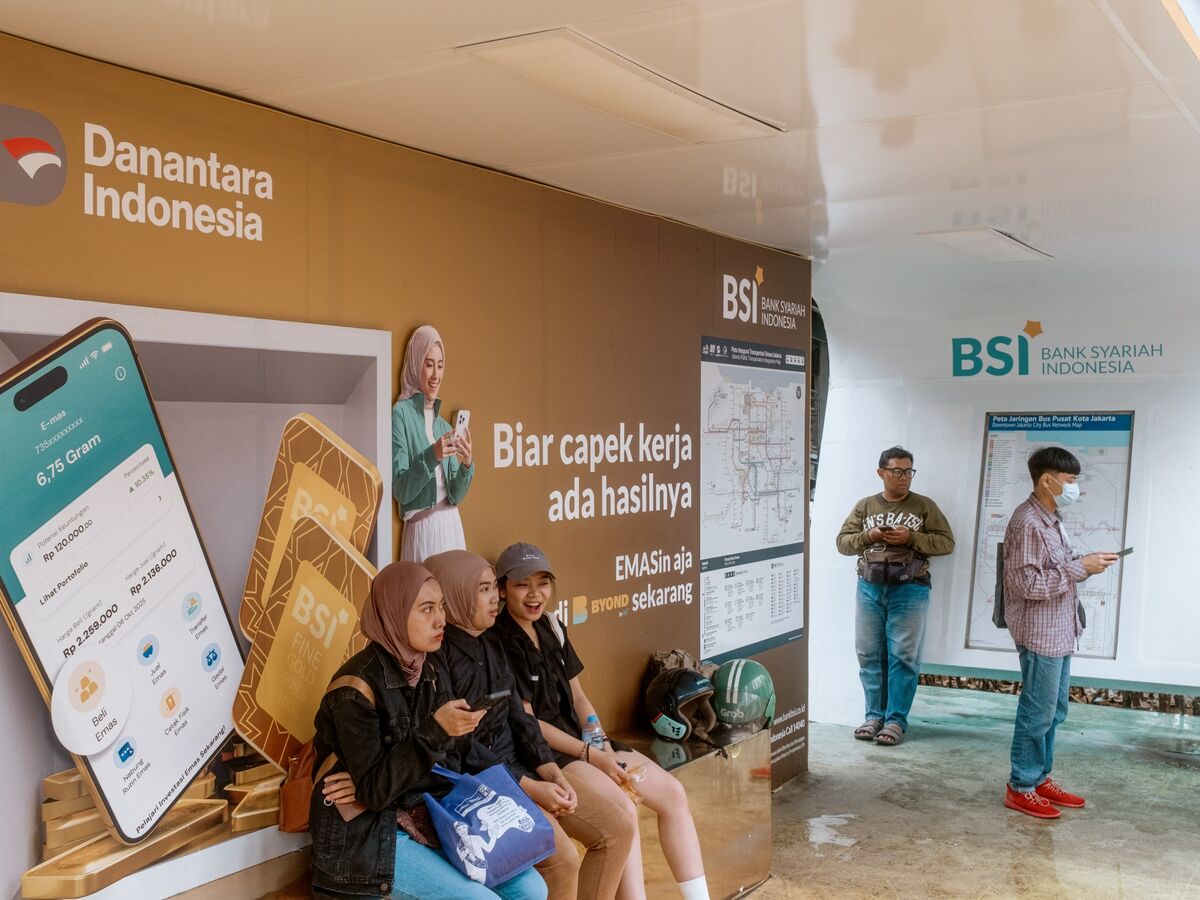
Indonesia’s Danantara is considering a 30-year bond after strong demand for its debut global issuance, with investors said to be willing to buy paper out to that tenor. The fund met 122 investors across London, New York and Hong Kong during the roadshow. The update is supportive for the fund’s funding flexibility and signals favorable reception from global bond investors, though the immediate market impact appears limited.
This is less about a single sovereign print and more about a funding-stack validation event for a new issuer. A fast follow-on move into the 30-year bucket would signal that investors are already pricing Danantara as quasi-sovereign, which can compress its term premium relative to frontier EM peers and pull in duration-sensitive real money that otherwise avoids first-time credits. The second-order winner is Indonesia’s broader external funding curve: once the market accepts a long-dated offshore benchmark from the fund, local SOEs and infrastructure vehicles can price off it, lowering the marginal cost of capital across the ecosystem.
The hidden risk is governance, not spread level. A long tenor magnifies any future policy drift, asset-allocation controversy, or liquidity mismatch; if the market starts to question funding transparency or implicit state support, the long end will reprice faster than the belly because duration is where governance uncertainty is most expensive. In other words, the near-term story is demand momentum, but the 12- to 24-month story is whether this becomes a repeatable liability-management channel or a one-off novelty trade.
The market may be underestimating how quickly this can bleed into Indonesia’s sovereign curve and local banks’ external funding costs. A successful 30-year deal could tighten sovereign spreads modestly, but it also raises the bar for future issuance: if Danantara taps the market repeatedly, investors will start demanding a structural premium versus the sovereign unless cash-flow visibility and asset separation are very clear. The contrarian view is that the first deal’s success may actually be the easiest part; the harder part is proving that the fund can access long money without being treated as a contingent quasi-fiscal balance sheet.
AI-powered research, real-time alerts, and portfolio analytics for institutional investors.
Overall Sentiment
mildly positive
Sentiment Score
0.22
