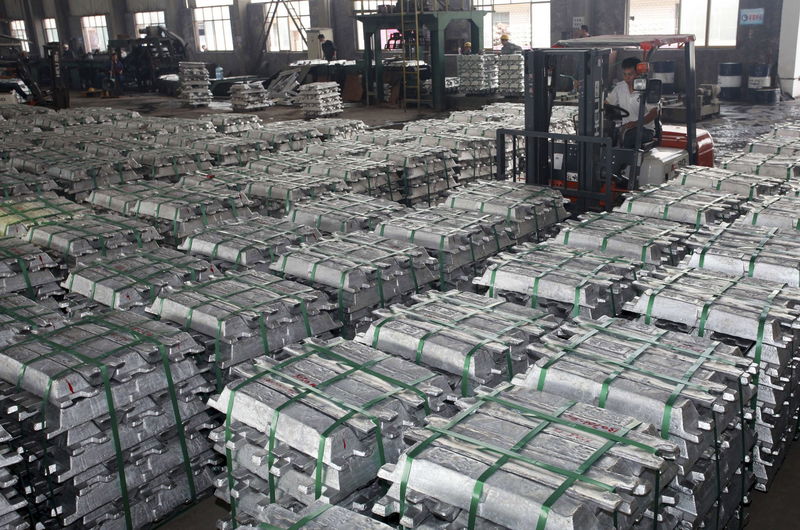
The Strait of Hormuz conflict has disrupted about 7% of global aluminium supply and damaged roughly 3% of production capacity, pushing prices to their second-highest levels ever and near 2022 peaks. Analysts expect aluminium to average around $3,400 per tonne in 2026, with the market tipping into deficit in 2026 and possibly 2027 as inventories stay extremely tight. While producers such as Rio Tinto may benefit from higher prices, the article highlights persistent upside risk from supply shocks and elevated energy costs.
The market is pricing an input-cost shock as a simple commodity upcycle, but the cleaner trade is on margin dispersion. Upstream aluminum producers with captive power, low-cost bauxite/alumina, and disciplined capex should see operating leverage far exceed the headline move in metal prices, while downstream fabricators, auto suppliers, packaging, and construction inputs face a delayed but meaningful squeeze as legacy inventories roll off over the next 1-2 quarters.
The second-order effect is that energy is now the bottleneck, not just mined supply. Smelters without long-duration power contracts are effectively short electricity with embedded leverage to gas and coal; that makes the “aluminum bull” less uniform than it appears and creates a winner/loser split across geographies. Markets also underappreciate how tight inventories compress optionality: when buffers are this low, even a modest restart delay or shipping disruption can force spot buyers to pay up quickly, but once conflict risk eases, the reverse can be abrupt because demand destruction and scrap substitution should accelerate.
For RIO, the near-term setup is attractive because earnings sensitivity is still under-embedded relative to the downside protection from low-cost assets and diversification. The bigger risk is not a collapse in realized prices; it is policy response and supply normalization into 2027-2028, which would compress the multiple before volumes recover. That argues for using near-dated upside to express the view rather than chasing common stock after a sharp move.
Contrarian take: consensus is likely overestimating how much of this price shock is durable and underestimating substitution. High aluminum prices should pull forward scrap collection, substitution into steel/plastics where feasible, and demand deferral in packaging and construction. That limits the long-end upside, but it does not negate a 3-6 month tactical long in the lowest-cost producers while the physical market remains undersupplied.
AI-powered research, real-time alerts, and portfolio analytics for institutional investors.
Request DemoOverall Sentiment
moderately negative
Sentiment Score
-0.40
Ticker Sentiment
