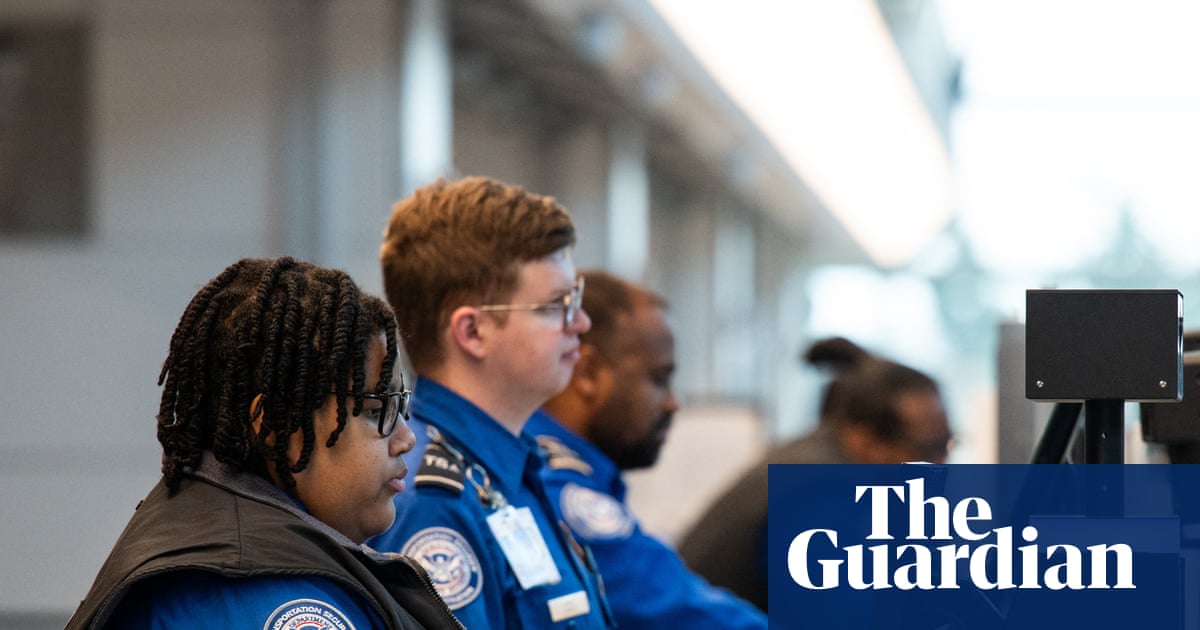
TSA employees missed their first full paychecks Friday as the partial government shutdown that began in February continues, prompting multiple U.S. airports to solicit donations and open food/essentials pantries. Operational effects are localized but tangible: Miami reported security clearance times roughly doubled at points, and a viral New Orleans security line highlighted strain, while other major airports reported relatively normal wait times. Political deadlock persists—Senate Democrats demand immigration-related concessions before funding DHS, and Republicans oppose piecemeal funding—raising risk of continued service disruptions during peak travel periods.
Operational fragility is the investment story: constrained ability to remediate unpaid-staff shortages (legal limits on cash/gift mitigation, logistical limits on volunteers) means localized staffing shocks can persist for days-to-weeks rather than hours. A 5–10% increase in no-shows concentrated in 3–6 major hub checkpoints can plausibly double checkpoint throughput times during peak windows, cascading into measurable flight delays, rebook costs and incremental ground-handling labor expenses that hit low-margin leisure carriers first.
Second-order revenue effects concentrate on airport-adjacent cash flows. Short-lived reputational hits during peak travel weeks compress concession, parking and rental-car volumes by low-single digits, but if the disruption lasts multiple weeks that becomes a high-teens percent swing in monthly concession revenue for vendors operating on thin margins and daily turnover economics. Municipal airport credit risk remains low near-term, but multi-week operational pain increases the probability of concession revenue covenant strain for smaller private operators and could push renegotiations of revenue-sharing terms.
The political path is the primary catalyst: resolution within 7–14 days materially reduces operational risk; protracted standoffs or union escalation raise the tail risk of formal labor actions and force discrete legislative carve-outs that create uneven funding outcomes across DHS sub-agencies. Market-sensitive triggers: 1) publicly reported checkpoint staffing shortfalls at top-10 hubs, 2) multi-day airline on-time performance deterioration >5 percentage points, and 3) any congressional move to decouple TSA funding — each would materially re-rate the sector on a 2–12 week horizon.
AI-powered research, real-time alerts, and portfolio analytics for institutional investors.
Request DemoOverall Sentiment
moderately negative
Sentiment Score
-0.45
Ticker Sentiment
