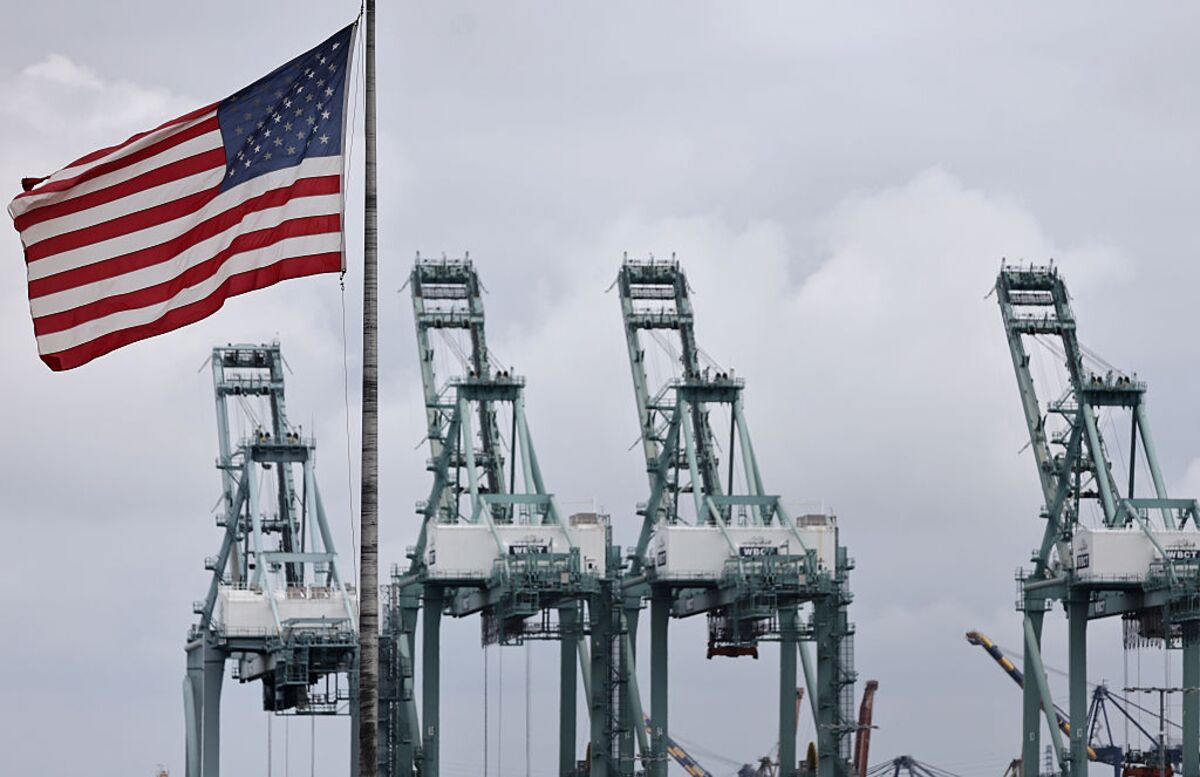
A container ship, the One Henry Hudson, caught fire at the Port of Los Angeles, prompting firefighters to battle the blaze, the establishment of a water safety zone and suspension of operations at four of the port’s seven container terminals. No injuries have been reported, but officials urged nearby residents to remain indoors with windows closed due to smoke. As the nation’s busiest maritime gateway, the stoppage risks immediate localized disruption to cargo throughput and short-term supply-chain and logistics flows.
A container ship, the One Henry Hudson, caught fire at the Port of Los Angeles, prompting firefighters to establish a water safety zone and suspend operations at four of the port’s seven container terminals; officials reported no injuries and advised nearby residents to stay indoors because of smoke. The stoppage affects approximately 57% of the port's container terminals and directly interrupts throughput at the nation’s busiest maritime gateway. Market signals classify the incident as moderately negative with a market impact score of 0.5, implying a meaningful but not necessarily systemic disruption. Short-term implications include localized congestion, delayed vessel offloads and potential spikes in dwell/demurrage costs for impacted importers, while prolonged effects remain contingent on fire containment and terminal reopening timelines.
The operational halt matters for import-dependent supply chains and logistics providers that route through the Port of Los Angeles; retailers and manufacturers with tight inventory cycles are most exposed to immediate flow disruptions. Freight forwarders, trucking firms and nearby alternative gateways may see transient shifts in demand if cargo is rerouted, but the article provides no evidence of wider national supply-chain breakdowns. Investors should treat this as a time-sensitive operational shock rather than a structural industry change and track follow-on communications from port authorities and carriers for reopening schedules and backlog metrics.
AI-powered research, real-time alerts, and portfolio analytics for institutional investors.
Request DemoOverall Sentiment
moderately negative
Sentiment Score
-0.45
