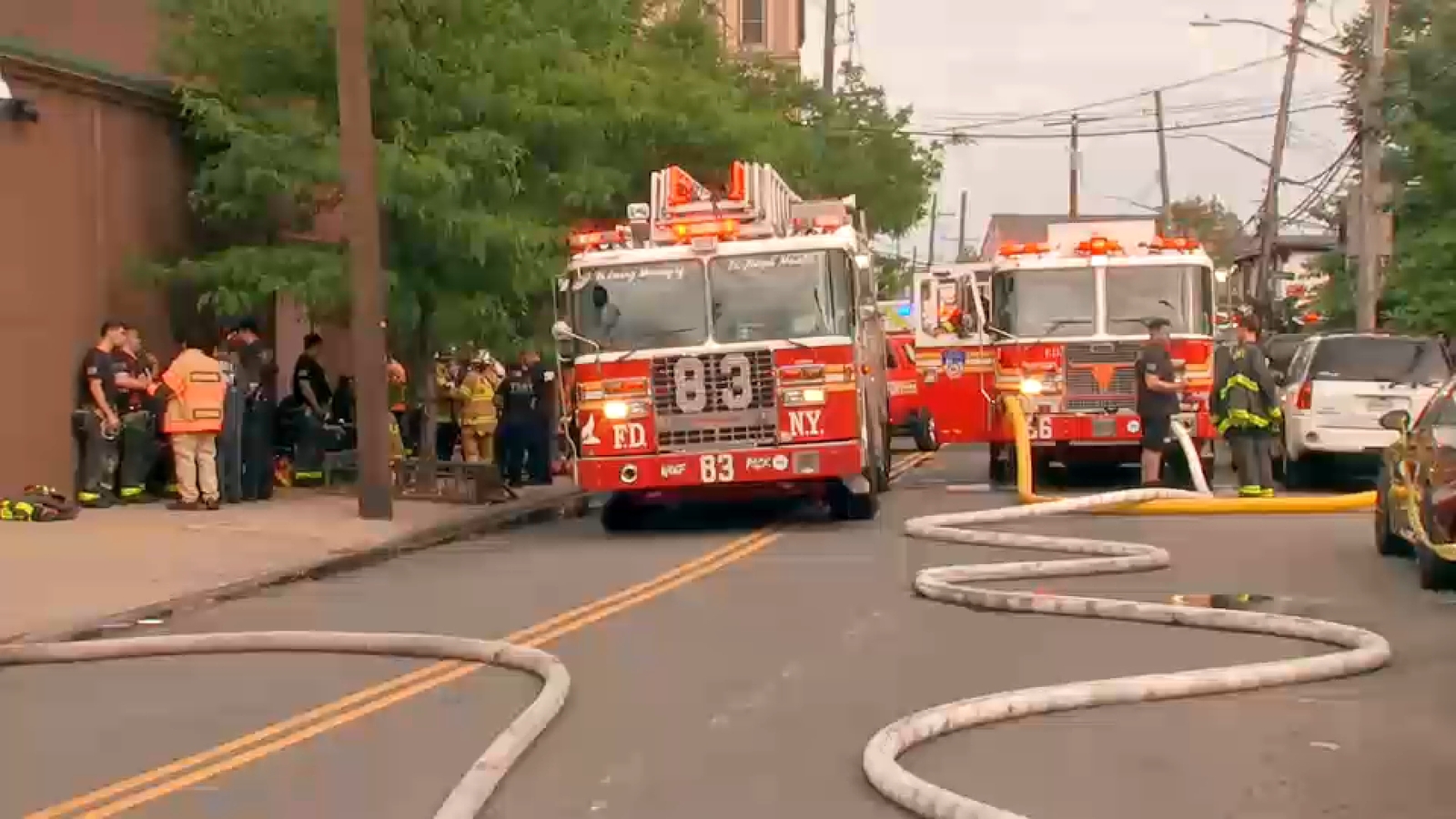
An explosion and fire at a Staten Island shipyard left 1 person dead and 35 injured, including firefighters, with one FDNY Fire Marshal in critical condition and another firefighter seriously injured. The incident involved workers in a confined space near a dry dock, and officials said the cause is still unknown. The event is tragic but likely limited in direct market impact, aside from potential operational, safety, or legal scrutiny for the shipyard involved.
This is a localized industrial-loss event with broader implications for marine logistics, municipal liability, and insurance rather than a direct equity read-through. The first-order market impact is likely to show up in elevated scrutiny of shipyard safety practices, confined-space protocols, and contractor oversight, which can widen perceived operational risk premiums across marine services, dredging, and dock-related maintenance names over the next several weeks.
The more interesting second-order effect is on service availability and project timing: even a short shutdown at a dockside repair basin can ripple through vessel turnaround schedules, tug/barge utilization, and port-adjacent maintenance backlogs. If regulators treat this as a systemic safety failure, expect a multi-month drag from inspections, permit reviews, and insurance repricing, especially for operators with heavy exposure to aging infrastructure and third-party contractors.
For public markets, the direct equity beta is muted, but the event reinforces a tail-risk profile for municipal insurers, excess casualty carriers, and contractors with weak loss histories. The key catalyst is not the investigation headline itself but whether it expands into litigation around subcontractor responsibility, environmental contamination, or equipment certification; that would convert a one-off accident into a longer-duration reserve and claims story.
Consensus may underappreciate how quickly an isolated industrial accident can create procurement delays in a thinly serviced asset class. If authorities restrict access or require remediation, the near-term beneficiary is competing repair capacity elsewhere in the Northeast, while the loser is the local ecosystem of marine contractors and logistics operators that depend on uninterrupted berth and dry-dock throughput.
AI-powered research, real-time alerts, and portfolio analytics for institutional investors.
Request DemoOverall Sentiment
strongly negative
Sentiment Score
-0.85
