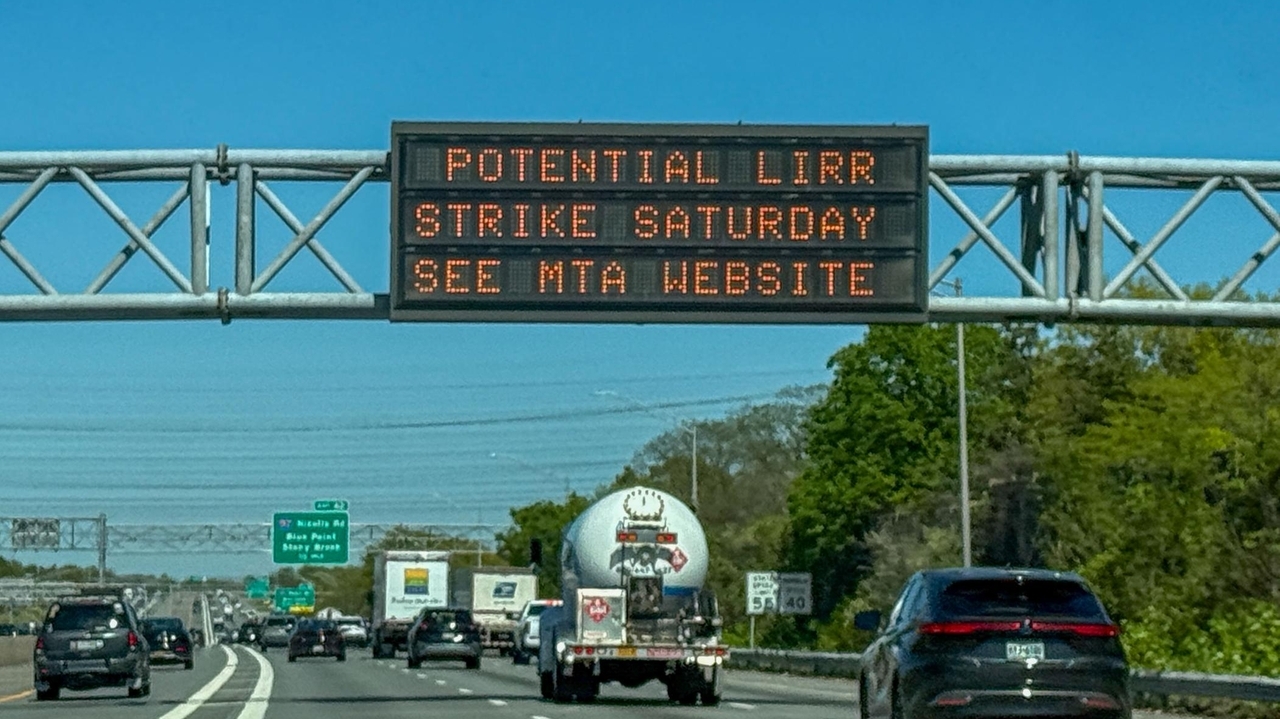
An MTA spokesperson said a deal could be reached Thursday to avoid a Long Island Rail Road strike, with workers otherwise able to walk off the job starting Saturday. The article highlights labor negotiations and potential transit disruption, but provides no resolution yet. Market impact is likely limited unless the strike actually occurs and extends service interruptions.
The key market read is not the strike itself but the optionality around a very short fuse: labor disruption risk over the next 24-72 hours versus a likely negotiated resolution that leaves little room for a durable repricing. That makes this more of a volatility event than a directionally large fundamental shock. The biggest second-order effect is on any commuter-dependent local economic activity and time-sensitive freight/logistics nodes that rely on predictable East Coast labor flow, but the damage window is too brief to matter for most public-market assets unless the dispute escalates past a weekend.
Consensus often overestimates the spillover into broader transportation names; in practice, road congestion, overtime costs, and localized productivity loss are the real near-term channels. If a deal lands quickly, the market impact should mean-revert fast because the underlying service interruption risk disappears before it can feed into contract renegotiation, wage inflation expectations, or prolonged rider migration. If talks fail, the pain is more political than financial: pressure will likely force an accommodation before there is any meaningful knock-on effect to asset managers, rail suppliers, or infrastructure contractors.
The contrarian angle is that these events can create better entries in the least affected names, not the obvious headline target. Averted strikes tend to leave behind a small “relief pop” in transit-exposed cyclicals and a temporary bid for volatility sellers, while the actual losers are mostly short-dated options buyers who overpay for gamma into an event with a high settlement probability. The only real tail risk is a breakdown that lasts multiple days and coincides with a broader risk-off tape, which would turn a local labor issue into a sentiment catalyst for transportation and municipal stress proxies.
AI-powered research, real-time alerts, and portfolio analytics for institutional investors.
Request DemoOverall Sentiment
neutral
Sentiment Score
-0.10
Ticker Sentiment
