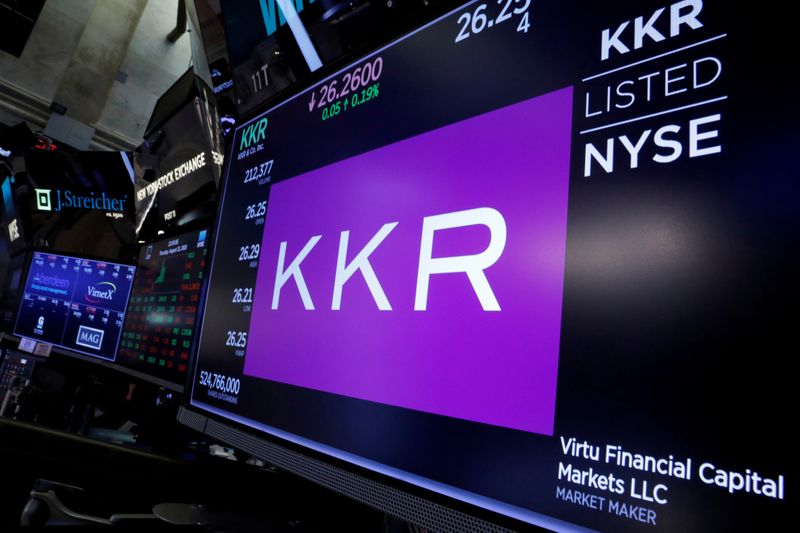
KKR said it will sell its remaining 10.57% stake in Kokusai Electric, triggering a sharp share drop of as much as 7% to 6,131 yen. The exit removes a major overhang but signals supply pressure on the stock in the near term. The broader story remains tied to AI-driven demand for semiconductor equipment, though this headline is primarily a flow event for the individual name.
KKR’s full exit is less about one stock and more about the supply overhang it removes from the Japanese semiconductor capex complex. In a tape already sensitive to factor de-risking, a private-equity seller signaling no residual strategic conviction can compress multiples for adjacent listed equipment names, especially those with similar liquidity profiles and AI-beta ownership bases. The first-order move is in Kokusai, but the second-order trade is a temporary valuation reset across the Japan semi-capex basket as fast money extrapolates more insider/PE distribution.
The more important medium-term question is whether this marks a top in the “AI manufacturing picks-and-shovels” trade or simply monetization after a strong rerating. If memory and logic capex keeps expanding into 2025, the fundamental demand backdrop still supports equipment vendors; however, the market may increasingly reward backlog visibility and aftermarket mix over pure AI narrative exposure. That favors names with higher recurring service revenue and less dependence on headline order momentum.
Near term, the risk is not earnings deterioration but flow-driven pressure lasting days to weeks: once a sponsor exit becomes a reference point, secondary-market buyers often demand a discount for future overhang risk. A reversal would likely require either a strong industry capex guide from a bellwether or an announcement that the block was absorbed cleanly by long-only institutions, which would short-circuit the “supply overhang” narrative. Over months, if AI infrastructure spend broadens beyond frontier logic into memory, packaging, and mature-node capacity, the sector should recover, but the market may rotate away from crowded single-name winners first.
Contrarian take: this is more likely a liquidity event than a thesis break. The sale can be read as KKR monetizing into strength rather than expressing a negative view on the end market, which means the best risk/reward may be in buying the dip selectively rather than shorting the entire theme.
AI-powered research, real-time alerts, and portfolio analytics for institutional investors.
Request DemoOverall Sentiment
mildly negative
Sentiment Score
-0.25
Ticker Sentiment
