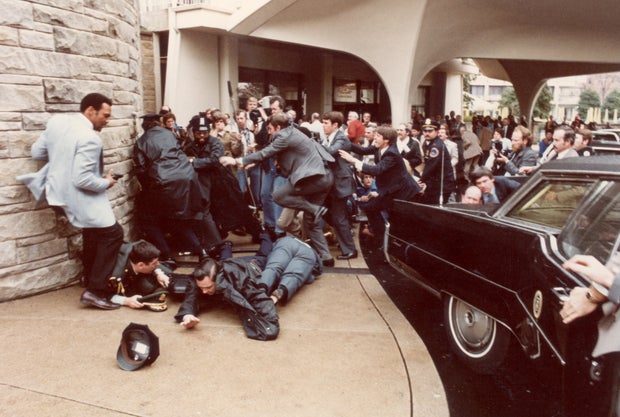
The article recounts the White House Correspondents' Dinner shooting incident at the Washington Hilton and places it in the context of presidential security history dating back to the 1981 Reagan assassination attempt. It notes that the hotel and Secret Service have since added security measures such as a bunker-like garage, magnetometers, and dedicated presidential access routes. The piece also references recent alleged attempts on Donald Trump's life, but the overall story is historical and political rather than market-moving.
The marketable asset here is not the headline violence itself but the renewed premium on security-heavy venues and event-dependent hospitality properties. Washington Hilton has an embedded option on presidential and D.C. political traffic; each elevated security event reinforces the moat around properties that can physically segregate motorcades, staff, and press. That benefits a narrow set of large urban convention hotels with retrofit-capable infrastructure, while raising compliance costs and friction for competitors that rely on open-access, high-throughput layouts.
Second-order, the bigger winner may be the security ecosystem rather than hotels: screening equipment, hardened access systems, and perimeter control vendors should see incrementally higher adoption as political operators seek to de-risk crowded venues. The demand impulse is not a one-day trade; it is a multi-quarter procurement cycle as agencies, event organizers, and campaign teams reprice the probability of disruption. That said, this is a classic “security spend after shock” setup, where revenue can accelerate before public attention fades, then normalize unless incidents recur.
For the political-travel overlap, the key risk is that repeated attempts compress the calendar for high-profile gatherings, which can shift volume into smaller, harder-to-secure sites or force more remote formats. That would be a subtle headwind for premium DC hospitality over the next 6-12 months even as it boosts adjacent security spending. The contrarian view is that the memo to own is not ‘more fear forever,’ but ‘better segmentation’: the most secure, best-located assets gain share, while undifferentiated luxury hotels and event venues see margin pressure from rising security overhead without pricing power to match.
AI-powered research, real-time alerts, and portfolio analytics for institutional investors.
Request DemoOverall Sentiment
neutral
Sentiment Score
-0.05
