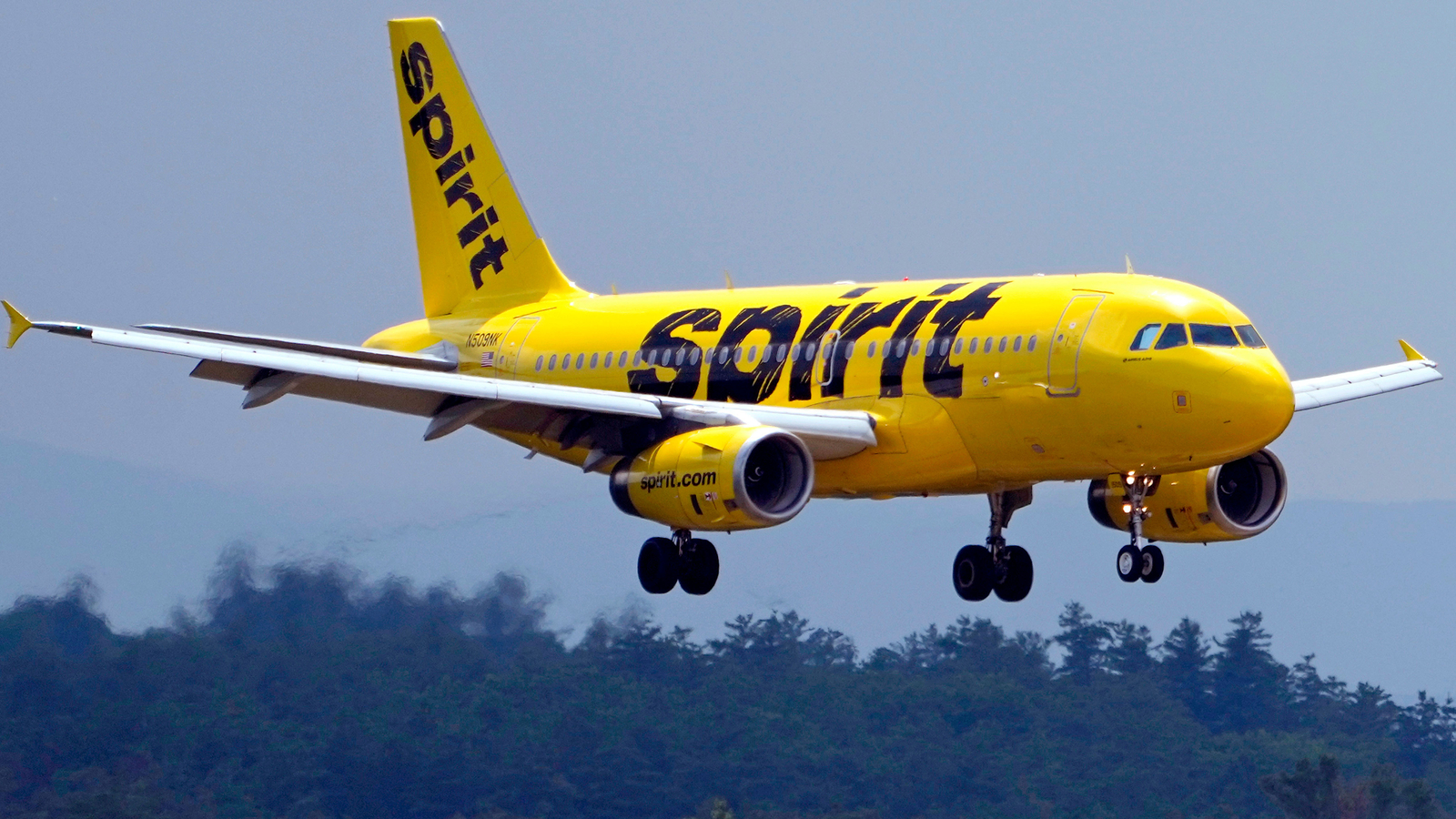
Spirit Airlines may cease operations after a $500 million rescue deal fell apart, according to the Wall Street Journal. President Trump said the administration is still evaluating whether to support the carrier and that a final proposal has been delivered, but no decision has been announced. The news raises acute going-concern risk for Spirit and could pressure the airline sector, though the direct market impact is likely company-specific.
The key issue is not the binary fate of one carrier; it is the signal that capital markets are no longer willing to underwrite structurally weak discounters without hard restructuring terms. If Spirit is forced into a wind-down or disorderly bankruptcy, the first-order winner is pricing power for the survivors on domestic leisure routes, but the bigger second-order effect is capacity rationalization across the low-cost segment, which can persist for several quarters because aircraft, crews, and slots cannot be reallocated frictionlessly. That should tighten yields on short-haul Florida, Caribbean, and secondary leisure markets first, with the benefit accruing unevenly to the better-capitalized airlines that can actually fill the vacuum.
The risk is that this becomes a broader read-through on balance-sheet stress in travel rather than a one-off rescue failure. A liquidation scenario would likely pressure less efficient ULCC peers through both sentiment and incremental competition for price-sensitive demand, while indirectly supporting airport operators, hotel chains, and even online travel agencies via re-routed demand and fewer fare wars. The timing matters: equity impact should show up immediately in airline multiples, but the fundamental pricing benefit is a 1-3 quarter story as capacity is removed and rivals reprice close-in inventory.
The market may be underestimating how asymmetric this is for the industry structure. A failed rescue can be bullish for the strongest incumbents because they can add capacity selectively without triggering a systemwide fare reset; that is more constructive for margins than a headline-grabbing bailout that preserves uneconomic supply. The contrarian angle is that the stock market often overreacts to airline distress headlines, but the survivors can actually see higher unit revenue and better load factors if they resist the temptation to chase volume.
AI-powered research, real-time alerts, and portfolio analytics for institutional investors.
Request DemoOverall Sentiment
strongly negative
Sentiment Score
-0.75
