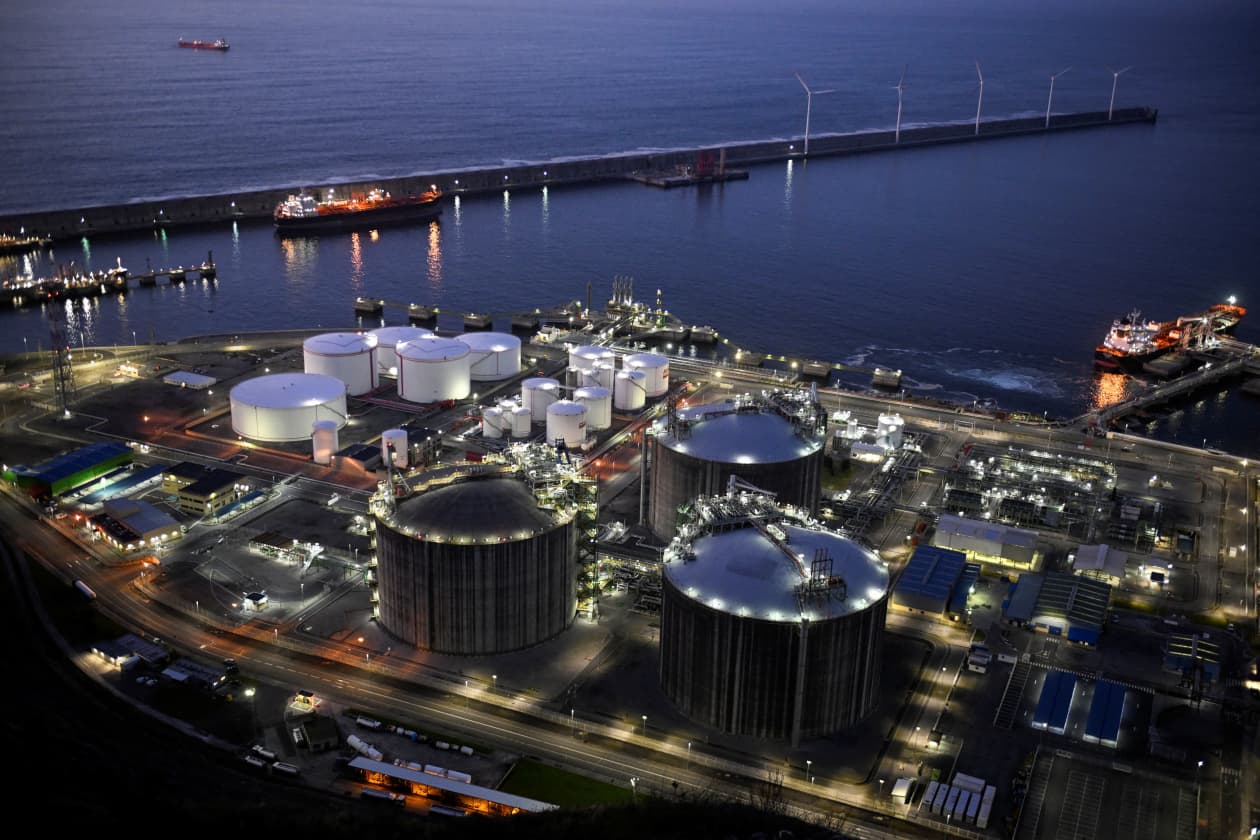
Global oil prices climbed back above $100 per barrel after a temporary U.S. waiver on sanctions for some Russian tankers failed to allay supply concerns. The waiver relates to 'phantom barrels' in floating storage, but disruptions to flows through the Strait of Hormuz continue to tighten markets and fuel price volatility.
Floating storage and de facto off-market inventory are acting like a hidden convenience yield: they tighten prompt availability while leaving headline volumes unchanged, which steepens near-term premium versus forward months and increases crack-spread volatility. Mechanically, that favors prompt crude/fuel sellers and anyone long front-month futures while penalizing players who hedge far-forward — expect calendar spreads to move materially and quickly as arbitrage pathways remain constrained.
Shipping and marine insurance are the immediate transmission mechanism to broader markets. Higher time-charter and spot VLCC/Suezmax rates and widened war-risk premia flow through to shipowners, brokers, and lenders; but exposure is asymmetric — owners of modern, insured double-hull tonnage and balance-sheet-light operators capture most upside, whereas older, high-leverage owners and banks with near-term covenant resets are vulnerable to a sharp unwind.
Regional refiners and product markets will see divergent outcomes: refiners with advantaged domestic feedstock and light-product slates (petchem/diesel heavy) can earn outsized margins from dislocations, while complex import-dependent refiners face margin compression and higher logistics costs. Product-specific tightness (diesel/gasoil) is likelier than a uniform gasoline spike, creating idiosyncratic opportunities in trading and hedging refined products.
Catalysts that could reverse the move are discrete and fast: insurance market rulings, diplomatic de-escalation, or a coordinated emergency release that restores physical arbitrage — these operate on days-weeks; more structural fixes (new pipelines, rerouting) take months. The consensus is pricing in a sustained premium; that may be overdone if the market re-routes crude flows or if storage holders monetize via staggered sales, so size positions with tight, event-driven exits and explicit hedges.
AI-powered research, real-time alerts, and portfolio analytics for institutional investors.
Request DemoOverall Sentiment
mildly positive
Sentiment Score
0.15
