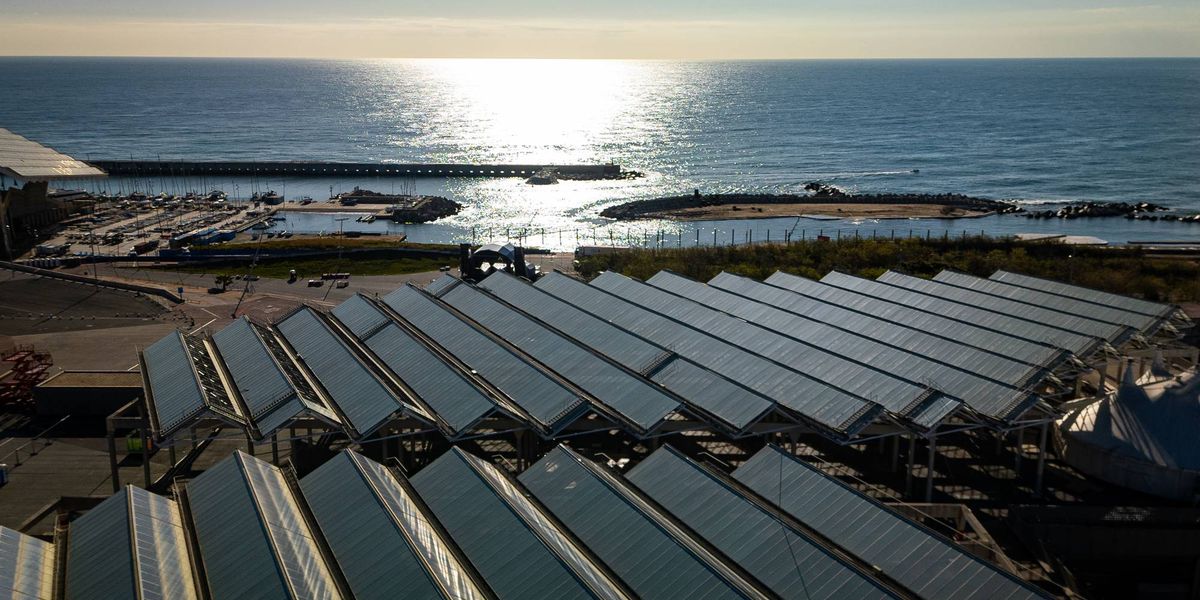
US average gasoline prices jumped from about $2.98 before the Iran conflict to $4.48 by Tuesday, with prices nearing $5 per gallon as Strait of Hormuz disruptions tightened global oil and LNG shipping. The article says the US saw a roughly 42% gas-price increase from Feb. 23 to Apr. 27, the fifth-highest globally, while countries with more nuclear, hydro, or renewable power such as France, Spain, and Albania were more resilient. The piece argues the shock underscores energy-market vulnerability, inflationary pressure, and the relative price stability benefits of renewables.
The market implication is less about headline crude direction and more about the spread between globally priced fuel inputs and domestically constrained end-demand. When gasoline outruns crude, refiners, distributors, trucking fleets, airlines, and consumer discretionary all get hit before headline CPI fully registers, which creates a short-lived but tradable margin squeeze across transport and retail. The second-order winner is not just “energy” in the abstract; it is electric utilities, grid equipment, nuclear, and select renewables where the fuel-cost advantage becomes a political and corporate budgeting argument, not just an ESG one.
The bigger medium-term signal is that war-driven energy shocks are accelerating a capex rotation: Europe’s policy response likely increases order books for offshore wind, transmission, storage, and industrial electrification vendors even if near-term equity multiples stay compressed. In the U.S., the irony is that lower renewable penetration increases inflation sensitivity, so banks and consumer lenders face a slower-growth, higher-input-cost mix rather than a simple commodity bull market. That matters because a gasoline-led inflation impulse typically is bad for the broad tape: it pressures real incomes, reduces travel/retail spend, and keeps the Fed boxed in if expectations start to reprice.
The contrarian point is that the move may be overextended in the very near term if the market is already pricing a persistent Strait-of-Hormuz disruption. Any ceasefire, shipping corridor workaround, or SPR release would compress the panic premium quickly, especially in U.S. retail gasoline. So the cleanest setup is not chasing crude beta; it is owning beneficiaries with structural fuel-cost insulation and shorting the parts of the consumer and transport complex most exposed to margin compression.
For banks, the impact is mixed but slightly negative: card volumes may rise nominally, but credit stress from lower real incomes can lag by one or two quarters. JPM itself is not a direct winner/loser from the article, but rising volatility and inflation uncertainty generally steepen trading opportunities while increasing consumer credit risk. The setup argues for a more defensive stance on cyclical financials and a selective tilt toward infrastructure-linked clean-energy capex beneficiaries.
AI-powered research, real-time alerts, and portfolio analytics for institutional investors.
Request DemoOverall Sentiment
strongly negative
Sentiment Score
-0.55
Ticker Sentiment
