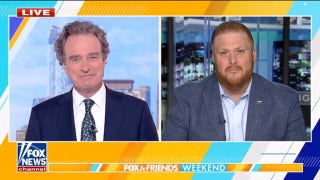
Asheville reported 824 people experiencing homelessness in its latest 2026 Point-in-Time count, up 9.1% year over year, with 334 unsheltered residents. The article ties worsening downtown safety, panhandling, and public intoxication to long-running policy choices, police staffing down 40% from retirements and resignations, and disruption from Hurricane Helene. City officials say they have launched a Downtown Plan to double patrols and expand outreach, while federal relief efforts and HUD housing aid total $1.4B.
The investable read-through is not a municipal headline but a regional balance-sheet stress test: disorder suppresses downtown capture rates, weakens labor retention, and delays any post-storm demand rebound for hotels, restaurants, and local retail. The second-order effect is that recovery dollars can become more inflationary than restorative if they funnel into temporary services rather than durable infrastructure, pushing operating costs up for small businesses while leaving foot traffic fragile. That dynamic favors larger, better-capitalized lodging and retail operators outside the hardest-hit core over downtown-exposed independents.
The more important catalyst is timing: the next 1-2 quarters are likely to show a split between headline aid flows and real economic normalization. If safety perceptions do not improve quickly, the city risks a self-reinforcing loop where tourists choose shorter stays, lower-spend segments replace families, and insurance/municipal costs rise faster than tax receipts. That is a negative setup for any asset class tied to local discretionary spend and a modest positive for public-safety vendors, private security, and contractors with disaster-response exposure.
The contrarian view is that the market may be overestimating how durable the decline in Asheville-specific travel demand will be. Mountain leisure destinations often recover faster than metros once visible enforcement improves, because the underlying destination appeal is intact and replacement demand is strong within 3-6 months of a perceived inflection. The key variable is not rhetoric but a measurable reduction in nuisance crime and a stabilization in unsheltered visibility; if those improve, the narrative can reverse quickly and the recovery trade is viable.
AI-powered research, real-time alerts, and portfolio analytics for institutional investors.
Request DemoOverall Sentiment
moderately negative
Sentiment Score
-0.35
