
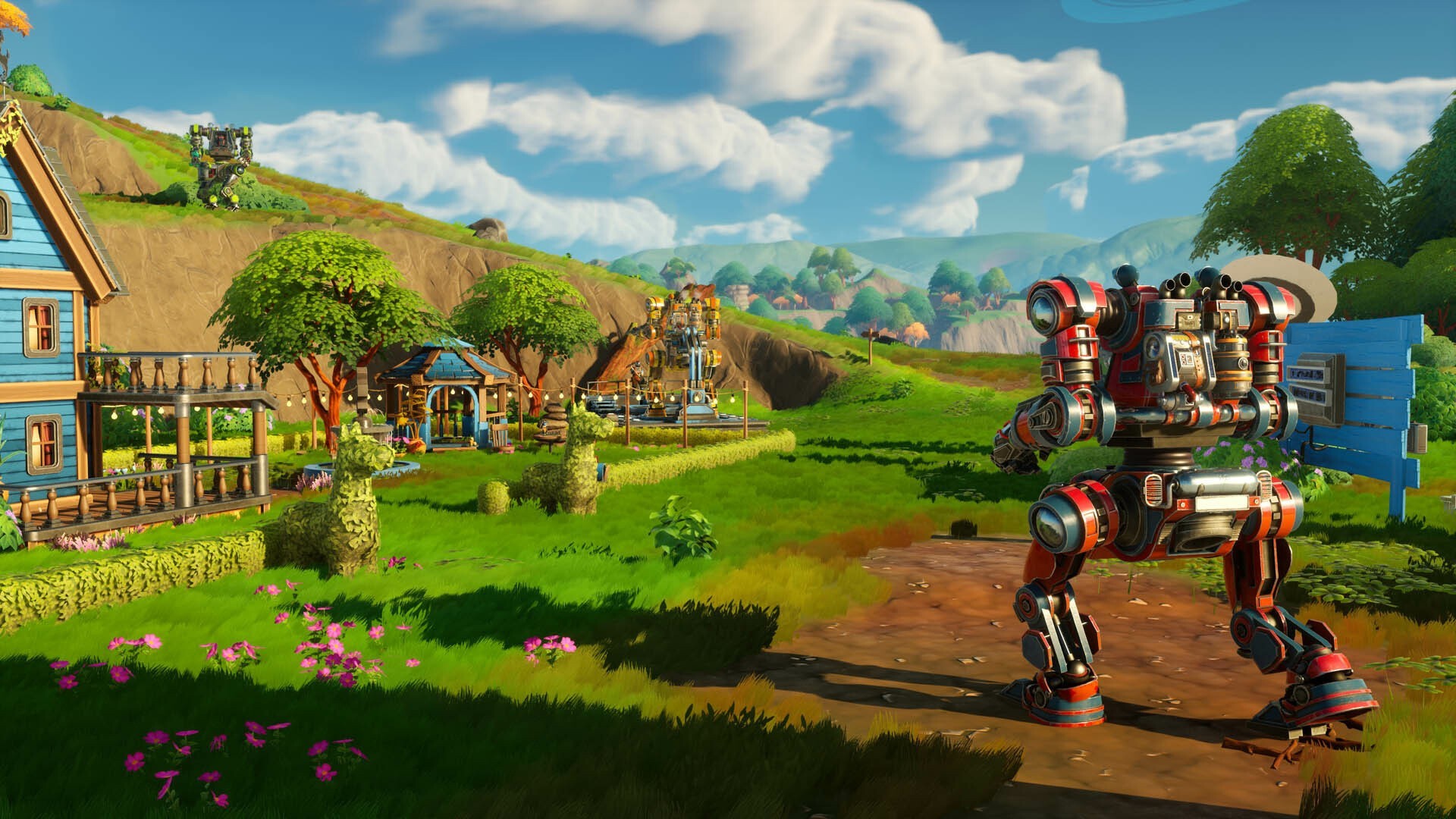
Microsoft disclosed a set of titles scheduled to leave Xbox Game Pass on March 15, 2026, including Bratz: Rhythm & Style (which joined in December 2025), Enter The Gungeon, F1 23 (EA Play), He Is Coming, Lightyear Frontier, and Mythwrecked: Ambrosia Island. Microsoft is offering at least 20% discounts on these titles through their removal date and continues to add content to the service (e.g., Kingdom Come Deliverance 2), indicating limited near-term commercial impact on Game Pass subscriber value or Microsoft's wider financial picture.
Market structure: The Game Pass removals are a routine content churn event that slightly reduces near-term subscriber perceived value but doesn’t threaten Microsoft’s pricing power; the titles exiting (Enter The Gungeon, F1 23, etc.) are non-flagship so expect <1–2% incremental churn risk vs. baseline. Publishers with back-catalog monetization (EA for F1 23) get a small tailwind to full-price or discounted standalone sales; indie studios lose Game Pass discovery and may see short-lived spikes in direct sales when removed. Competitive dynamics: rotating catalogue keeps Game Pass economically efficient by pruning low-engagement/licensed titles, preserving margin per subscriber — expect Microsoft to reallocate licensing spend to 1–2 tentpole exclusives per year to drive net additions. This maintains MSFT’s leverage vs. Sony/Nintendo on bundling and cloud reach, preserving content bargaining power over 12–24 months.
Risk assessment: Tail risks are low-probability but material — a misclassification or contract dispute (e.g., removal errors like Bratz re-added/removed) could trigger negative PR and a small subscriber hit; regulatory scrutiny of bundling is a multi-year risk but unlikely to move near-term metrics. Immediate (days) impact: sentiment blips only if multiple high-profile titles exit; short-term (weeks/months): watch monthly Xbox subscriber and engagement data for a 0.5–1% churn signal; long-term (quarters/years): content cost optimization could improve margin contribution to Cloud + Gaming by 50–150 bps. Hidden dependencies: Azure gaming backend economics and third-party licensing renewals are opaque and can amplify costs if Microsoft pursues more first-party content.
Trade implications: Primary direct play is MSFT (ticker MSFT): content churn is not an earnings catalyst but creates buy-on-dip setups; consider small opportunistic add if shares drop >3% on Game Pass headlines, target 6–12% in 3–9 months, stop 6%. Secondary: EA (EA) may see marginal uplift from catalog rotation of F1 23 — consider a tactical 1–2% long if EA underperforms peers in next 30 days with a 3-month horizon. Options: sell a small portion (20–30% of intended position) of near-term implied vol for MSFT (30-day iron condor) if IV spikes after headline noise; conversely buy cheap 6–12 month LEAPS calls on MSFT if conviction in long-term Game Pass monetization (size 1–2% equity).
Contrarian angles: Consensus downplays the arithmetic benefit of pruning low-engagement titles — fewer low-play titles can lift average engagement per dollar of content spend by an estimated 5–10% annually, which could translate to 1–3% EPS uplift over 12–24 months. Reaction to these specific removals is likely underdone; a headline-driven 2–4% MSFT sell-off would be a buying opportunity, not a signal to short the platform. Historical parallels: Netflix’s catalog churn produced episodic subscriber noise but improved content ROI; expect similar dynamics here. Unintended consequence: aggressive pruning could irritate niche communities and raise developer relations risks — monitor developer/platform APIs and third-party licensing renewals over the next 6–9 months as a reversal catalyst.
AI-powered research, real-time alerts, and portfolio analytics for institutional investors.
Request TrialOverall Sentiment
neutral
Sentiment Score
-0.05
Ticker Sentiment
