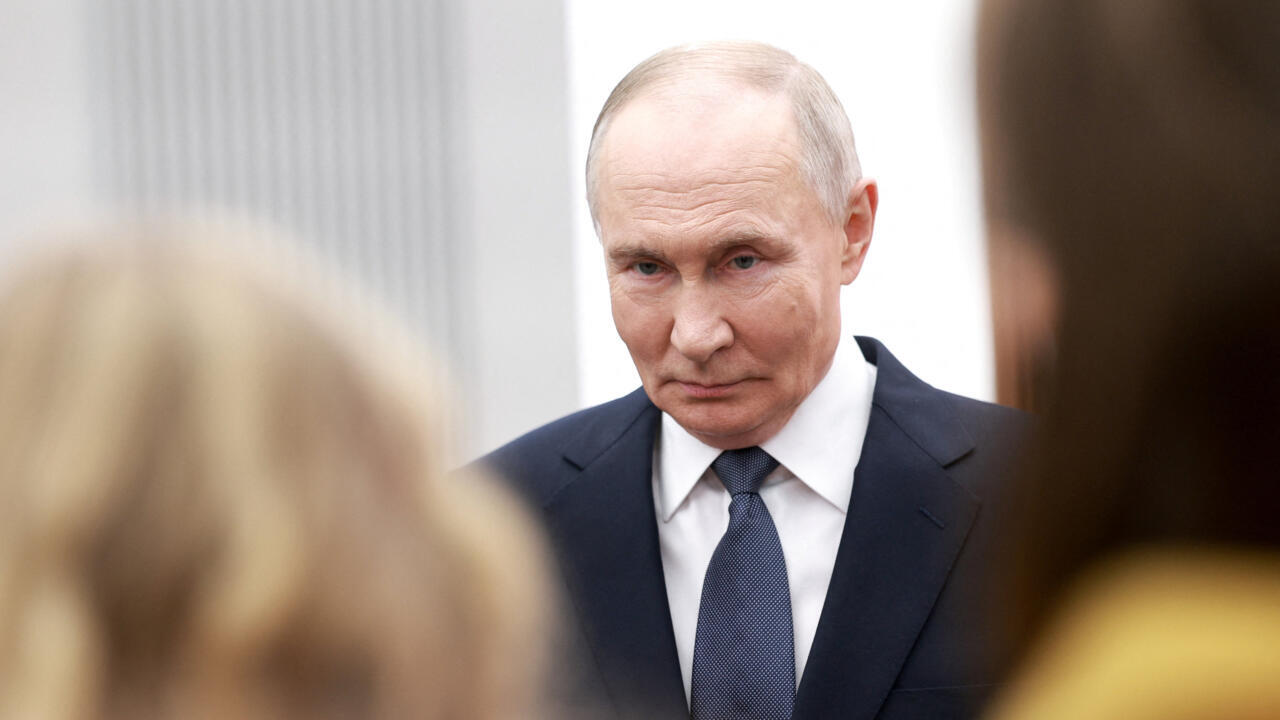
Tensions remain elevated as Moscow says it cannot accept certain points of a US-backed Ukraine peace proposal after five-hour talks, while US envoys continue negotiations; Putin called the discussions 'useful' but contentious. Key policy moves increase market risk: the EU agreed to phase out Russian gas by September 2027 and ban LNG imports by end-2025, Brussels is considering using frozen Russian state assets to finance Ukraine (sparking debate over shared risk), and the US Treasury partially suspended sanctions to allow Lukoil-branded stations abroad to operate. Military and infrastructure disruptions persist — German jets were deployed to Poland, Russia reported strikes on Ukrainian transport and energy sites, and regional power/heat outages were reported — heightening downside risk for European energy markets and geopolitical-sensitive assets.
Market Structure: The immediate winners are defence contractors and commodity exporters while European energy importers, regional banks and Russian-facing corporate borrowers are losers. Expect upward pressure on commodity prices (oil + gas) and renewed outperformance in defense capex names; European utilities face margin compression and potential credit stress if gas access tightens. Cross-asset: safe-haven flows should keep core sovereign yields compressed while EM and CEE sovereign spreads widen; FX should see EUR weakness and RUB episodic volatility.
Risk Assessment: Tail risks include (1) Russian retaliation to EU asset seizures—energy cutoff or cyberattacks; (2) an unexpected negotiated ceasefire that removes premium from defense/commodities. Near-term (days–weeks) volatility spikes around diplomatic meetings; medium-term (3–12 months) material re-pricing if EU implements asset-to-loan plan or fully phases out Russian gas by 2027. Hidden dependencies: legal timelines for frozen-asset repurposing, insurance/liability knock-on for shipping and reinsurance.
Trade Implications: Primary actionable plays are long US defense equities and commodity exposure, short select European utilities/transport, and USD/gold hedges. Use options to buy convexity around diplomatic catalysts (buy calls on defence, short-dated strangles on European gas/utility names). Rotate out of cyclical Europe financials/CEEs into energy infrastructure and LNG exporters over 3–12 months.
Contrarian Angles: Consensus treats prolonged war as binary; the market underestimates a phased political solution that could cause sharp snap-backs in defense and energy. Conversely, seizure of frozen assets is likely to be messy and litigated for 6–18 months — pricing in immediate transfer is overdone. Historical parallel: 2014 sanctions’ slow legal pathway suggests multi-quarter execution risk and opportunities to fade knee-jerk moves.
AI-powered research, real-time alerts, and portfolio analytics for institutional investors.
Request DemoOverall Sentiment
moderately negative
Sentiment Score
-0.50
