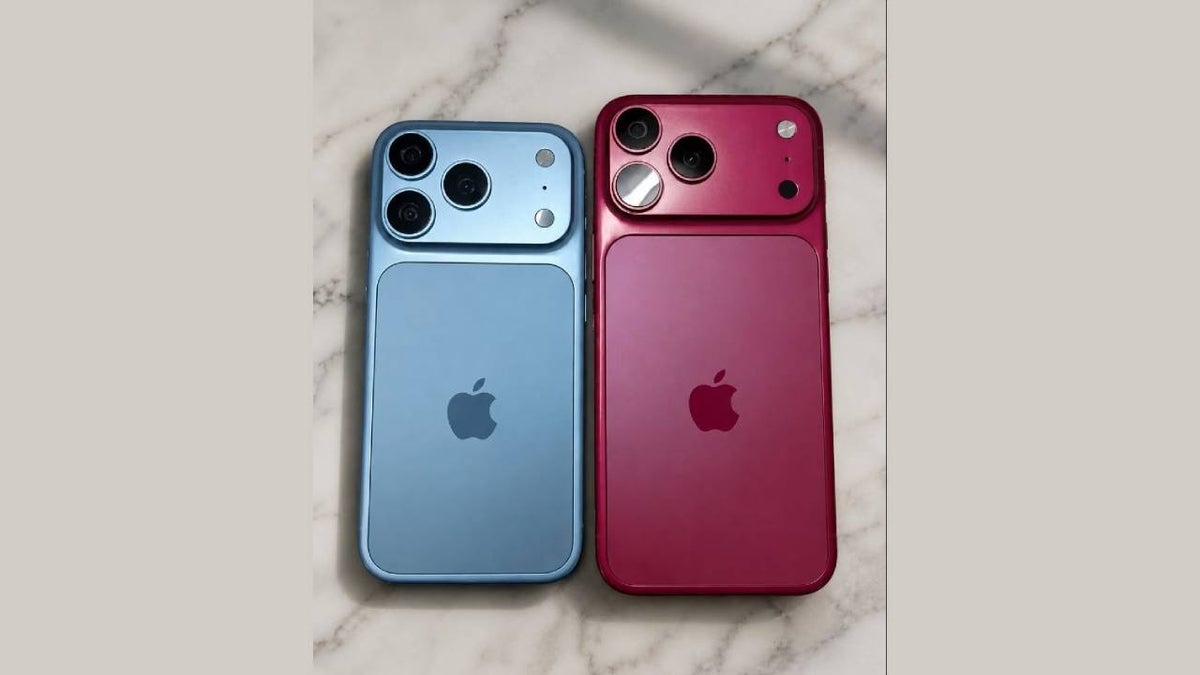
Apple’s iPhone 18 Pro, iPhone 18 Pro Max, and foldable iPhone are most likely to debut on September 8, with September 9 as the backup date, according to Bloomberg’s Mark Gurman. The article also highlights potential $200-$300 price hikes tied to AI-driven memory-chip shortages, which could weigh on consumer demand despite upgraded features such as a 2nm chipset and longer battery life. Overall, the piece is more about launch timing and pricing risk than any immediate financial catalyst.
The market is likely underpricing the distinction between a routine iPhone refresh and a meaningful ASP reset. If Apple does push through a larger-than-normal price increase while keeping unit expectations intact, the near-term winner is gross margin optics, not necessarily unit growth; the loser is the ecosystem of high-attachment consumers who typically finance upgrades and can stretch cycles when the device looks incrementally better but materially more expensive. That raises a second-order risk for carriers and channel partners: promotions may need to become more aggressive to preserve upgrade rates, compressing subsidy economics into the holiday quarter.
The more interesting trade is not the launch date itself but the setup into the event window. A September reveal with a mid-September ship date can support a short-lived sentiment pop in AAPL, but if pricing chatter intensifies before preorders, the stock may trade more like a margin-quality story than a unit-growth story. In that scenario, suppliers exposed to premium handset content could see a muted reaction unless BOM inflation is offset by higher content per device; memory and camera-adjacent names face the paradox of stronger revenue per unit but weaker volume elasticity if end-demand stalls.
On the AI side, the key market miss is that handset AI remains a feature enhancer, not a replacement-cycle accelerant. That means Google’s Gemini integration is more likely to be a defensive moat for Apple’s user experience than a material catalyst for Android share gains in the next 2-4 quarters. The contrarian risk for bears is that Apple can absorb a $100-200 price move better than the market expects because its buyer base is financing-sensitive, not cash-sensitive, and the brand can convert sticker shock into mix shift toward higher storage/configurations.
Over a 3-6 month horizon, the cleanest setup is likely a volatility event around the launch window rather than a durable trend change. If the market begins to fade the move on concerns about demand elasticity, that creates an opportunity to fade overdone downside while staying alert for a carrier-promotion-led downgrade cycle that could spill into the broader consumer tech complex.
AI-powered research, real-time alerts, and portfolio analytics for institutional investors.
Request DemoOverall Sentiment
mixed
Sentiment Score
-0.10
Ticker Sentiment
