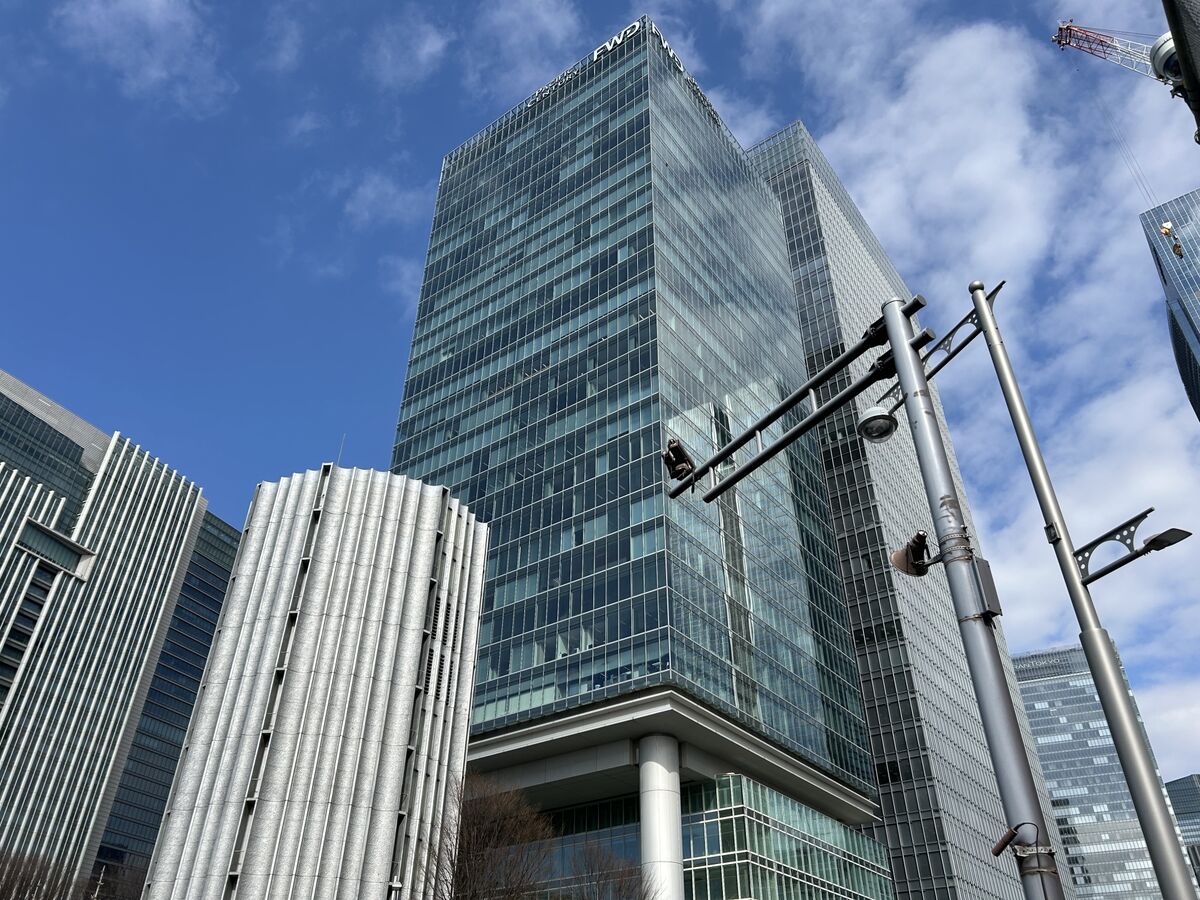
Kenedix has submitted a bid of about ¥230 billion ($1.4 billion) for office floors in Pacific Century Place Marunouchi, and GIC has granted it first negotiation rights. Talks are ongoing and there is no certainty a deal will be reached. The update is a private real estate transaction and is unlikely to have broad market impact.
This looks less like a one-off trophy asset trade and more like a signal that large-cap Japanese office real estate is re-entering a monetization window after a long period of compressed cap rates. The second-order beneficiary is not the seller but the financing ecosystem: banks, mezz lenders, and REIT managers get a clearer mark-to-market reference, which can revive transaction velocity across prime Tokyo offices over the next 3-6 months. If the bid closes near the indicated level, expect incremental pressure on private market NAVs to reprice upward, but only selectively in Grade A assets with deep tenant demand and low vacancy.
The key risk is that this is still a bilateral negotiation, so headline value should not be confused with realized clearing price. If financing costs remain elevated or occupier demand softens, the deal can fail without implying broad sector weakness; that would actually be more bearish for sentiment than fundamentals because it would reinforce the notion that liquidity is thinner than public comps suggest. Over a 6-12 month horizon, the market’s real focus is whether this becomes a template for more sponsor exits or remains an isolated balance-sheet optimization event.
The contrarian angle is that a successful deal could be mildly negative for listed J-REITs in the short run: asset-level pricing support sounds bullish, but it can also cap upside by inviting supply from opportunistic sellers and tightening acquisition yields. In that setup, the best risk/reward is not to chase the office beta outright, but to own names with external growth levers and cheaper funding costs versus those most exposed to cap-rate compression. If the transaction breaks, use any dip to buy high-quality Tokyo office exposure only if vacancy and leasing indicators stay stable, because the failure would likely be about price, not the underlying asset class.
AI-powered research, real-time alerts, and portfolio analytics for institutional investors.
Request DemoOverall Sentiment
neutral
Sentiment Score
0.05
