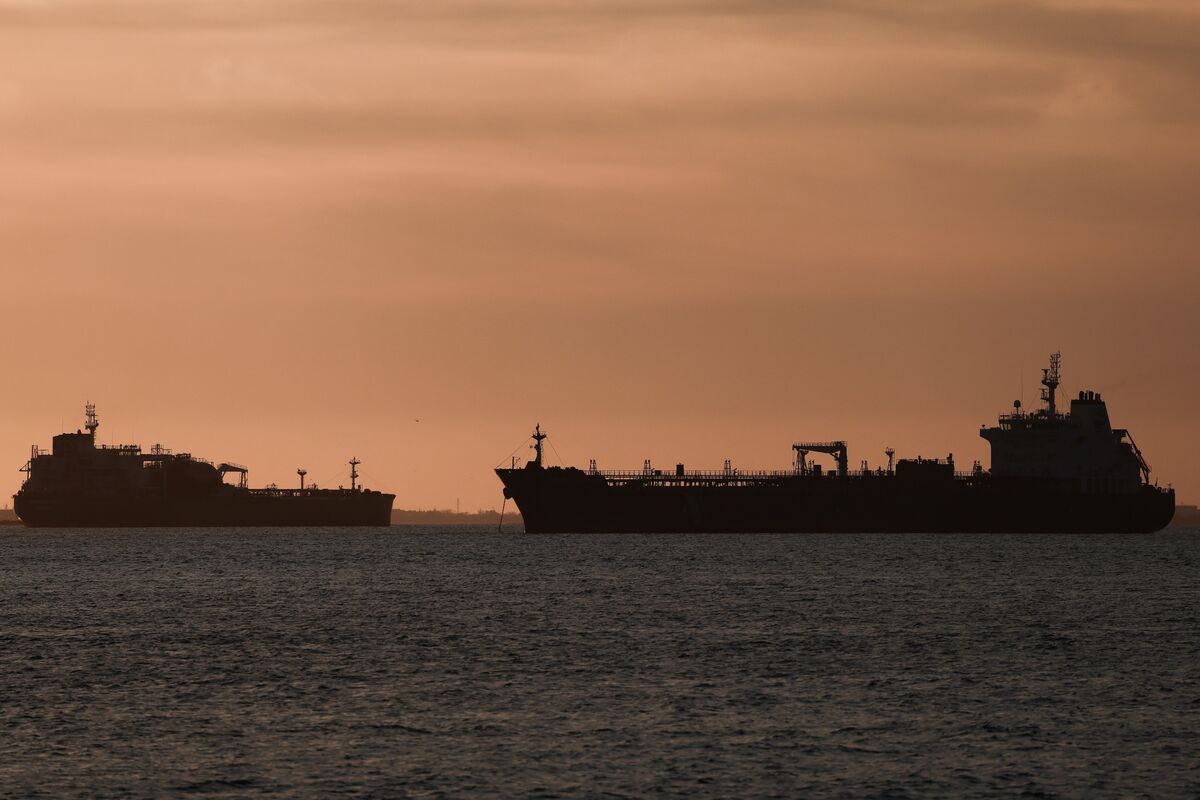
A Pakistani tanker, Karachi, transited the Strait of Hormuz on Sunday via the narrow gap between Larak and Qeshm hugging the Iranian coast, followed by two bulk carriers on Monday. The repeated use of a coast-hugging route signals an Iran-approved corridor and suggests Tehran is tightening control of the chokepoint, even as the US seeks to assert control. The development raises shipping safety risks (ships switching off transponders) and could increase insurance and logistical costs, with potential knock-on effects for regional oil flows and related markets.
Iran’s de facto control of a formalized coastal corridor is creating a durable risk premium that will show up in three measurable places: insurance/warrisk pricing, voyage days, and bunker consumption. Expect war-risk/strait transit premiums to rerate higher by 50–200% in the first 2–8 weeks if a handful of large customers (state charters, national oil companies) demand guaranteed safe passage; that adds 1–3% to delivered petroleum costs and meaningfully widens clean/tanker spreads.
Shipping economics will bifurcate: owners of large tanker capacity (VLCC/Suezmax) gain optionality as fixed-route chokepoint risk pushes cargoes to larger, longer-haul liftings — VLCC time-charter equivalent rates can rise 20–60% in 1–3 months under sustained elevated premiums, while container lines face margin compression from longer itineraries and higher demurrage/insurance. Over 6–24 months, regional infrastructure (alternate ports, transshipment hubs, private security) will capture recurring fees, effectively monetizing Tehran’s leverage unless diplomatic/US naval coordination reduces perceived risk.
Tail risks are asymmetric: a short, sharp kinetic escalation (days–weeks) could spike crude and freight rates far beyond insurance-driven moves, whereas a diplomatic thaw or coordinated naval freedom-of-navigation campaign could compress the premium within 1–3 months. The market consensus underprices the ease of operational adaptation — AIS darkening, night transits and speed changes blunt immediate supply shocks, so the most profitable window is the first 30–90 days where fear-driven premiums and rebooking friction dominate liquidity and contract rollover dynamics.
AI-powered research, real-time alerts, and portfolio analytics for institutional investors.
Overall Sentiment
mildly negative
Sentiment Score
-0.25
