
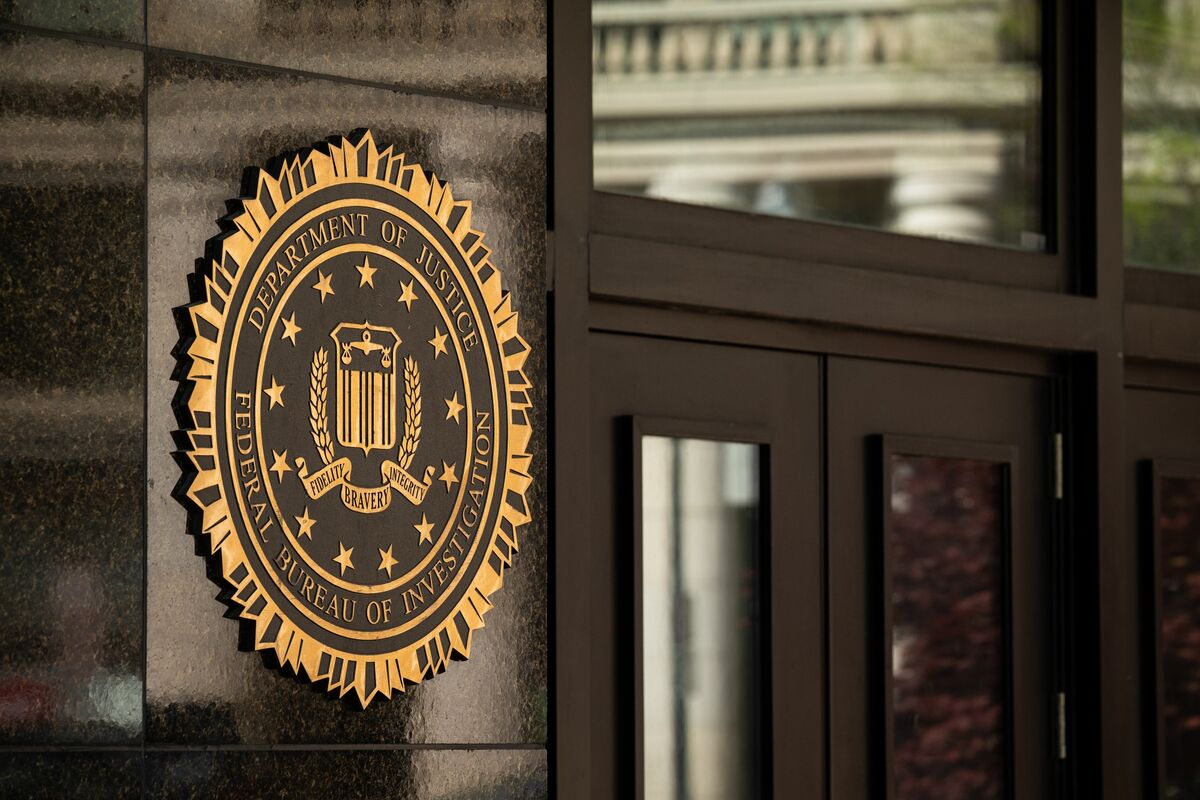
The FBI/DOJ action described involves the FBI taking over websites belonging to Alarum Technologies Ltd. The article frames the move as part of a crackdown on proxy networks, which raises compliance and reputational risk for affected cybersecurity/hosting operators. No quantified financial impact or company financial metrics were provided in the excerpt.
This is a model-risk event, not just a company-specific headline. The market should treat it as a warning that revenue built on proxy/IP rotation has a fragile regulatory moat: once enforcement shifts from nuisance to asset seizure, customer acquisition gets harder, churn rises, and enterprise buyers demand compliance warranties that compress gross margins. The near-term loser is the named small cap, but the second-order hit is broader: any adjacent provider monetizing residential bandwidth or web-scrape infrastructure now faces a higher cost of capital and more legal diligence from counterparties.
The immediate reaction is likely a liquidity-driven de-rating over days, but the more important catalyst path is 1-3 months, when investors look for disclosure on account attrition, legal spend, and whether payment processors/cloud hosts tighten terms. If the business model is materially tied to a few high-risk use cases, even a modest customer exodus can produce an outsized revenue air pocket because fixed operating leverage is high in small-cap security/data names. Over 6-18 months, this kind of enforcement can force the industry toward consolidation around better-capitalized incumbents or push customers to in-house tooling and first-party data alternatives.
The contrarian view is that the market may overestimate immediate financial damage if only a subset of websites were impacted and the company can re-route traffic or rebrand. But unless management can show no deterioration in bookings or a clean legal path for the proxy assets, the burden of proof has shifted to them. The thesis is falsified if the next filing shows stable customer counts, no reserve build, and no change to forward guidance; absent that, this is a sell-the-rally setup rather than a dip-buy.
AI-powered research, real-time alerts, and portfolio analytics for institutional investors.
Request TrialOverall Sentiment
mildly negative
Sentiment Score
-0.15
Ticker Sentiment
