

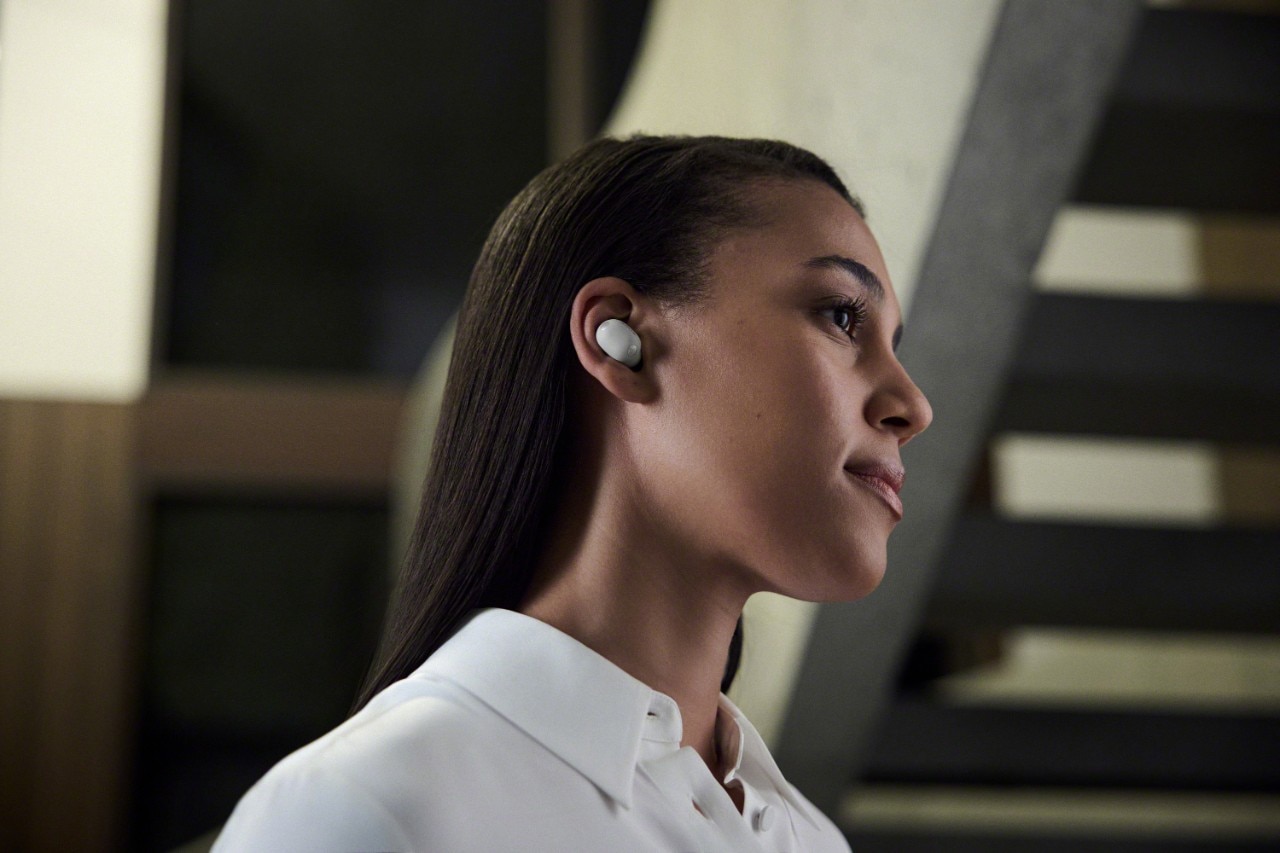
Sony’s WF-1000XM6 earbuds are positioned as a differentiated product launch, with the article highlighting a more intentional, presence-driven design versus the industry’s move toward invisibility. The piece is broadly favorable on Sony’s aesthetic strategy, but it also notes practical drawbacks such as a larger case and bulkier fit. Market impact should be limited, as this is primarily a product/design review rather than a financial or operational update.
SONY is signaling a deliberate repositioning away from commoditized “good enough” hardware and toward premium differentiation. That matters because true product distinctiveness is one of the few ways a mature consumer-electronics brand can defend gross margin against a China-led feature race; if the market perceives the new line as more identity-rich rather than merely spec-upgraded, Sony can slow promo intensity and improve mix over the next 2-3 quarters.
The second-order winner is not just Sony hardware revenue, but its ecosystem leverage. A more premium, more visible wearable increases the odds of cross-sell into TV, mobile, gaming, and audio accessories, while also reinforcing brand heat among younger consumers who increasingly use “anti-AirPods” design as a signaling device. That creates optionality for retail sell-through and lowers reliance on pure channel discounting, though it also raises the risk that fit/comfort complaints trigger return rates if the design over-rotates toward form.
For AAPL, the threat is not feature displacement; it is category complacency. Apple’s moat remains distribution and integration, but when a category becomes aesthetically stale, share can erode at the margin among high-intent buyers who care about differentiation more than seamlessness. The better short-term read is that Sony’s move may widen the premium TWS market rather than steal share immediately, but over 6-12 months it can pressure Apple to refresh design language faster than planned.
The contrarian angle: consensus may be underestimating how much differentiation matters once a product category saturates. But the market may also be overpricing the revenue impact if the industrial-design signal doesn’t translate into sustained repeat purchase and lower returns. The key catalyst window is the next two earnings/retail cycles, when sell-through, ASPs, and accessory attach rates will show whether this is a branding win or just a well-reviewed niche item.
AI-powered research, real-time alerts, and portfolio analytics for institutional investors.
Request TrialOverall Sentiment
mildly positive
Sentiment Score
0.15
Ticker Sentiment
