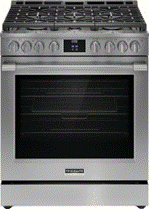
About 174,800 U.S. Frigidaire gas ranges (plus ~5,300 in Canada) are being recalled for delayed ignition of the oven bake burner; CPSC/Electrolux report 62 incidents including 30 burn injuries. Electrolux will provide free in-home replacement of the bake burner and consumers are instructed to stop using the ovens (cooktops remain usable); affected serials are VF52200000–VF54399999 across multiple Frigidaire models. Financial impact is likely limited to repair and reputational costs but could pressure near-term margins for Electrolux.
This recall functions less like a one-off expense and more like a multi-part operational tax: scheduling and executing in-home repairs at scale forces elevated field labor utilization and spare-parts inventory over the next 4–12 weeks, which will compress dealer/service margins and raise working capital needs for the OEM and its installer partners. The more durable impact is reputational — in categories where safety matters, risk-averse consumers accelerate drift toward alternative technologies (electric induction) and brands perceived as “safer,” producing a modest but measurable share shift over 3–12 months that benefits competitors with strong electric portfolios.
Regulatory follow-through is the key second-order vector. A high-profile CPSC action here increases the probability of tougher certification/testing requirements for gas appliances over the next 12–24 months, raising fixed costs for all manufacturers and creating a regulatory moat for large incumbents who can amortize compliance; smaller players and low-margin importers are most vulnerable. Litigation tail risk is concentrated in two windows: near-term consumer lawsuits tied to reported injuries (weeks–months) and longer-latency class actions over alleged design defects that could surface in 6–24 months, both of which could drive reserve charges and compress margins more than the headline repair cost.
Operational winners are not limited to rival OEMs. Retailers and installation/service platforms will see incremental revenue and cross-sell opportunities in the near term, and aftermarket parts channels can monetize demand for certified replacement components and labor. However, the market often over-weights immediate headlines; if the OEM executes free, rapid in-home fixes and communicates effectively, most of the negative earnings impulse will be concentrated in a single quarter rather than producing a multi-year share decline, creating a tactical short window followed by a potential bounce once remediation completes.
AI-powered research, real-time alerts, and portfolio analytics for institutional investors.
Request DemoOverall Sentiment
mildly negative
Sentiment Score
-0.30
