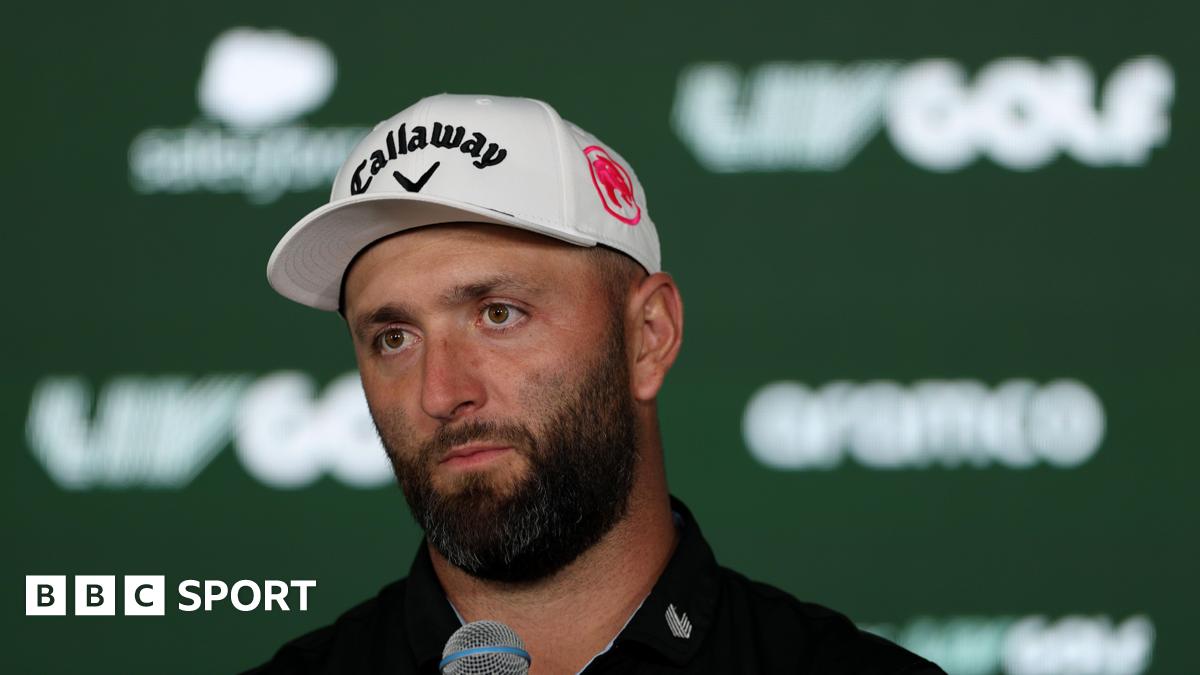
Saudi Arabia's Public Investment Fund is set to stop funding LIV Golf after this season, forcing the breakaway tour to seek new investors and likely scale back its event footprint. LIV has already delayed its New Orleans event and is discussing new board members and a "new strategic plan," while losses have exceeded $1.1bn since 2021 and could run to several billion dollars. The funding shift creates major uncertainty around the tour's 2026 outlook despite management's claim that it will continue as planned.
The key market implication is not that LIV is disappearing overnight, but that the capital structure behind the broader Saudi sports-entertainment platform is being repriced from “strategic subsidy” to “financial discipline.” That shifts bargaining power away from asset creators and toward venues, media partners, and player contracts, because the marginal dollar of funding now has to clear a higher return hurdle. In practice, that usually means lower event density, more asset-light structuring, and a weaker negotiating position for anyone whose economics depended on guaranteed Saudi sponsorship.
The second-order read-through is negative for the entire premium live-events ecosystem, not just golf. If a flagship, prestige-driven sports venture is being forced into restructuring, investors will mark down similar projects with high CAC, weak recurring revenue, and celebrity-dependent economics. The likely spillover is to private-market sports consolidators and venue operators that assumed Gulf capital would remain patient through multi-year losses; those assumptions now look less reliable over a 6-18 month horizon.
There is also a signaling effect for global alternative-asset funding. When a sovereign sponsor tightens from growth-at-any-cost to sustainability, late-stage private assets that were priced off perpetual capital support can compress sharply. The most vulnerable names are those with high fixed overhead and limited monetization outside sponsorship, while the relative winners are established, cash-flow positive live-entertainment operators that can capture displaced inventory and talent without underwriting the whole ecosystem.
The contrarian view is that the market may overstate near-term collapse risk. A retreat in funding does not necessarily imply zero support; it more likely forces a smaller, more selective version of the business that could be economically viable if it resets athlete payments and calendar size. That creates a potential upside squeeze for short sellers if a credible new investor or rights deal appears within 1-2 quarters, but the burden of proof is now on the asset, not the backer.
AI-powered research, real-time alerts, and portfolio analytics for institutional investors.
Request DemoOverall Sentiment
strongly negative
Sentiment Score
-0.65
