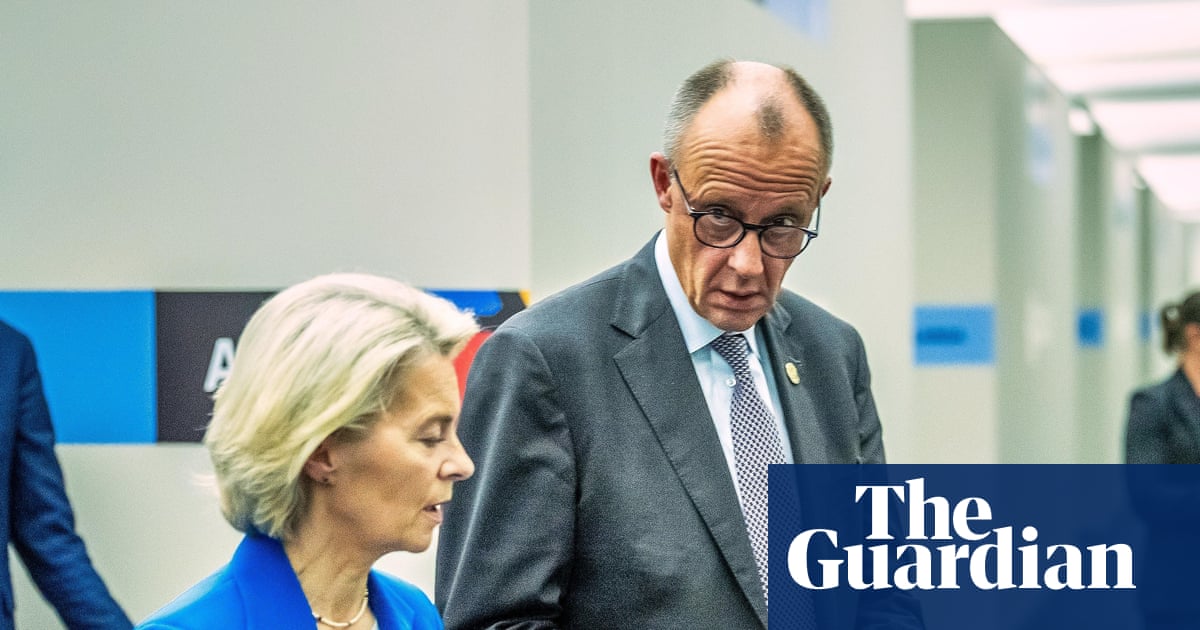
German chancellor Friedrich Merz will hold emergency talks with European Commission president Ursula von der Leyen and Belgian PM Bart De Wever as the EU races to finalize a financing plan for Ukraine ahead of an 18 December summit. Von der Leyen proposed raising about €90bn to cover roughly two‑thirds of Kyiv’s 2026–27 needs either through common EU borrowing or a loan secured by immobilised Russian assets (an estimated €290bn of Russian assets held in the West, with around two‑thirds at Euroclear in Belgium), but Belgium fiercely opposes the frozen‑assets option citing legal and retaliation risks. The impasse threatens timely funding, EU credibility and could have knock‑on effects for sovereign funding markets, defence spending and broader geopolitical risk premia.
Market structure: The immediate winners are European and US defense manufacturers and energy suppliers because a funded, longer Ukrainian resistance implies sustained military procurement and higher European energy security spending; €90bn demand vs. €290bn frozen assets makes a clear financing vector. Losers are Belgian sovereign credit and Belgian financials (Euroclear nexus) and any banks with concentrated exposure to immobilised Russian collateral; political risk will compress EU cohesion and could raise peripheral funding costs by 20–100bps if unanimity fails. Risk assessment: Tail risks include a legal judgement that immobilises Euroclear operations (low-probability, high-impact), a unilateral Belgian veto creating an EU credibility shock before the 18 Dec summit, or Russia’s retaliatory asset claims triggering cross-border litigation and repo market dislocations. Near-term (days–weeks) volatility will be driven by Friday’s dinner and Dec 18 summit wording; medium-term (months) outcomes hinge on whether the EU opts for joint debt issuance vs asset-backed loans. Hidden dependency: Hungary’s veto and national courts could flip outcomes irrespective of Commission proposals. Trade implications: Expect safe-haven demand into German Bunds and USD if the bloc fractures; commodities (Brent, TTF gas) rise on prolonged war probability. Specific plays: overweight defence equities and energy producers, hedge Belgian sovereign/bank exposure with CDS or puts, and use EURUSD puts and Bund futures as macro hedges around Dec 18. Volatility will spike into political dates — use 1–3 month option structures to capture asymmetric moves. Contrarian angles: Markets may underprice the scenario where the EU chooses joint borrowing — that would be EUR-positive and compress peripheral spreads by 50–150bps, benefiting peripheral banks and sovereigns; position sizing should be conditional. Conversely, seizure-risk is probably overblown legally but underpriced politically, so small, concentrated short positions on Belgian bank equity or tail-protection are efficient. Historical parallel: 2014–15 sanctions episodes show multi-quarter rerating for defense and energy but only transient pain for diversified Western financials.
AI-powered research, real-time alerts, and portfolio analytics for institutional investors.
Request DemoOverall Sentiment
moderately negative
Sentiment Score
-0.45
