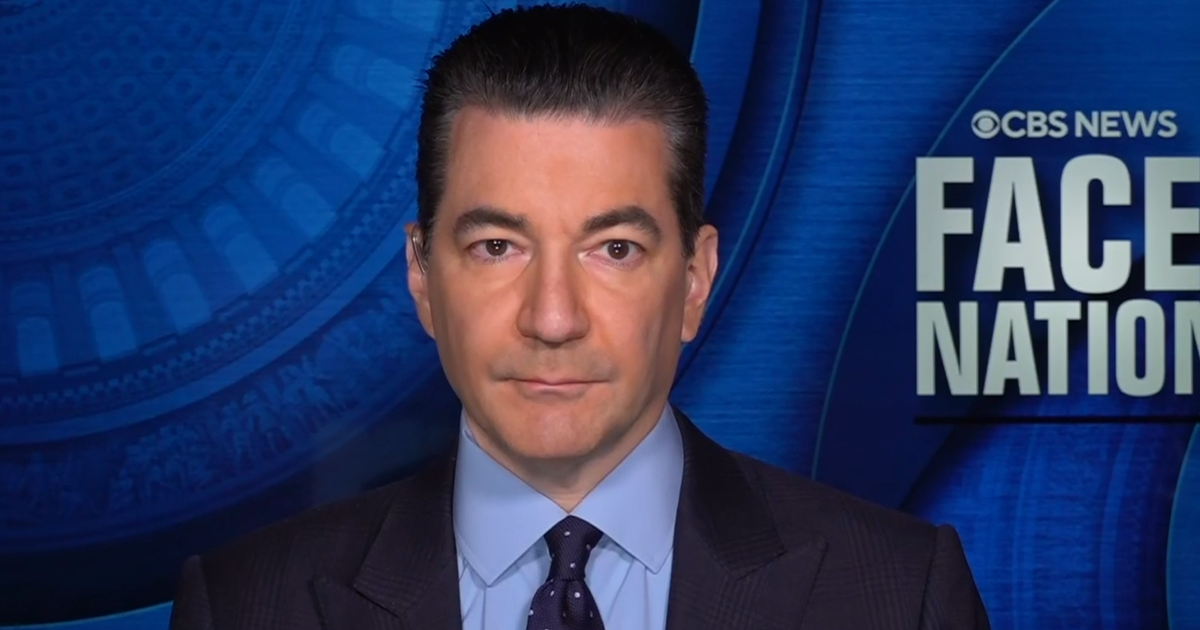
Scott Gottlieb said the hantavirus transmission risk remains low, but warned the outbreak is still being monitored and that it may take about two weeks to know whether additional cases emerge from the cruise ship cluster. He also said ivermectin is not an effective treatment and cautioned against stopping antidepressants based on government comments, noting these drugs are often important and sometimes life-saving. Separately, he described continued upheaval at the FDA, including thousands of reviewer departures and leadership instability, as detrimental to the agency.
The setup is less about the infection itself than the policy channel: once a public-health scare gets framed through the post-COVID trust lens, behavior changes can outrun epidemiology. That creates a near-term dispersion trade between defensive healthcare cash flows and anything exposed to elective utilization, procedure deferrals, or consumer self-triage; the market will likely reward providers/diagnostics with clear “screening/monitoring” demand while punishing names tied to discretionary utilization if headlines intensify over the next 1-2 weeks.
For Pfizer, the direct read-through is modest but non-zero. The bigger issue is narrative contamination: any antivax/med-distrust cycle tends to slow vaccination and encourage self-treatment shopping, which is structurally bad for branded pharma sentiment even if not immediately visible in revenue. More importantly, management/governance risk at the FDA raises the option value of regulatory delay across biotech, with the first-order beneficiaries being large-cap incumbents that can absorb process friction and the first-order losers being smaller innovators dependent on clean review timelines.
The antidepressant comments are a separate but important second-order event: they are more likely to shift prescribing behavior at the margin in primary care than to drive an acute volume collapse. The near-term risk is not broad discontinuation; it is lower new starts and more cautious renewals, which would pressure psychiatry adjuncts, sleep, and CNS adjacencies over several quarters if amplified by social media. The contrarian view is that the market may overestimate the revenue impact but underestimate the reputational drag on FDA/HHS credibility, which can slow adoption across multiple categories without showing up cleanly in quarterly numbers.
Catalyst path: if no additional cases emerge over the next ~2 weeks, the outbreak headline fades quickly, but the FDA governance overhang is slower-moving and could keep a valuation discount on small/mid-cap biotech for months. Conversely, any evidence of asymptomatic or non-close-contact transmission would reprice the whole basket higher in volatility, not necessarily in direction, and would favor long optionality over outright delta exposure.
AI-powered research, real-time alerts, and portfolio analytics for institutional investors.
Request DemoOverall Sentiment
mildly negative
Sentiment Score
-0.15
Ticker Sentiment
