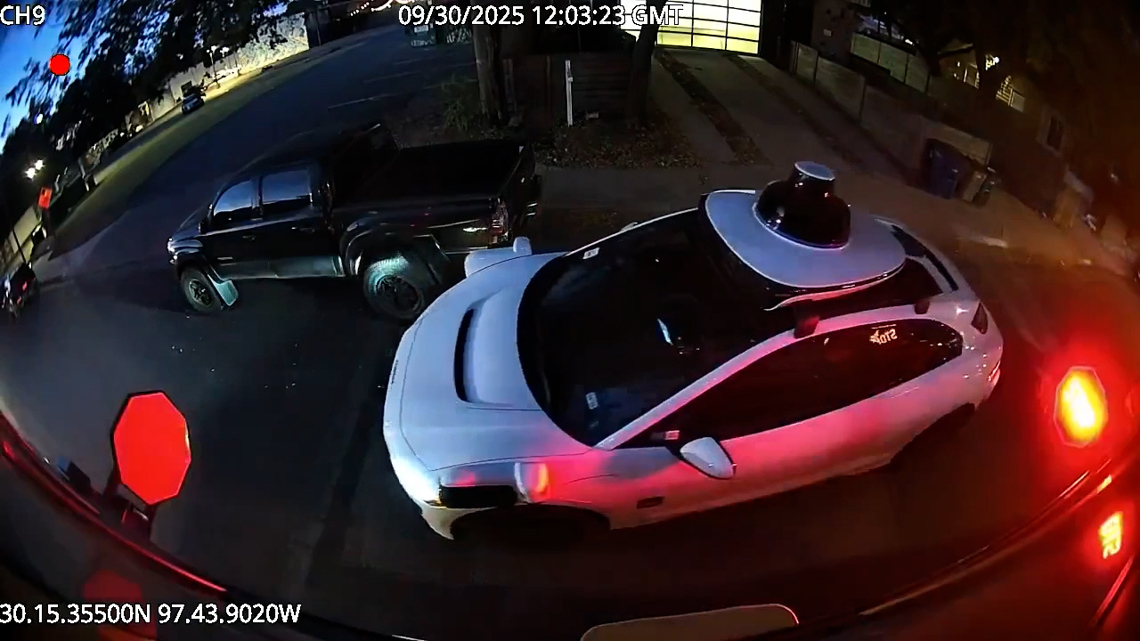
Austin ISD captured Waymo autonomous vehicles illegally passing stopped school buses 19 times since the start of the school year (12 reported by Oct. 29, with seven additional violations after software fixes), and has asked Waymo to work with the district or cease operations on AISD roads. Waymo acknowledged a software issue, said it implemented updates, and AISD has forwarded videos to the NHTSA, raising regulatory and reputational risk for Waymo and other AV operators as municipalities and federal authorities review safety compliance. Operational disruptions, potential regulatory scrutiny, and negative publicity could influence investor sentiment toward AV providers, though the event is unlikely to immediately move broad market prices.
Market structure: Localized AV safety incidents advantage incumbent OEMs and traditional fleet operators (Ford GM) by slowing commercial AV deployments and preserving human-driving demand; AV software pure-plays and reputation-heavy parents (Waymo/Alphabet) face higher compliance costs and potential delays in revenue timelines measured in quarters. Safety hardware vendors (bus cameras, V2X) and municipal enforcement services gain negotiate-able procurement opportunities; expect city-level contracts of $0.1–1M per district over 6–18 months.
Risk assessment: Tail risks include a formal NHTSA investigation or municipal operating bans (low probability, 1–5% over 12 months) that could trigger 10–20% re-rating of small/mid-cap AV equities and raise cost of capital for pilots. Immediate risk (days–weeks): negative headlines and local restrictions; short-term (weeks–months): litigation or software recalls; long-term (quarters–years): pushed-out monetization and higher per-mile rollout costs (+10–30%). Hidden dependencies: insurer reaction, municipal cash constraints, and geopolitically driven sensor supply chains (chips/camera sensors) that could amplify costs.
Trade implications: Tactical relative-value favors selective longs in value-priced OEMs (F, GM) for 3–6 months vs shorts in AV-focused midcaps (Mobileye MBLY) which trade as growth-sensitive; expect a 5–15% divergence if regulatory pressure intensifies. Use option structures to cap risk: 3-month put spreads on MBLY to monetize volatility; buy-limited calls on F/GM into quarterly windows. Rotate 1–3% NAV from high-growth AV beta into defensive autos/municipal-tech contractors until regulatory clarity (30–90 days).
Contrarian angles: The market overestimates systemic AV failure—incidents are operational/software fixable and localized, so beaten-down, well-capitalized parents (GOOGL) may present asymmetric risk/reward if NHTSA action is modest. Look for mispricings in tier-1 suppliers with recurring revenue for regulatory compliance (industrial names, not headline AV brands); unintended consequence: enforcement accelerates spend on retrofitted safety hardware, creating a 12–24 month revenue window for suppliers overlooked by growth investors.
AI-powered research, real-time alerts, and portfolio analytics for institutional investors.
Request DemoOverall Sentiment
mildly negative
Sentiment Score
-0.30
