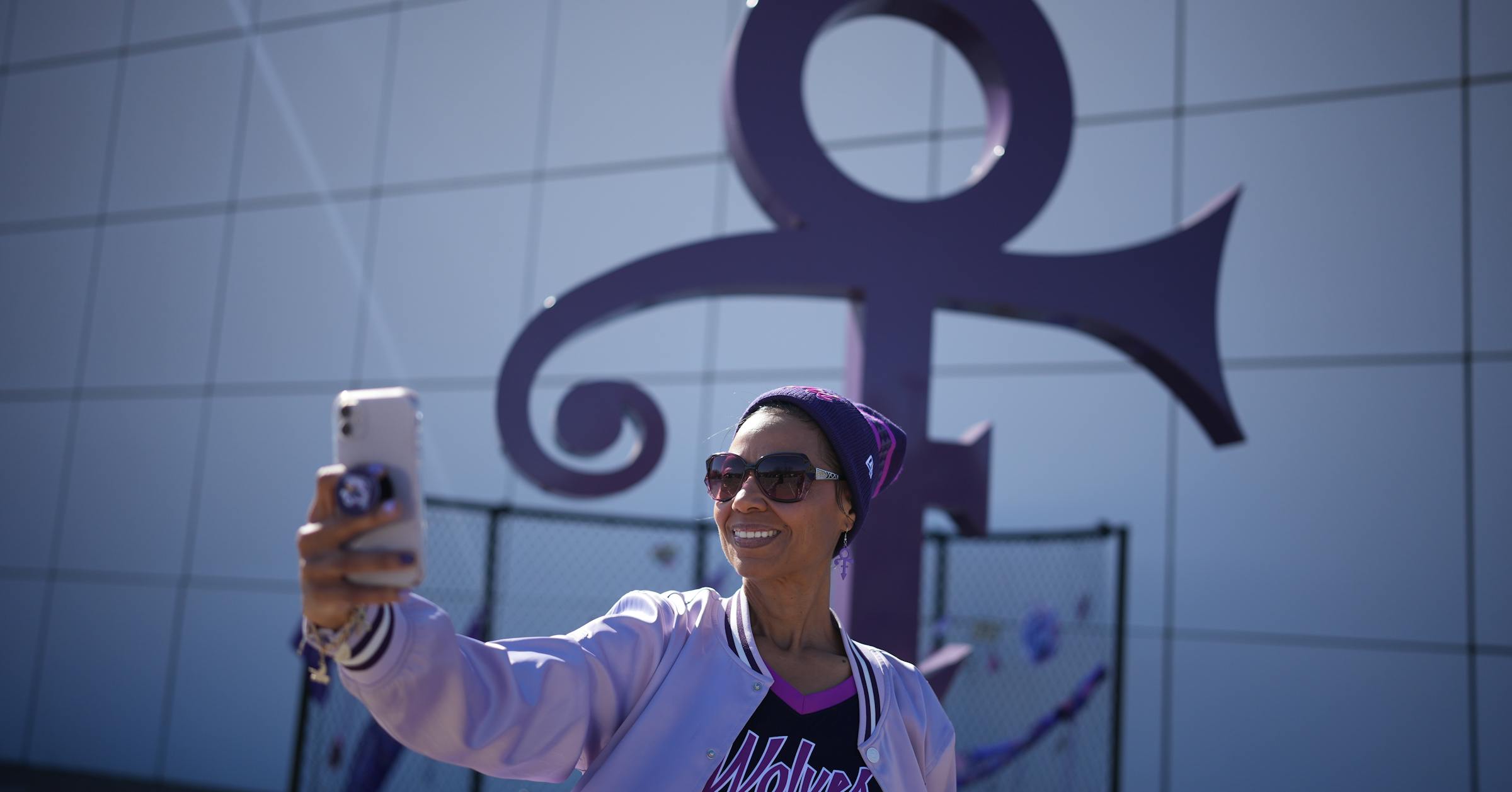
The article marks the 10th anniversary of Prince’s death on April 21, 2016, and focuses on memorials, fan tributes, and reflection on his legacy in Minnesota. It also notes ongoing frustration among some fans over how his estate has managed his vault of unreleased material and footage. This is commemorative coverage with no direct financial or market-moving implications.
This is not a direct earnings or macro catalyst, but it does highlight a durable monetization problem in legacy IP: fandom engagement is high, yet the estate appears to be optimizing for control rather than throughput. That usually means the economic upside migrates away from the rights-holder toward adjacent channels that can package scarcity better — premium media partners, archival production vendors, event organizers, and nostalgia-driven consumer brands. In other words, when a vault becomes a bottleneck, the marketable value often gets extracted by the intermediaries who can turn dormant assets into repeatedly monetizable formats.
The second-order effect is that the longer an estate under-releases material, the more likely pent-up demand gets converted into a single large monetization event rather than a steady annuity. That creates a lumpy revenue profile and increases execution risk: if the next release cycle disappoints, the downside is not just missed dollars but reputational fatigue that can suppress future demand for years. Conversely, a well-packaged anniversary release, documentary, or licensing deal can create a short-lived but meaningful uplift because nostalgia demand is less price-sensitive than new-content demand.
From a trade perspective, the cleaner angle is not the estate itself but the broader beneficiaries of IP monetization and archival content demand. Companies with distribution, curation, or event monetization capabilities can capture value even when the underlying rights holder is slow-moving. The contrarian miss here is that “nothing happening” is not neutral — in IP, scarcity can be bullish for future pricing power, but only if the holder eventually decides to transact. Until then, the trade is patience, not conviction.
The risk is that this remains a purely cultural story with no near-term cash flow impact. But if the estate is sitting on underutilized content, any credible partnership announcement over the next 3–12 months could reset expectations and re-rate adjacent media assets that specialize in legacy catalogs and documentaries. Absent that, the opportunity is mainly in buying optionality around IP-driven content cycles rather than taking outright fundamental exposure to the estate itself.
AI-powered research, real-time alerts, and portfolio analytics for institutional investors.
Request TrialOverall Sentiment
neutral
Sentiment Score
0.00
