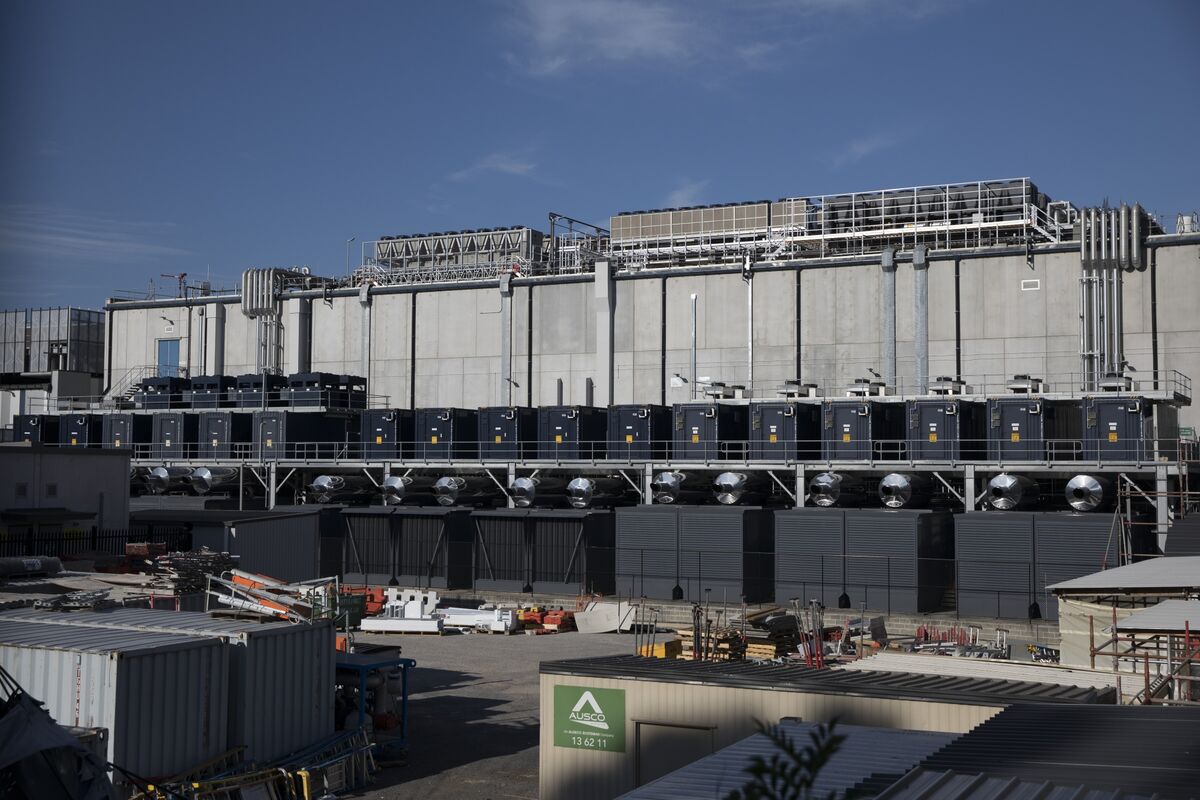
AirTrunk is acquiring Lumina CloudInfra to expand in India, gaining access to about 600 megawatts of planned capacity and up to $5 billion of development potential. The deal adds development pipeline, contracts, relationships, and operating capabilities, strengthening AirTrunk’s regional growth platform. Financial terms were not disclosed, so the immediate financial impact is limited, but the strategic expansion is positive for the data center sector.
This is less a headline about one asset changing hands than a signal that hyperscale-capable capacity in India is becoming a scarce strategic commodity. The key second-order effect is that the real monetization may occur upstream: land aggregation, power procurement, and interconnect queue positioning should get re-rated faster than the operating asset itself, because control of a late-stage pipeline is what shortens time-to-revenue in a market where supply bottlenecks are the moat.
For Blackstone, the value creation path is likely to be financial engineering plus platform multiple expansion, not just asset-level IRR. A successful India buildout could make the platform more financeable on contract visibility and reduce project risk premia, which matters in private markets where even a modest de-risking can expand valuation by several turns of EBITDA. The beneficiaries extend to local EPCs, grid/power equipment, and fiber-backbone providers; the losers are smaller regional operators who lack the balance sheet to pre-empt power and site inventory.
The main risk is execution slippage on power availability and permitting, which is a months-to-years issue rather than a days-to-weeks trade. If India’s demand growth moderates or financing costs stay elevated, the implied development optionality can compress quickly because the market pays up for pipelines only when conversion into commissioned MW looks believable. A useful contrarian read is that this may be as much about buying scarcity before competition intensifies as it is about near-term earnings accretion; if so, the strategic value is real but the immediate public-market impact on BX may be modest and already partly discounted.
AI-powered research, real-time alerts, and portfolio analytics for institutional investors.
Overall Sentiment
mildly positive
Sentiment Score
0.45
Ticker Sentiment
