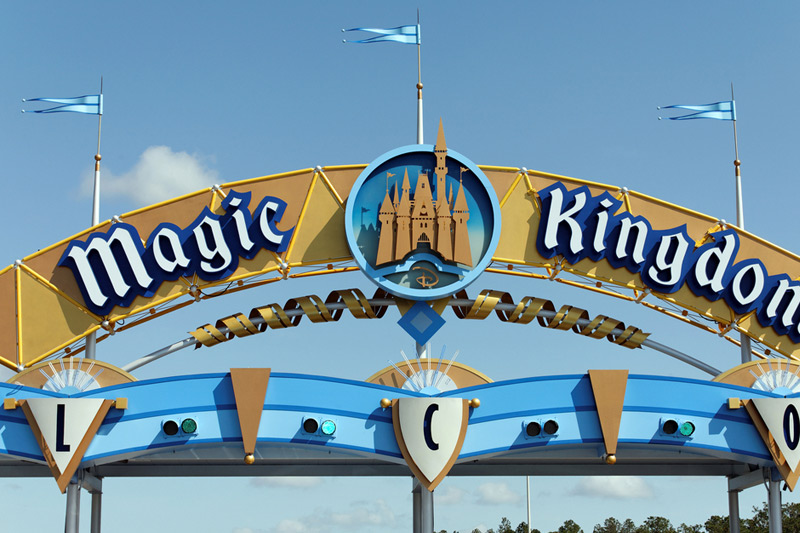
Disney’s fiscal 2026 outlook is mixed but constructive: Q1 results were broadly in line, while FY26 EPS is expected at $6.61-$6.64 and FY27 at $7.42-$7.48, implying double-digit EPS growth. Near-term headwinds include lighter Q2 guidance, a projected $100 million Sports segment decline, and more than $2 billion of free cash flow pressure from parks attendance weakness and cruise pre-opening costs. Offset against that are rising streaming profitability, price increases, an OpenAI licensing/investment deal, and bullish analyst targets of $135-$140 versus a 16.6x P/E and 0.58 PEG.
The near-term setup is less about Disney’s headline earnings power and more about who captures the “in-between” period of reduced visibility. The combination of softer guidance, park cash flow pressure, and fewer operating disclosures creates a valuation ceiling even if the core business is improving, because the market will not pay up for a story it cannot verify. That makes this a second-order short on multiple expansion: the business can improve while the stock still underperforms if investors keep discounting the cadence of recovery.
The clearest winner from the distribution friction is not Disney but alternative access layers that can monetize frustrated sports viewers. GOOGL’s YouTube TV takes the immediate hit from a prolonged blackout, while FUBO can see incremental sign-ups and lower churn if the dispute lasts into the next sports-heavy window. The bigger read-through is that Disney’s leverage is strongest when it can route consumers directly into ESPN Unlimited; every distributor fight is effectively a customer acquisition event for Disney’s owned platforms.
The contrarian point is that parks may already be close to a margin reset rather than a secular decay. If pricing elasticity is peaking, then the next leg is not more price hikes but capacity/product mix and international normalization; that favors a slower, more durable recovery than bears expect. On the other hand, the AI deal is more defensive than immediately accretive: the real option is cost reduction and IP control, but the market will need evidence that AI changes economics before assigning a multiple re-rate.
Catalyst timing matters. Over the next 1-2 quarters, the stock is vulnerable to any miss on DTC profitability or further deterioration in attendance, but over 6-18 months the setup improves if streaming margins expand and cruise capacity ramps cleanly. The highest-risk outcome is that Disney gets stuck in a transition narrative where each segment is ‘almost there’ yet none provides enough surprise to break the visibility discount.
AI-powered research, real-time alerts, and portfolio analytics for institutional investors.
Request DemoOverall Sentiment
mildly positive
Sentiment Score
0.15
Ticker Sentiment
